
Individual Care · Depression Support
Gentle, structured support to move from heaviness and stuckness toward clarity, energy, and hope—at your pace.
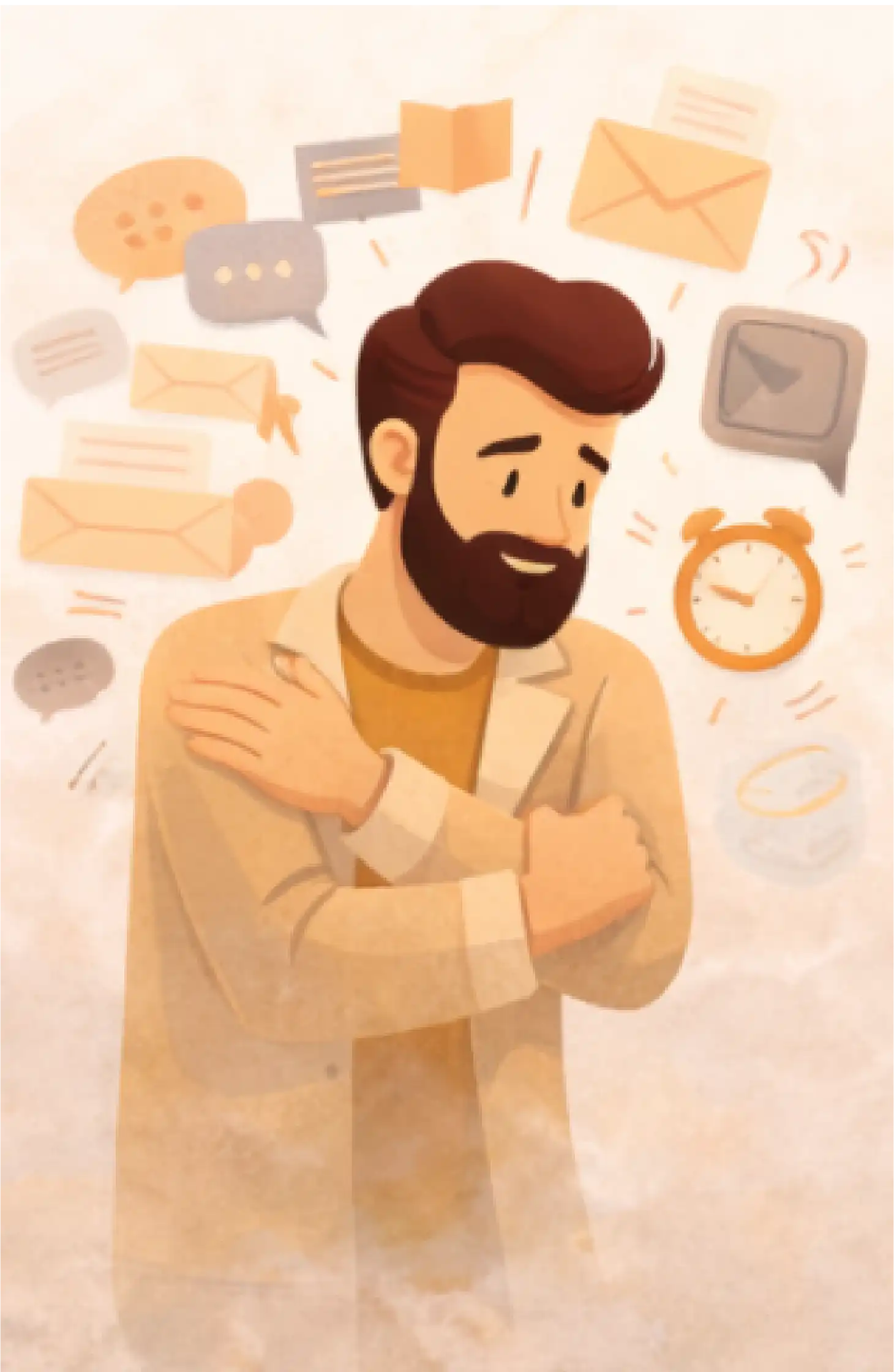
Mood Check-In
Understand how often low mood, fatigue, and withdrawal are affecting your day.
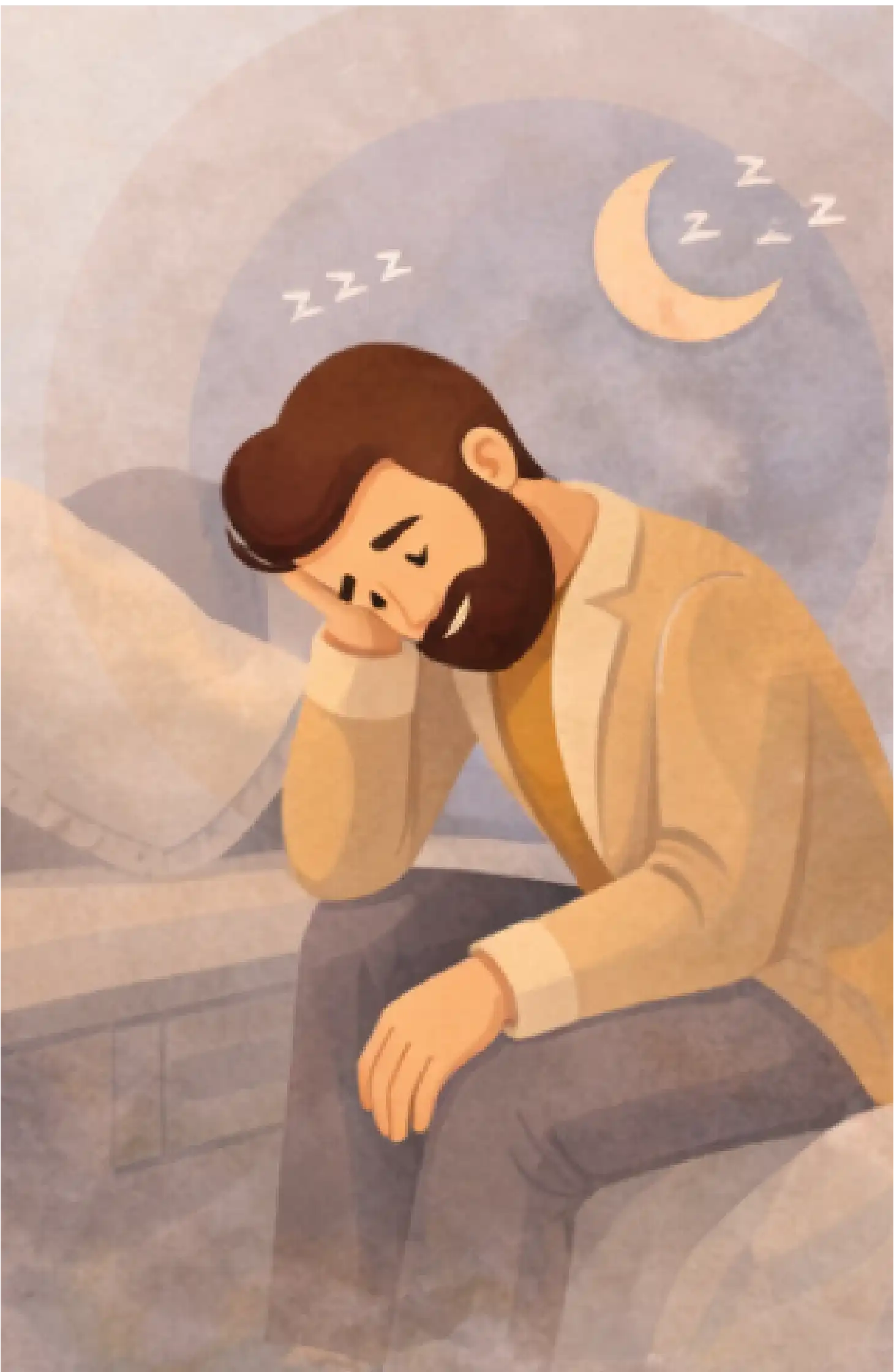
Thought Pattern Map
Identify thought loops, self-criticism, and stressors that keep you feeling stuck.
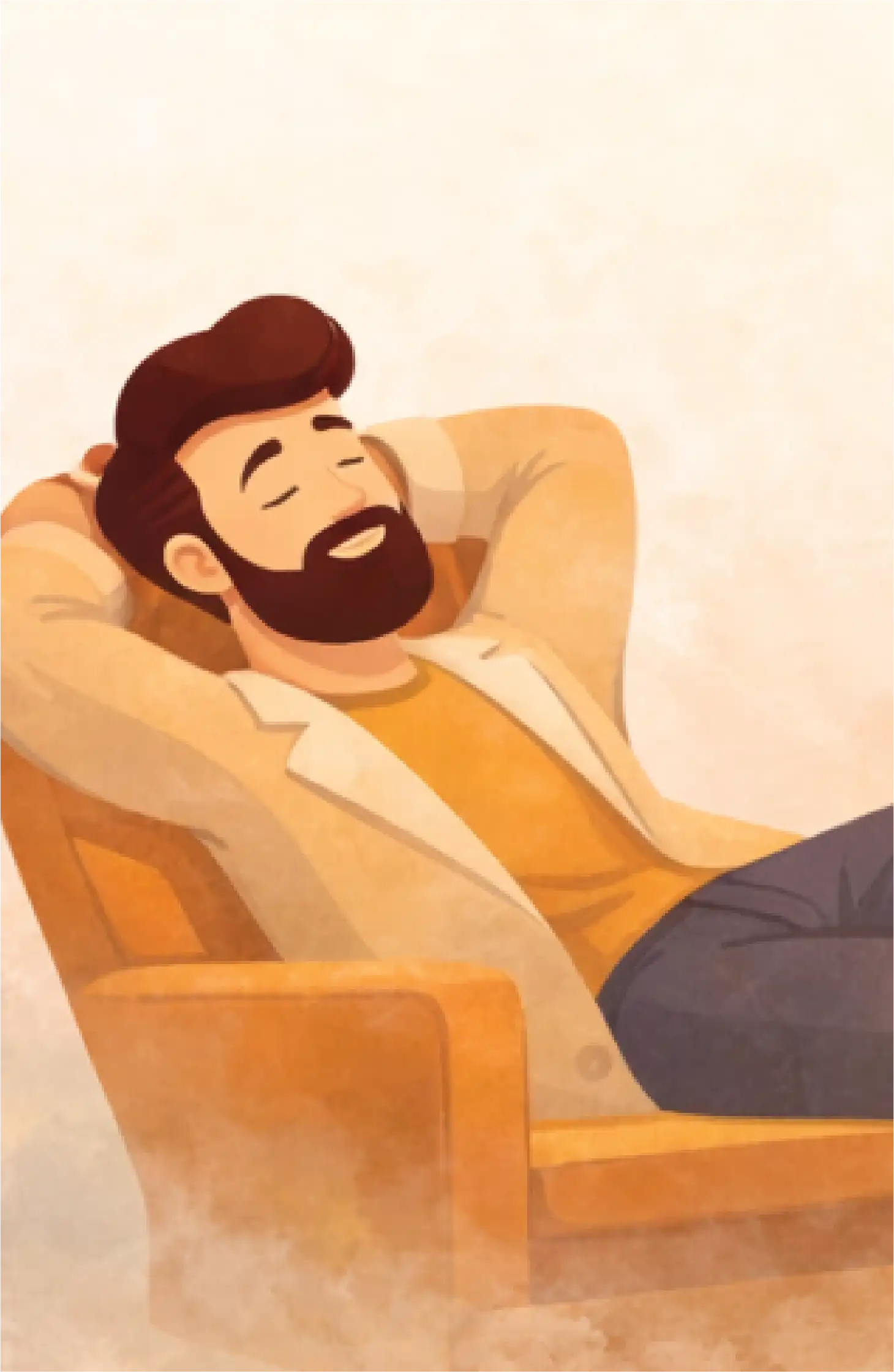
Recovery Routine Plan
Build a realistic routine with tiny actions for mood, sleep, and energy—not forced positivity.


Evidence Snapshot
These are population-level insights for awareness—not a diagnosis. They simply show why early, structured support matters.
Depression is widespread
Help is often delayed
Sleep and energy are hit
Work and studies suffer
Relationships feel distant
Structured care helps
Built for Students. Working Adults. Parents.
Depression care here is not about forcing you to “think positive”. It’s about understanding your story, reducing the weight you carry, and building tiny, realistic changes that actually fit your life.




Self-check
Persistent low mood
Sleep and energy changes
Loss of interest
Overthinking & self-blame
Pulling away from people
Hard to get things done
What You Get
From assessment and safety to routines and relapse planning—you get a complete, stepwise system instead of random sessions.
Structured assessment
Personalised care map
Session plan
Sleep & energy routine
Safety & support steps
Relapse & flare-up plan
Your Progress Roadmap
Recovery is not a straight line. This roadmap keeps the steps small, clear, and trackable—so progress is visible even when motivation is low.
Screen
Start with a guided mood and functioning assessment.
Map
Clarify triggers, stressors, supports, and protective factors.
Stabilise
Introduce tiny routines for sleep, energy, and basic self-care.
Build
Work on thought patterns, behaviour change, and relationships.
Maintain
Track relapse signals and use the flare-up plan when needed.
Quick Stats
Most people first notice subtle changes—slightly better sleep, more neutral days, fewer breakdowns. This program is built for realistic progress, not overnight transformation.
80%
Mood Stability
Goal: fewer intense lows over time
70%
Energy & Functioning
Goal: better daily functioning and routine

Free mood screening
Personalised plan
Weekly tracking
Worksheets pack
Optional counselling
Confidential support

Start free
No forced positivity
Science-informed
Realistic pace
Measurable progress
Relapse-aware design
Human guidance
Ask Mr. Psyc
The program can support a range of severity, but it is not an emergency or crisis service. If there is any risk of self-harm or thoughts of ending life, urgent local medical and helpline support are always the first priority. This program can sit alongside medical care, not replace it.
No. Treatment decisions about medication are always made with a qualified psychiatrist or doctor. This program focuses on assessment, routines, coping skills, and emotional support. If medication is likely to help, you’ll be guided to appropriate medical care—not pressured.
Everyone is different, but many people first notice small shifts within 3–4 weeks—slightly better sleep, less intense lows, or improved routine. Deeper recovery usually takes longer, and the program is built to support that longer journey.
Relapse and flare-ups are common in depression. That’s why the program includes a relapse and flare-up plan—so you know early warning signs and the exact steps to follow instead of feeling like you’re “back to zero”.
Yes. Your information is handled with confidentiality and consent-first care. If any additional support (for example, family or medical professionals) is recommended, it is always discussed with you first.
Trusted by users
Most people don’t want dramatic change—they want fewer heavy days, more neutral days, and moments of genuine relief. That is what this program is designed for.

The heaviness didn’t vanish overnight, but I finally had a structure. Within a month, my “worst days” reduced, and I could show up to work again.

Neha S.
I felt understood, not judged. The small routine changes and thought work felt practical, not overwhelming.
Arjun K.
I used to think “I should handle this alone”. Having a plan and someone to check in with made it easier to breathe and move forward.
Meera J.
The relapse steps helped the most. When I dipped again, I knew exactly what to do instead of panicking.
Rahul T.