Pink City, Jaipur.
97999 13530
Community Awareness Drive

Bring mental health into everyday community conversations.

Talks, circles, and campaigns that make mental health understandable, practical, and stigma-free for your community.

Plan a Community Event
Awareness Talk Design

A focused mental health awareness talk shaped around your community’s age groups and concerns.

Interactive Circles
Interactive Circles

Story circles, scenarios, and Q&A that let people speak, relate, and feel heard—without pressure.
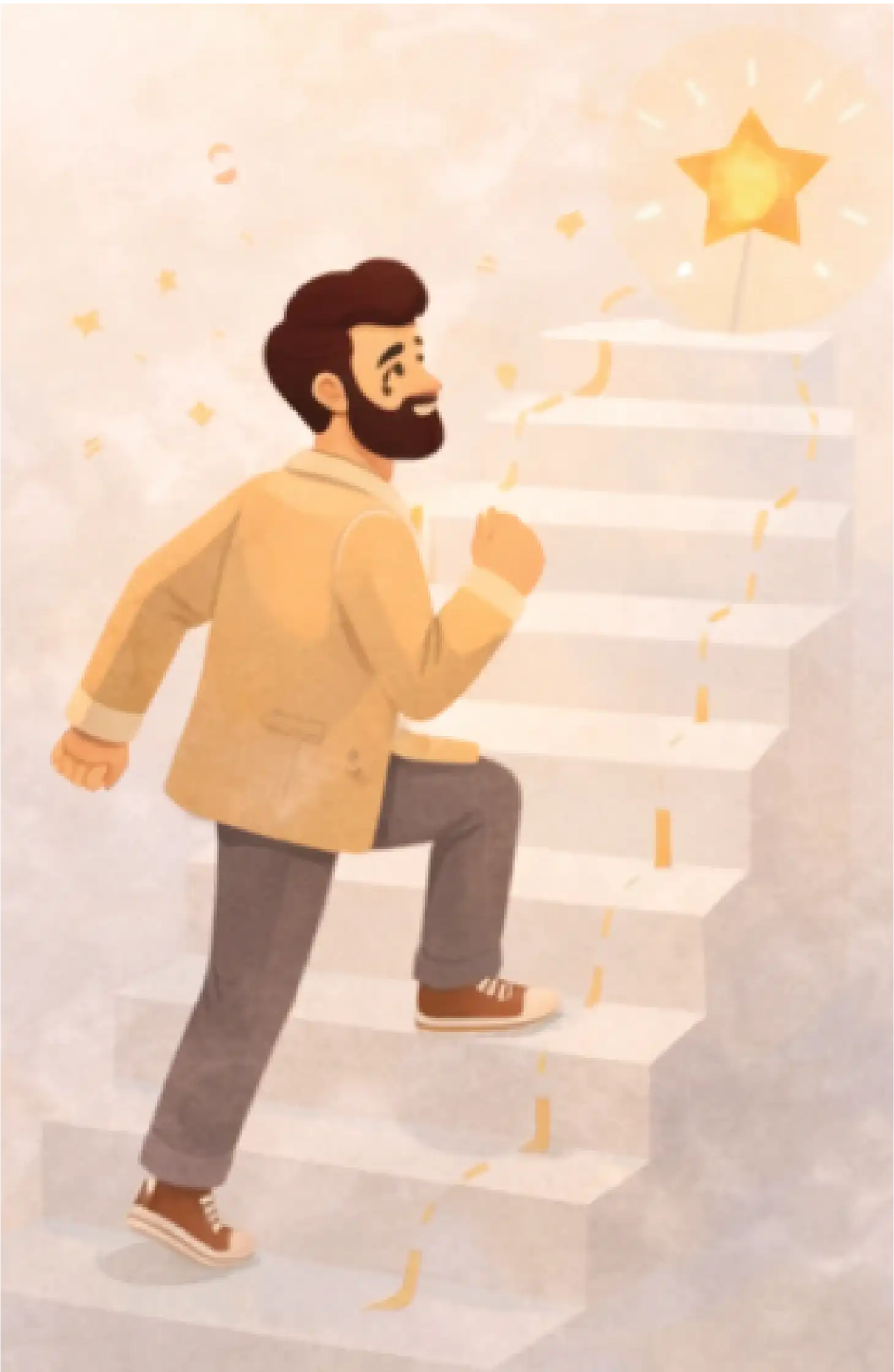
Help-Seeking Pathways

Clear guidance on when to worry, what to do next, and how to reach Mr. Psyc or local support safely.


Particle element
Particle element
Why community awareness matters

When the community talks, people seek help earlier

These data points show why mental health must leave only clinics and enter streets, campuses, offices, and societies.

👥
Most people first open up at home
Many people first talk about stress, anxiety, or low mood with family, neighbours, or colleagues—not professionals. — Source: help-seeking behaviour studies
Delays between distress and help
Across conditions, people often wait months or years between first noticing distress and seeking formal support. — Source: global mental health treatment-gap research
🙊
Stigma silences early signs
Fear of being judged or “labelled” remains one of the biggest reasons people hide symptoms or minimise them. — Source: stigma and discrimination reports
🏘️
Community spaces are gateways
Schools, workplaces, and residential communities are key entry points where struggles are seen long before a clinic visit. — Source: community-based mental health programs
🧭
People want clear next steps
Most people say they would consider help if they knew what is normal, when to worry, and where to go. — Source: mental-health literacy surveys
🤝
Safe conversations change outcomes
Evidence shows that safe conversations plus clear pathways significantly increase early help-seeking and reduce crisis episodes. — Source: community awareness intervention reviews

Built for Students. Professionals. Parents.

Mr. Psyc Community Awareness Drive is designed for societies, colleges, workplaces, clubs, and local groups that want to talk about mental health clearly, safely, and practically.

Explore drive format Discuss your community
Community Reality Check

Do these patterns sound familiar where you live or work?

😶
Jokes, not real talk
People joke about “tension” or “mental” issues, but no one really knows how to talk when someone is actually struggling.
🧾
Everything stays private… and heavy
You hear stories of panic, sleep loss, or burnout only after a crisis—never when it was building quietly.
📱
Scrolling replaces support
People cope by scrolling or overworking, but rarely feel they can say “I need help” in the community.
🚪
No clear doorway to help
People do not know when to meet a counsellor, when to talk to a doctor, or how to support someone nearby.
🧩
Many small signs, no shared language
Irritability, withdrawal, over-smiling, “always strong” people—everyone notices, but no one knows how to name it gently.
🕊️
Good intent, no structure
Leaders want to “do something” for mental health but lack structured content, tools, and a calm expert to anchor the space.
What Your Community Gets

A complete community awareness toolkit

Not just a one-time talk, but a structured flow: discovery, design, live delivery, and clear next steps for anyone who relates.

Download sample agenda
Pre-event discovery call
A structured call to understand your community, age groups, and any sensitive situations to hold carefully.
Custom awareness talk
A 45–90 minute talk with stories, scenarios, and simple language to explain stress, anxiety, mood, and when to worry.
Interactive exercises
Reflection prompts, myth-vs-fact cards, and group activities that turn listening into real insight.
Visual aids & handouts
Simple posters, one-page guides, and reminder cards you can re-use after the drive.
Anonymous questions channel
A safe way for people to ask questions they cannot raise openly during the event.
Help-seeking pathways
Clear options to reach Mr. Psyc, local professionals, crisis lines, and self-care tools after the session.

Your Community Roadmap

A simple path from silence to safe conversations

Most community initiatives fail because they stop at one speech. This roadmap uses design, repetition, and clear next steps so mental health stays on the community’s map—not as a one-day event but as an ongoing culture.

Screen

Complete a quick assessment to map your screen use pattern.

Map

Identify your triggers, peak times, and the emotion behind scrolling.

Reset

Use a dopamine reset routine to reduce cravings without deleting everything.

Build

Create boundaries, replacements, and a sleep-safe night routine.

Maintain

Track weekly progress and use the relapse plan to stay consistent.

Quick Community Snapshot

Small shifts, big culture change.

When a community hears the same language, understands signs, and knows what to do, support becomes normal—not dramatic. This drive is designed to be realistic, repeatable, and sensitive to your context.

80%
Community engagement

Goal: more people relating & reflecting

70%
Help-seeking confidence

Goal: people know where to turn next

View plans & pricing
1
Single-event or series
Choose a one-time flagship event or a short series to deepen awareness over weeks.
2
Age-group friendly content
Language and examples that match your audience: teens, parents, employees, or mixed groups.
3
Hybrid delivery options
On-ground, online, or blended formats depending on your community’s comfort.
4
Culturally sensitive examples
Stories and scenarios that respect local language, culture, and family dynamics.
5
Follow-up suggestions
Practical ideas to keep the conversation alive after the event is over.
6
Confidential escalation path
A clear, private way for individuals to reach Mr. Psyc or other professionals if they need deeper support.
Start with a call

Plans that respect your context.

Start with a planning call, then choose the format that matches your community’s needs and budget. All formats can be adapted for schools, societies, offices, or clubs.
Community Discovery Session

0/planning call

For organisers & leaders

Pre-event discovery call (online)
Initial community needs overview sheet
Format and audience recommendations
Outline agenda for 1 flagship session
Suggested communication message for invites
Community Awareness Drive

6500/event (example)

Best for societies, schools & offices

60–90 minute community awareness session (online or on-ground)
Customised content for your audience and setting
Interactive exercises & Q&A segment
Branded visual aids & take-home guides
Anonymous question channel for 7 days post-event
Summary note for organisers with next-step suggestions
Scales to different group sizes
Works for 20 people in a hall or 200 people in a society gathering with the same core structure.
Reusable assets
Posters, prompts, and guides can be reused in newsletters, WhatsApp groups, and future events.
Context-sensitive delivery
Stories and language are tuned to your city, organisation culture, and audience comfort.
Clear ROI for wellbeing
Shifts how your community talks about stress, burnout, and emotional health—without huge infrastructure.
Aligned to Mr. Psyc ecosystem
Makes it easier to connect your people to other Mr. Psyc screenings, sessions, or programs.
Human, not heavy
Grounded, compassionate delivery that keeps people engaged without overwhelming them.

Ask Mr. Psyc

Not sure if your community needs a full drive, a simple talk, or a screening first? Tell me about your people, and I’ll help you choose the right next step—calmly and privately.

Community Awareness FAQs (Clear Answers)

No. This is an awareness-first space. We use simple language, relatable examples, and clear signposts—not diagnostic labels or complicated jargon.

No. Digital stress can be one part, but the focus is broader: stress, anxiety, low mood, burnout, and how to support people early in real life.

The space is held with care. There is a protocol to gently contain, support, and, if needed, move into a more private channel without dramatising the moment.

Yes. We can design mixed-group sessions (for example, parents + teens, or residents + staff) with careful framing, or separate tracks if that is safer.

Yes. Personal stories are never shared outside the space without explicit consent. Any follow-up is handled confidentially and respectfully.

Trusted by communities

Real shifts, not just one more event

Most people do not need another poster. They need a space that feels human, language they can use, and a clear path if they—or someone they love—needs help.
View community stories

People finally spoke about stress and sleep openly. It felt safe, not awkward. The handouts are still on our notice board.

Society Secretary
Residential RWA, Jaipur

This was not just “be positive” talk. Our team got language to check-in with each other and a clear path if someone needs more help.

HR Manager
Growth-stage company, Gurgaon

Students related to the stories immediately. The anonymous Q&A box was full—and that told us how needed this was.

College Club Lead
Mumbai, India

The drive gave us a structure to repeat in different bastis and groups, without losing depth or sensitivity.

Community Volunteer

NGO partner, Delhi NCR

Ready to host a Community Awareness Drive?

Start with a short call. We’ll map your community, suggest the right format, and design a drive that feels calm, clear, and genuinely helpful.
Open chat
Hello 👋
Can we help you?