
The Question Nobody Asks (But Everyone Should)
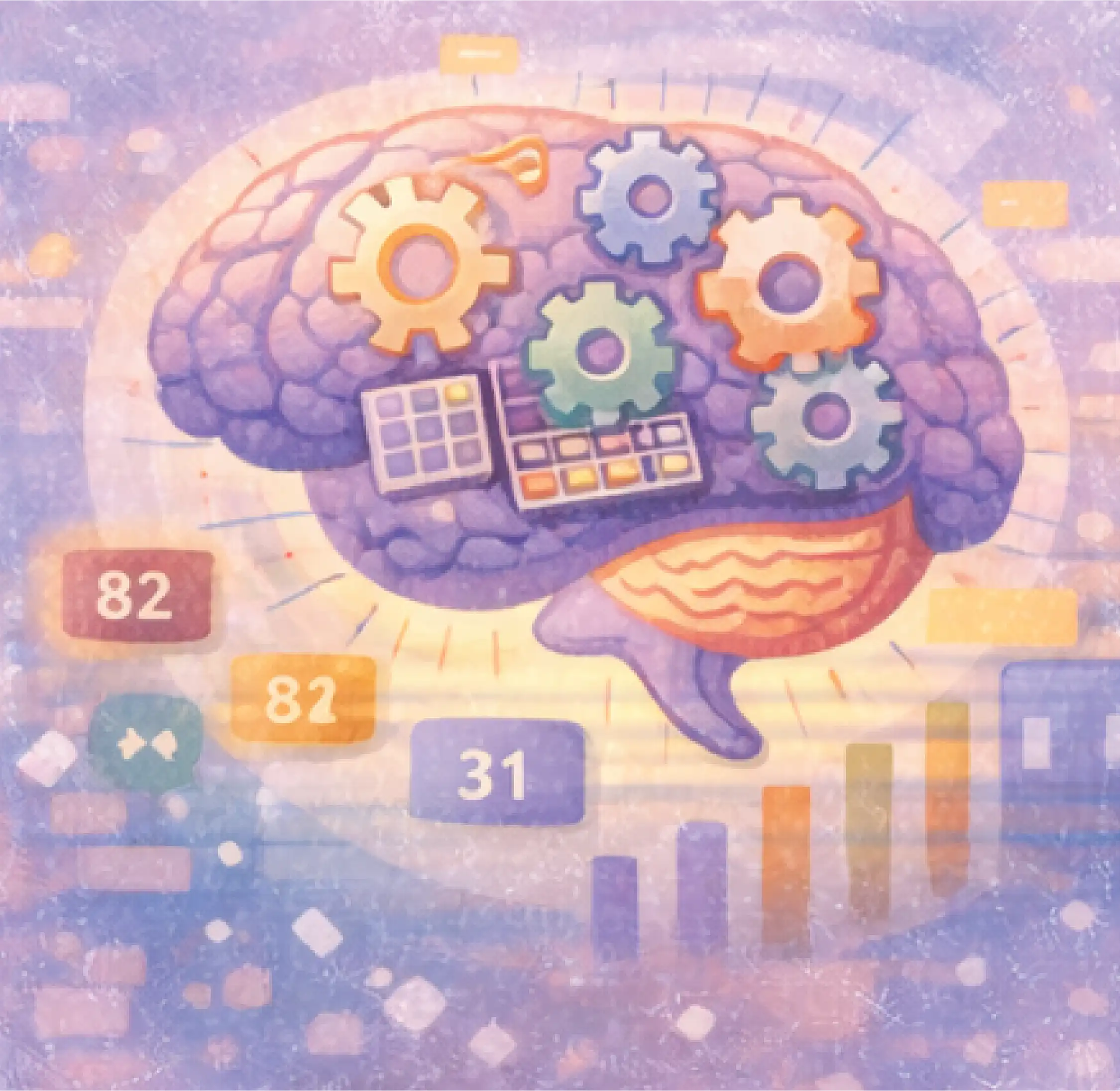
If I asked you when you last had a blood test, you’d probably be able to recall it. Maybe it was last month. Maybe six months ago. We’re conditioned to believe that checking what’s happening inside our body is normal, responsible, and part of being an adult. Yet, ask someone when they last checked their mental health, and the reaction usually resembles someone being asked about an alien spaceship sighting—confused, surprised, amused, or slightly uncomfortable. It’s strange when you think about it. We test our organs, hormones, and minerals routinely, but the very engine powering everything—our mind—gets no preventive check at all. We wait for emotional distress to explode before giving it attention. By then, it’s not prevention anymore; it’s repair. And repairing the mind is always harder than supporting it early.Why the Mind Needs a Checkup Just as Much as the Body
The brain doesn’t shut down one morning and announce, “Hello, your mental health is failing today.” It works quietly, managing pressure, emotions, memories, responsibilities, and expectations until one day it becomes too much. And by the time people realise their emotional system is overloaded, something has already broken—motivation, relationships, confidence, sleep, or stability. The reality is simple: Mental health rarely declines overnight. It happens silently, slowly, subtly. A little irritability today. A little exhaustion tomorrow. A little withdrawal next week. A little emotional numbness later. Individually, these signs look harmless. Together, they show a mind that’s struggling. Mental health screening helps detect these patterns early—long before they start affecting your life.What Mental Health Screening Actually Is (And What It Isn’t)
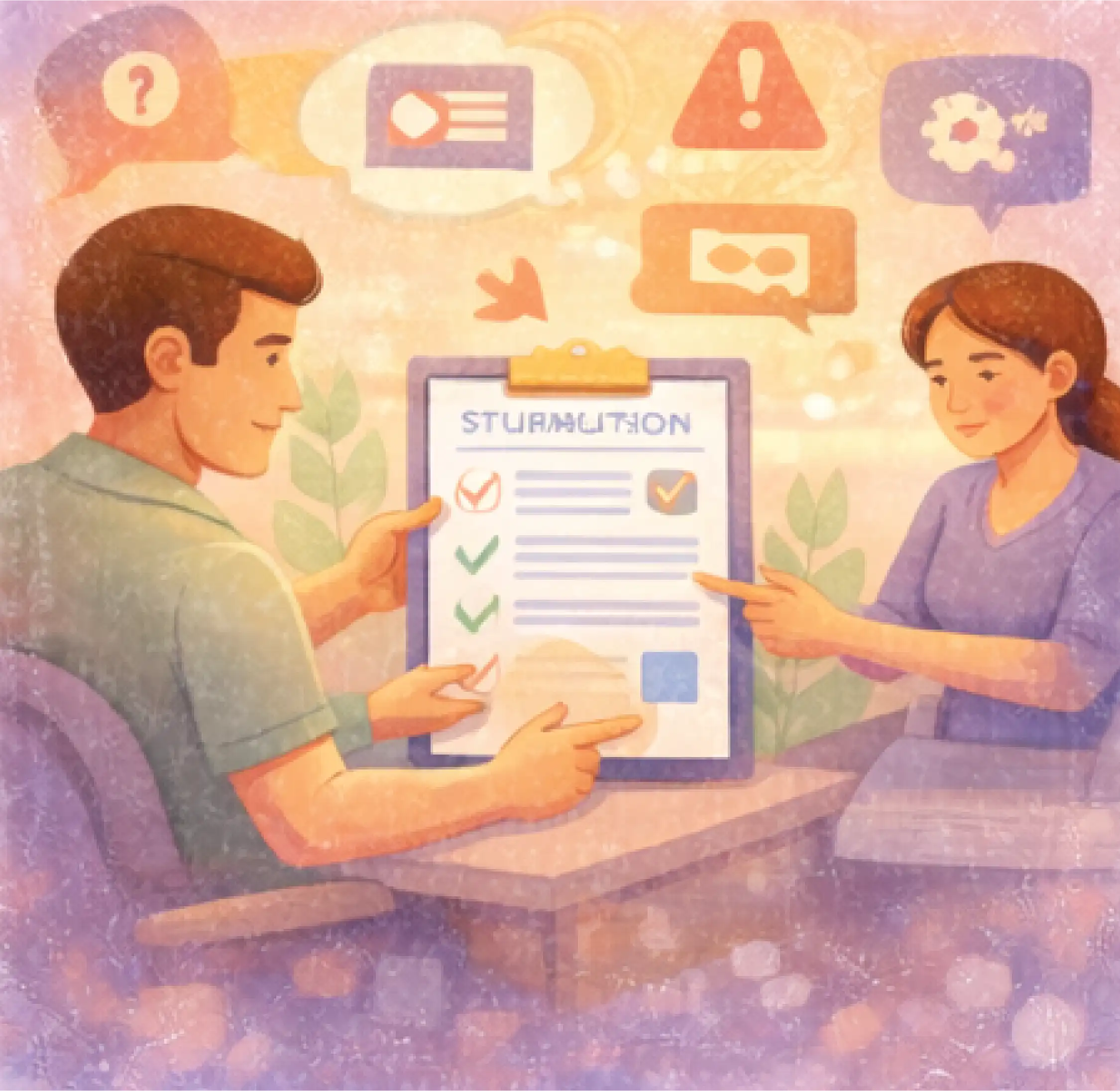
People often imagine screening means an intense therapy session or a personality judgement. It’s neither. Mental health screening is simply a scientific emotional checkup—usually a short set of well-designed questions based on validated psychological models. These tools examine how your thoughts, feelings, behaviours, coping styles, stress responses, and emotional patterns are functioning. And just like a blood test offers insight into your body, screening offers insight into your emotional system. It detects overloads, imbalances, early-risk markers, and stress patterns that the human mind often hides or normalises. What it is NOT:- It’s not labelling.
- It’s not diagnosing you.
- It’s not telling you something is “wrong.”
- A clarity tool
- A prevention tool
- A self-awareness tool
- A scientific reflection of your emotional health
Why Most People Don’t Realise They Need It
Here’s the interesting part: the mind is incredibly good at hiding its own struggles. The psychological term for this is insight blindness—when you can’t recognise your own decline. It’s similar to gaining weight slowly; you don’t notice until someone shows you a picture. Most people believe they’re “fine” even when signs are obvious:- Feeling emotionally drained
- Losing interest in things they once enjoyed
- Becoming easily irritated
- Struggling to focus
- Feeling mentally heavy
- Avoiding conversations
- Sleeping but not resting
- Feeling lonely around people
- Experiencing random bursts of anxiety
- Overthinking every small thing
How Psychometric Tools Read the Mind (Without Being Scary)
Every mental health screening tool is the result of years of research, clinical studies, and behavioural science. Unlike random “Internet quizzes,” psychometric assessments measure very specific indicators based on how humans respond emotionally and cognitively. These indicators include:- Thought distortions
- Emotional patterns
- Coping mechanisms
- Stress tolerance
- Behavioural tendencies
- Attention fatigue
- Relationship patterns
- Overexposure to digital devices
- Early burnout markers
The Modern World Makes Screening Essential
This generation is under a different kind of pressure—fast-paced, comparison-driven, digitally overloaded, emotionally demanding, and relentlessly stimulating. The amount of information our mind processes in a week is often more than what earlier generations handled in six months. Add to that:- Notifications
- Deadlines
- Expectations
- Academic pressure
- Work stress
- Family demands
- Relationship complexities
- Social media comparison
- Digital addiction
- Fear of judgement