
The Secret Engine Behind Those Mysterious Numbers
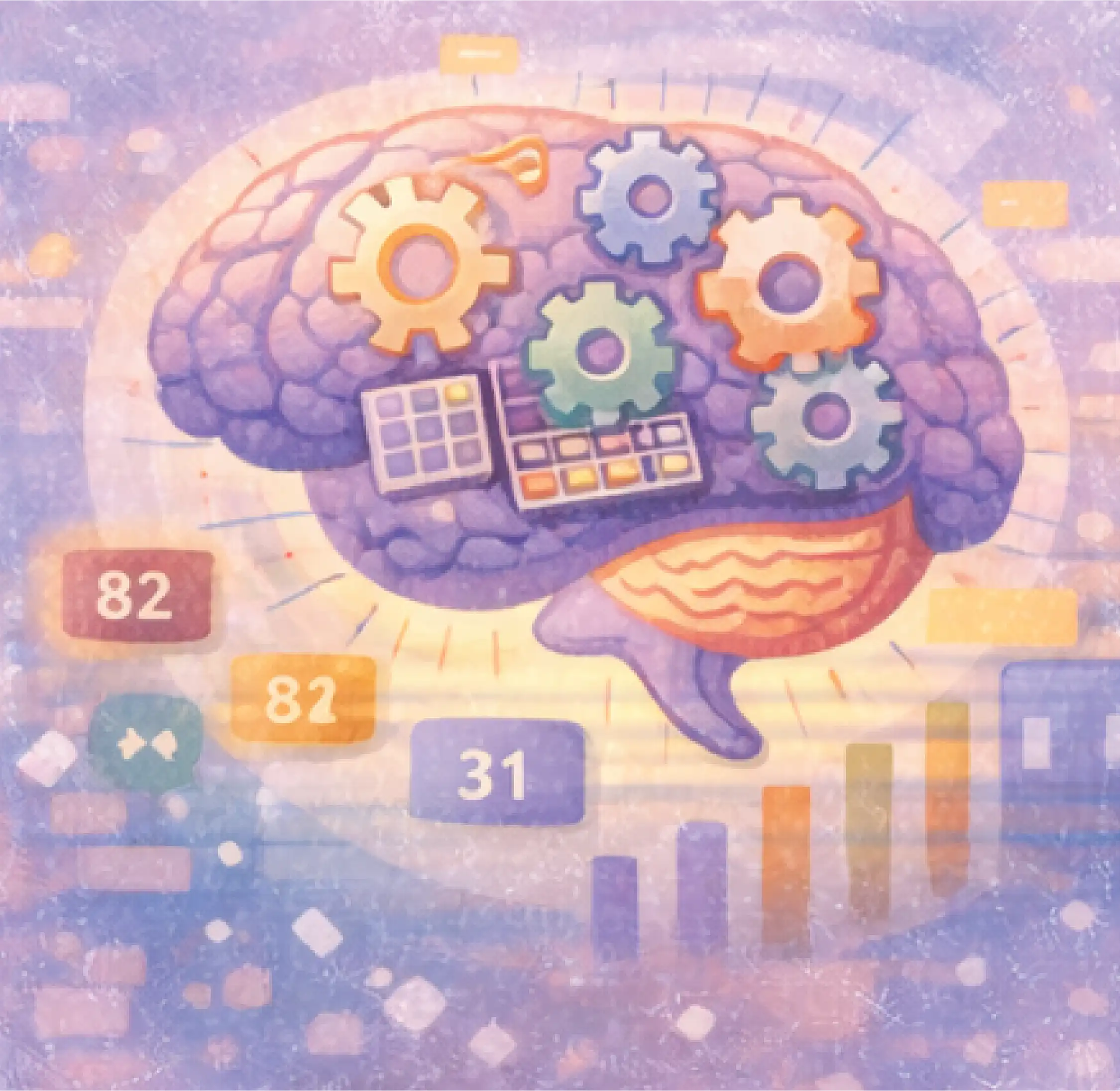
We all know the feeling of finishing a mental-health screening and instantly wondering, “How on earth did this tool understand so much about me?” You answer a few questions—honestly, casually, sometimes reluctantly—and suddenly the system reveals patterns you didn’t even articulate to yourself. It tells you that your emotional energy is low, your cognitive load is high, your stress tolerance is thinning, or your burnout markers are rising. At that moment, the natural curiosity kicks in: What exactly happens behind the scenes? How does a psychometric tool convert 10–15 questions into a meaningful, precise emotional picture? Welcome to the inside of the machine—the part most people never get to see. This is the ‘brain’ of a psychometric tool, where psychology meets mathematics, and human behaviour becomes measurable.Psychometrics: The Science of Making Emotions Measurable
Psychometrics is the field that turns psychological patterns into quantifiable data. It answers a deeply powerful question: How can you measure something you can’t touch? You can’t see stress, but you can measure how it affects behaviour. You can’t hold anxiety, but you can quantify its intensity. You can’t weigh emotional fatigue, but you can track its footprint in your thought cycles. Psychometric tools rely on decades of global research to identify which specific responses indicate:- heightened anxiety
- low emotional energy
- depressive tendencies
- cognitive overload
- digital overstimulation
- burnout patterns
- avoidance behaviour
- poor coping styles
- negative thought loops
The Anatomy of a Psychometric Question (It’s Not Random at All)
Every question in a screening tool belongs to an emotional “domain.” Think of these domains as categories that represent different areas of psychological functioning. Some of the common domains include:- Mood stability
- Thought patterns
- Stress reactivity
- Motivation level
- Digital habits
- Anxiety markers
- Depressive indicators
- Resilience strength
- Behavioural consistency
- Cognitive flexibility
- heightened worry
- physical agitation
- jumpy emotional responses
- difficulty calming down
- detachment
- low emotional expression
- disinterest
- internal withdrawal
How Scoring Models Actually Work
Here’s where it gets fascinating. A psychometric tool doesn’t simply tally your answers. It weights them. Meaning: not all responses have equal impact.1. Every answer has a score range
For a 5-option question (e.g., “Never” to “Always”), each option corresponds to a numerical value.2. Each question has a “domain weight”
Certain behaviours carry more diagnostic significance. For example, “loss of interest” is a stronger depression indicator than “feeling tired.”3. Scores are normalised
This helps compare your score with global or national averages.4. Cross-domain analysis identifies patterns
Sometimes one domain affects another. Example: digital fatigue can mimic attention issues.5. The final score is more than a number—it’s a pattern summary
It reflects:- emotional fatigue
- resilience level
- coping strength
- risk category
- behavioural tendencies
- early-warning signals
Why These Scores Feel Uncannily Accurate
Psychometric scoring models are based on three powerful principles:Principle 1: People are more consistent than they think.
Even when we answer questions casually, our underlying patterns show through.Principle 2: Behaviour leaves a signature.
Anxiety, burnout, depression, overwhelm—they each have distinct psychological footprints.Principle 3: Emotions influence cognition in predictable ways.
When a tool sees these predictable changes, it knows what’s happening internally. So what appears to be 15 simple questions is actually a behavioural extraction algorithm identifying:- how your brain reacts
- how your body responds
- how your emotions behave
- how your thoughts move
- how your habits impact your mood
Why You Can’t Manipulate Your Scores (Even If You Try)
Everyone has tried to “look normal” on a screening at least once. The truth is, psychometric tools are not that easily fooled. Here’s why:- They check for consistency across domains
- Contradictory answers are detected by the system
- Subtle variations reveal emotional fluctuations
- Weighting exposes exaggerated or suppressed responses
- The scoring system compares your pattern—not your intentions
How Psychometric Scores Become Real-World Insights
After your responses are calculated, the tool generates scores across different emotional domains. These domain scores help identify:- Your emotional strengths
- Your vulnerabilities
- Patterns that are becoming risky
- Patterns that need support
- Which professional level you need (beginner/intermediate/senior counsellor/psychiatrist)
- Which behavioural routines may help
- Which lifestyle habits impact your mood
- You don’t go to a psychiatrist when you only need counselling
- You don’t go to counselling when you only need lifestyle strengthening
- You don’t self-treat when emotional risk is high
- You get personalised, non-generic guidance
A Simple Example to Show How This Works
Let’s say a user scores:- High on “emotional fatigue”
- Moderate on “mood stability”
- Low on “resilience”
- High on “digital overstimulation”
- Moderate on “cognitive load”
Why This Matters: Because Your Mind Deserves Accuracy
We measure our body with precision—blood tests, scans, ECG, X-rays. But when it comes to emotions, we rely on:- assumptions
- moods
- temporary feelings
- internet articles
- guesswork