
The Biggest Misunderstanding About Therapy
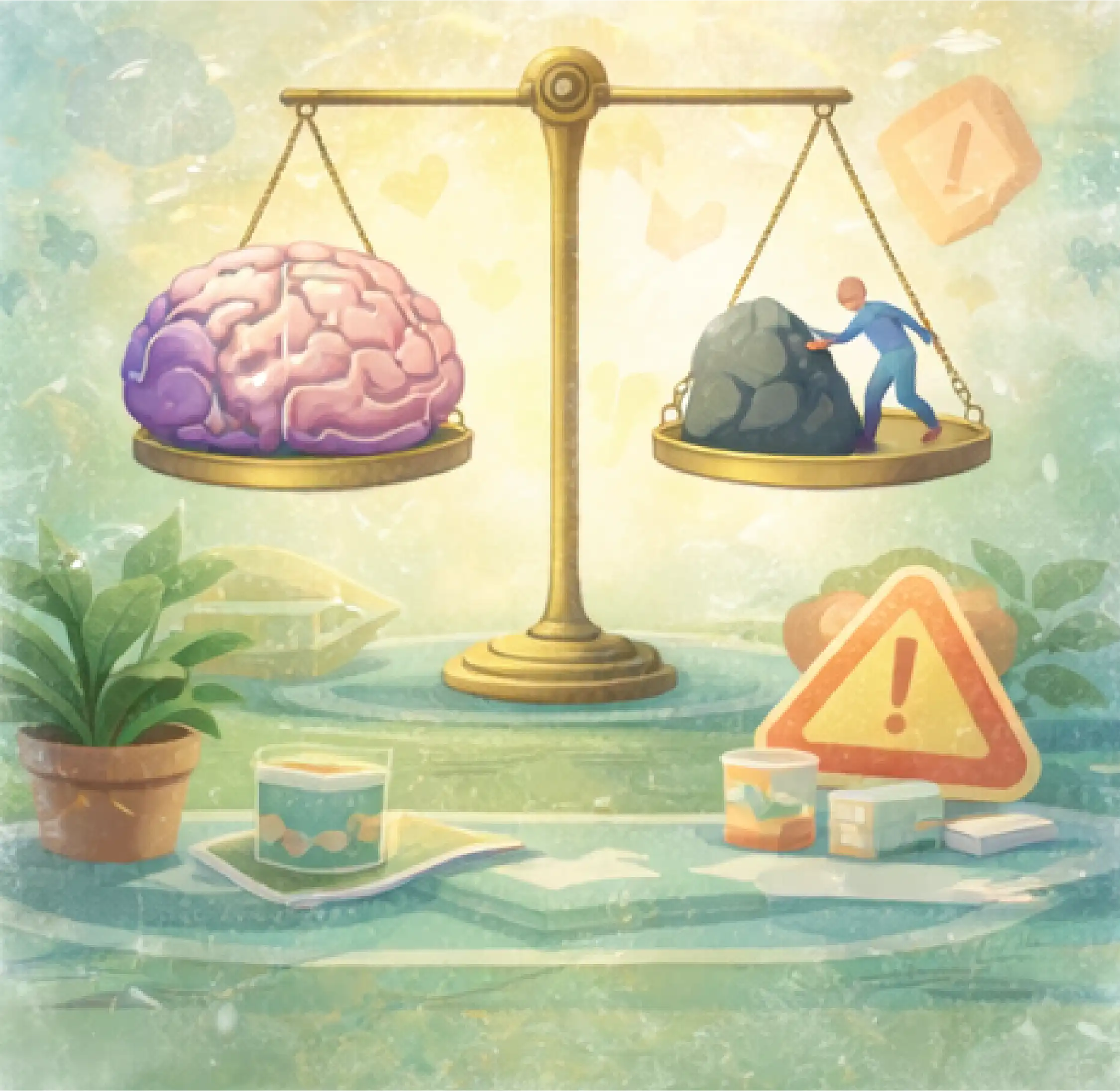
Somewhere along the way, people started believing that counselling is just “talking to someone about your problems.” As if expressing feelings magically solves them. As if emotional pain evaporates just because it’s spoken out loud. As if clarity automatically turns into change. But here is the uncomfortable truth counsellors wish more people knew: Talking is the beginning of healing. But it is never the whole process. Talking gives relief. Talking gives understanding. Talking gives awareness. Talking gives emotional ventilation. But it does not automatically give behaviour change. Talking about stress does not automatically improve coping. Talking about anger does not automatically improve emotional regulation. Talking about trauma does not automatically rewrite emotional responses. Talking about anxiety does not automatically quiet the mind. This is why counsellors don’t just “listen.” They guide. They structure. They intervene. They reframe. They challenge patterns. And most importantly—they build behaviour change through psychology, not conversation alone.Why Talking Feels Good — But Doesn’t Change Behaviour
Human beings are emotional creatures. When we feel heard, validated, and understood, our emotional system relaxes. That moment of emotional relief can feel transformative. But relief is temporary. Real behaviour change requires deeper psychological rewiring. Talking helps you:- release emotional pressure
- feel less alone
- gain clarity
- express things you have suppressed
- understand the origins of your feelings
- new habits
- new neurological pathways
- new coping skills
- new interpretations of stress
- new emotional responses
- new patterns that replace old patterns
The Brain’s Blueprint: Why Behaviour Is So Hard to Change
Your behaviour is not random. It is the result of:- years of conditioning
- neural circuits shaped by past experiences
- emotional triggers stored in memory
- default coping habits
- repeated environmental reinforcement
- core beliefs developed during childhood
- protective mechanisms created by your brain
- overthinking
- emotional outbursts
- procrastination
- avoidance
- addiction
- people-pleasing
- negative self-talk
- digital dependency
- burnout patterns
What Behaviour Change Actually Requires (Scientifically Speaking)
There are three pillars of real behaviour change, and every counsellor uses them, consciously or unconsciously:1. Awareness — Knowing the Pattern Exists
Talking and reflection help identify:- triggers
- emotional responses
- repeated thoughts
- unconscious habits
- internal conflicts
2. Reframing — Changing the Meaning You Attach to Experiences
This is where counselling becomes powerful. Reframing turns:- “I failed” → “I learned.”
- “People don’t like me” → “My brain is assuming danger.”
- “I’m not capable” → “I’m under-skilled but not incapable.”
3. Action — Behavioural Practice That Rewires the Brain
This is the real work:- emotional regulation techniques
- breathing practices
- journaling routines
- exposure therapy
- cognitive restructuring
- boundary-setting
- digital detox routines
- habit loops
- thought-stopping techniques
- grounding strategies
Why You Can Talk About a Problem for Years Without Changing It
People often say:- “I know I should stop overthinking, but I can’t.”
- “I understand why I get angry, but it still happens.”
- “I know I shouldn’t go back to that pattern, but I do.”
- repetition
- reinforcement
- alternative behaviours
- structured coping mechanisms
- emotional regulation
- consistent adjustments
The Counsellor’s Real Job: Guiding You Through the Change Loop
A professional counsellor doesn’t just help you talk. They help you change. Here’s how:They identify your psychological blocks
Every behaviour has a function. Avoidance? Protection. Overthinking? Control seeking. Anger? Emotional overload. People-pleasing? Fear of rejection. Counsellors decode these functions.They give you practical strategies
Not generic advice—targeted techniques to match your emotional system.They challenge your distortions
You begin questioning your thinking patterns instead of believing them blindly.They monitor your progress
Behaviour change isn’t linear. Counsellors help you track—and adjust—your journey.They build emotional muscles
Calmness, resilience, clarity, boundary-setting, assertion—these are skills. Counselling is emotional gym training.The Hidden Psychology Behind Every Breakthrough Moment
Ever noticed how sometimes a single line from a counsellor feels like a life-changing revelation? It’s not magic. It’s psychology. Counsellors understand where your emotional logic is getting stuck. They find the knot. And they loosen it with the right question, at the right moment, in the right way. This is why after a good counselling session people often say:- “Now it makes sense.”
- “I never thought of it this way.”
- “This changes everything.”