
The Truth Most People Don’t Know About Healing
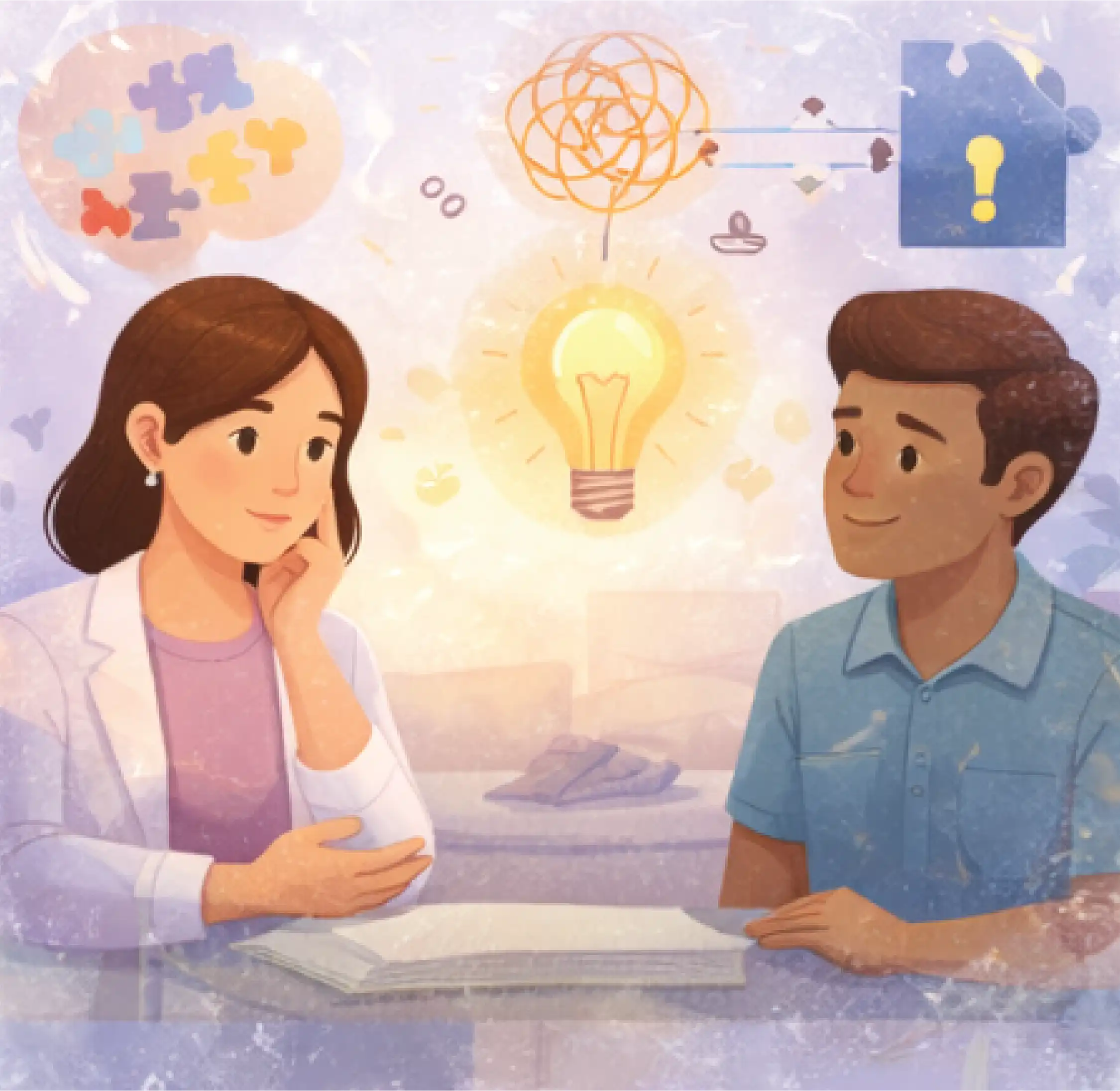
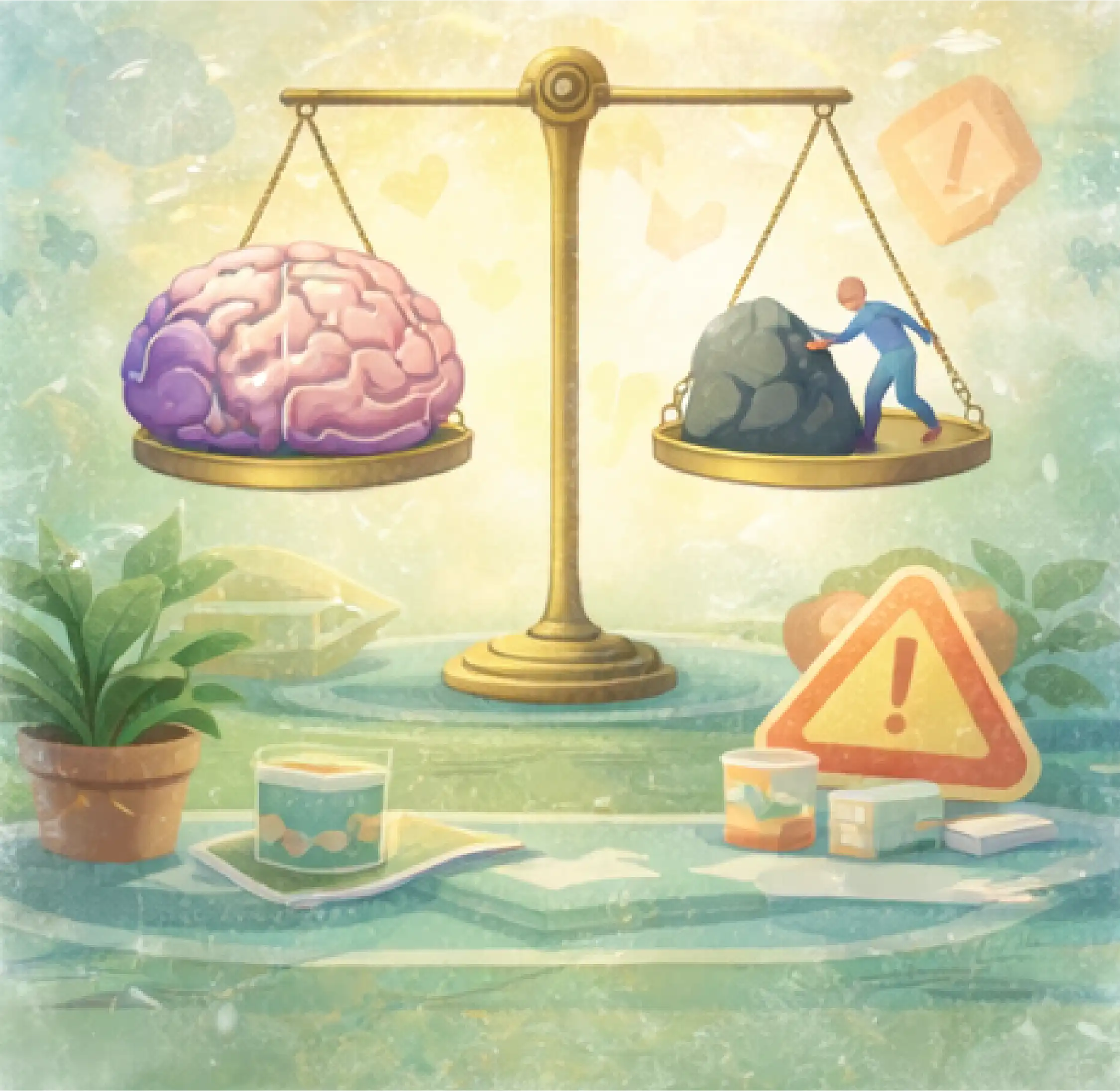
Most people expect emotional healing to feel like a straight path—understand the problem, talk about it, and slowly feel better day by day. But anyone who has actually been through a recovery journey knows that healing is far from linear. Some days you feel strong and clear-minded, and the very next day you feel as if you’ve taken ten steps backward. One moment you feel emotionally lighter, and two hours later, something small cracks you unexpectedly. This confusion leads many people to assume something is wrong with them or that therapy isn’t working. But psychological research says the opposite: emotional recovery is a structured, multi-layered process with predictable stages. You are not inconsistent. You are healing exactly the way the human mind is designed to heal. Understanding these stages removes fear, guilt, self-blame, and impatience. It gives you emotional permission to heal like a human being, not like a machine.Why Healing Has Stages (And Why You Can’t Skip Them)
Your emotional system stores experiences, memories, beliefs, fears, and survival strategies. Healing rewires these internal circuits. This rewiring requires time, repetition, insight, emotional processing, and behavioural practice. That is why the healing journey unfolds in layers—not instantly. Think of it like recovering from a physical injury. You don’t stand up and sprint the next day. You first rest, then slowly regain movement, then rebuild strength, then return to full function. Emotional recovery follows the same biological logic. You’re not delaying your healing. You’re going through the exact human process evolution designed.Stage 1: Awareness — The Moment the Truth Finds Light
Healing begins the moment you become aware of your emotional patterns. For some people, this happens during a crisis. For others, it appears as an uncomfortable but honest realisation: “This is not sustainable anymore.” Research shows that self-awareness activates the brain’s prefrontal cortex—the part responsible for reasoning and reflection. When the prefrontal cortex wakes up to your emotional condition, you begin seeing yourself more clearly. This stage is painful but essential. Awareness is the emotional equivalent of turning on the lights in a dark room. Suddenly you can see the mess you need to clean. Without this awareness, healing cannot start, because you cannot change what you cannot see.Stage 2: Exploration — Understanding Where the Pain Comes From
Once awareness is activated, the next stage involves exploring the roots of your emotions. Counsellors guide you through questions, reflections, timelines, hidden links, childhood patterns, relationship influences, and belief systems you may not have consciously recognised. Psychological studies show that emotional distress often hides behind deeper issues—unresolved grief, unmet needs, emotional neglect, chronic stress, suppressed fear, past rejection, or identity confusion. Exploration helps you understand not only what you feel, but why you feel it. This transforms random suffering into meaningful insight.Stage 3: Release — Letting Emotions Out of the Body
Most people believe healing happens in the mind. But research in somatic psychology shows that healing actually happens in the body. Emotions stored for years create tension in the chest, heaviness in the stomach, knots in the throat, tightness in the shoulders, or numbness in the limbs. When counselling creates emotional safety, the body begins to release this stored tension. This is the stage where people cry unexpectedly, shake slightly, feel warm, breathe deeply, or suddenly feel lighter. It’s not weakness—it’s biology. Your nervous system is loosening emotional pressure that your body has held for too long. This release phase is crucial because it clears emotional congestion and prepares the mind for deeper restructuring.Stage 4: Reframing — Changing the Meaning Attached to Your Experiences
Once emotional pressure is released, your cognitive system becomes more flexible. This is where reframing begins. Research shows that the brain rewires itself when you reinterpret your experiences from a healthier perspective. This stage is the foundation of therapies like CBT, ACT, and narrative therapy. Reframing is powerful. It turns “I’m broken” into “I’m healing.” It turns “I failed” into “I grew.” It turns “Nobody likes me” into “My brain is protecting me from rejection.” It turns “I always mess up” into “My behaviour was shaped by fear, not ability.” This stage builds emotional maturity, self-compassion, and internal strength. You stop suffering from your past and start learning from it.Stage 5: Integration — Building New Emotional Pathways
Insight gives clarity, but integration creates change. This stage is where counsellors help you practice new behaviours, new emotional responses, new boundaries, and new thinking patterns. Research shows that repeated practice of new emotional habits reshapes neural pathways through neuroplasticity. This is the stage where you learn:- how to regulate emotions
- how to pause before reacting
- how to set boundaries without fear
- how to communicate with clarity
- how to stop self-sabotage
- how to manage anxiety in real time
- how to respond using logic instead of survival mode
Stage 6: Growth — When You Start Feeling Like a Stronger Version of Yourself
Growth is the stage where emotional resilience increases naturally. Your triggers reduce. Your emotional reactions stabilise. Your thinking becomes clearer. Your behaviour aligns with your values. You start making decisions based on strength, not fear. You trust yourself more. You understand yourself deeper. You don’t tolerate patterns that once controlled you. This stage is often subtle. You don’t wake up and announce, “I am healed.” Instead, you simply realise that:- situations that once overwhelmed you now feel manageable
- people who drained you no longer have power over you
- triggers that previously controlled you barely disturb you
- emotional pain that once felt unbearable is now understandable
Stage 7: Maintenance — Staying Emotionally Healthy Over Time
Healing is not a one-time event; it’s a lifestyle. The final stage of healing involves maintaining the emotional health you’ve earned. Research shows that people who continue using their coping skills maintain long-term wellbeing, while those who stop often slip back into old patterns. Maintenance includes:- regular self-check-ins
- continued emotional awareness
- healthy boundaries
- balanced routines
- periodic counselling
- mindful digital habits
- consistent stress management