
The Mystery of Teen Behaviour (That Every Parent Tries to Decode)
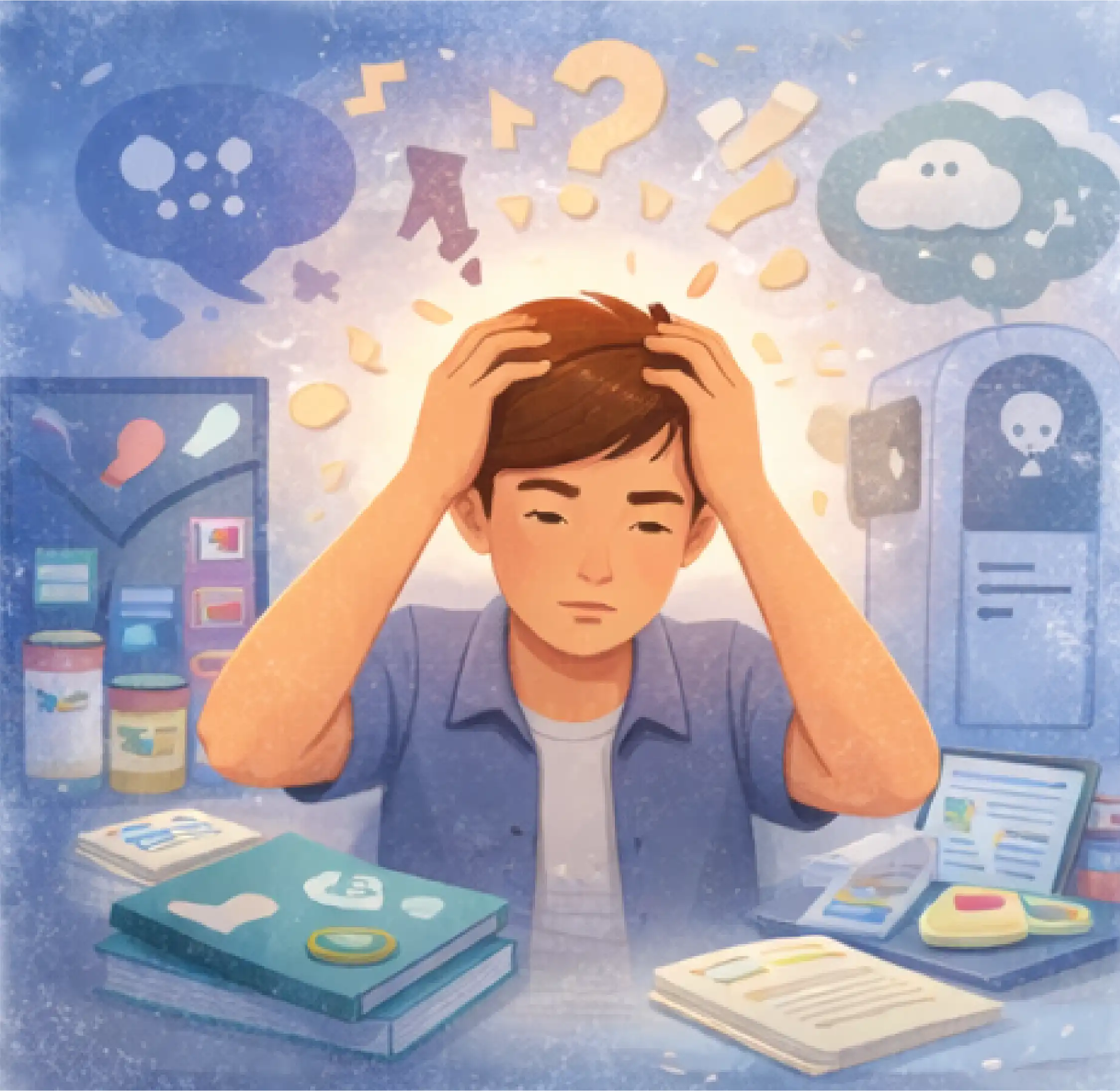
If you’ve ever watched a teenager react dramatically to something tiny, stay awake till 3 a.m., forget something important five minutes after hearing it, say they’re “fine” while visibly struggling, or swing from laughter to silence in the same afternoon, you’ve probably wondered: “Why do teens behave like this?” To adults, teen behaviour often looks unpredictable, emotional, risky, or confusing. But the truth is far more fascinating: teens behave the way they do not because they’re rebellious, careless, or attention-seeking — but because their brain is literally under construction. The adolescent brain is one of the most complex, chaotic, and extraordinary phases of human development. It’s a neurological storm mixed with hormonal fireworks, identity formation, emotional rewiring, and a prefrontal cortex (the decision-making part) still in development. Once you understand the science, teen behaviour suddenly makes sense. And more importantly — it becomes easier to support.A Brain Under Construction: The Science Behind Teen Instability
During adolescence, the brain goes through a massive restructuring process called neural pruning. This is where the brain removes old, unused connections and strengthens the ones that matter. Think of it as renovating a house while still living inside it — everything is messy, unpredictable, noisy, and emotionally intense. What you see as mood swings or impulsive behaviour is simply the brain reorganising itself. Researchers have identified three major developments that shape teen behaviour:1. The Prefrontal Cortex Is Still Developing
This part of the brain controls logic, planning, emotional regulation, decision-making, time perception, and understanding consequences. In teens, it’s not fully operational yet. This means:- they act before thinking
- they struggle to prioritise
- they misjudge risks
- they react emotionally instead of rationally
- they forget long-term consequences
2. The Limbic System Is Hyperactive
This emotional engine develops faster than the logical part of the brain. So teens feel:- emotions intensely
- rejection painfully
- excitement strongly
- praise meaningfully
- criticism deeply
3. The Reward System Craves Stimulation
During adolescence, dopamine sensitivity skyrockets. This means teens feel bored faster and rewarded harder. They naturally seek:- thrills
- novelty
- social approval
- experimentation
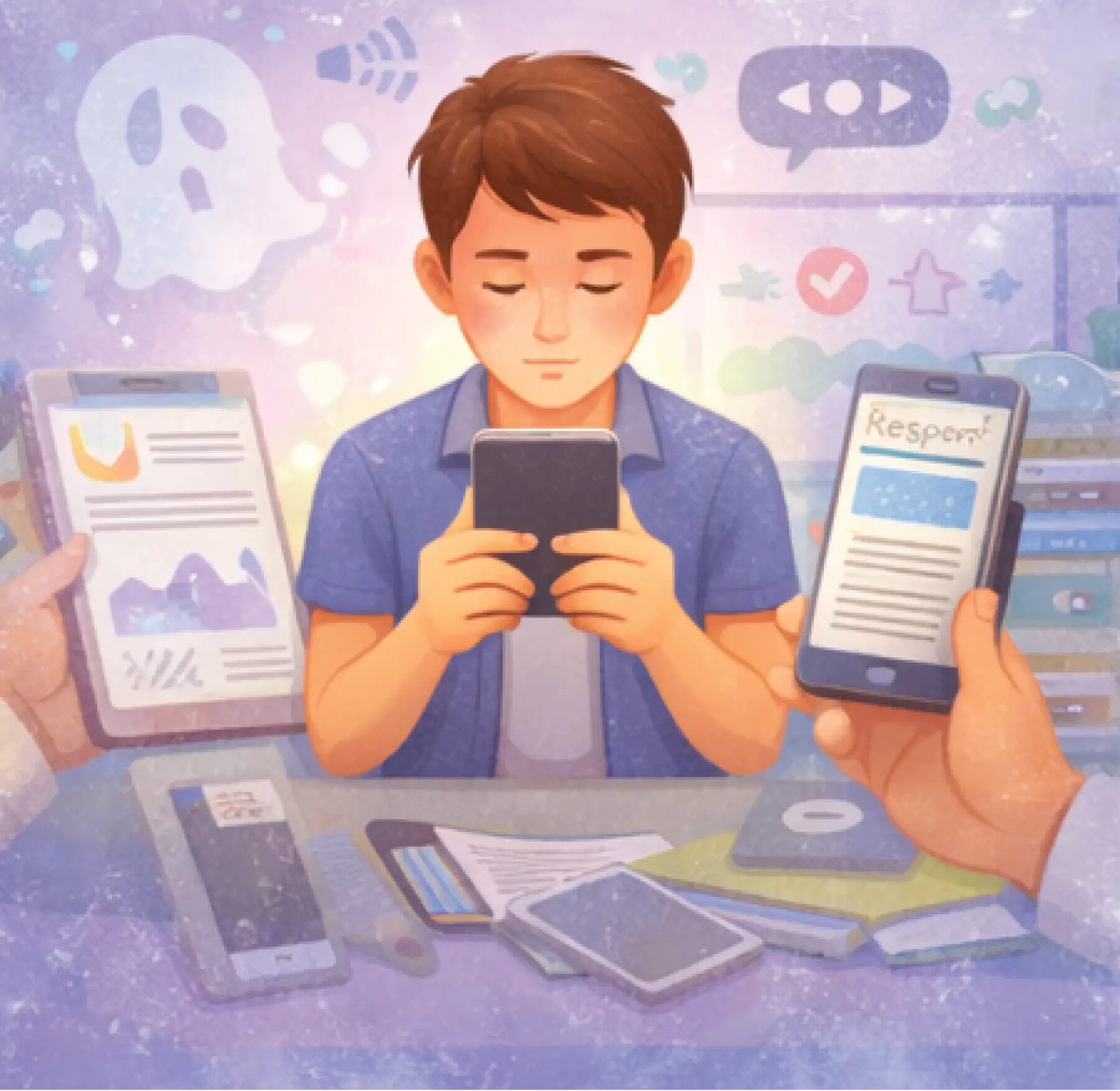
- digital stimulation
Why Teens Look More Independent But Need More Support
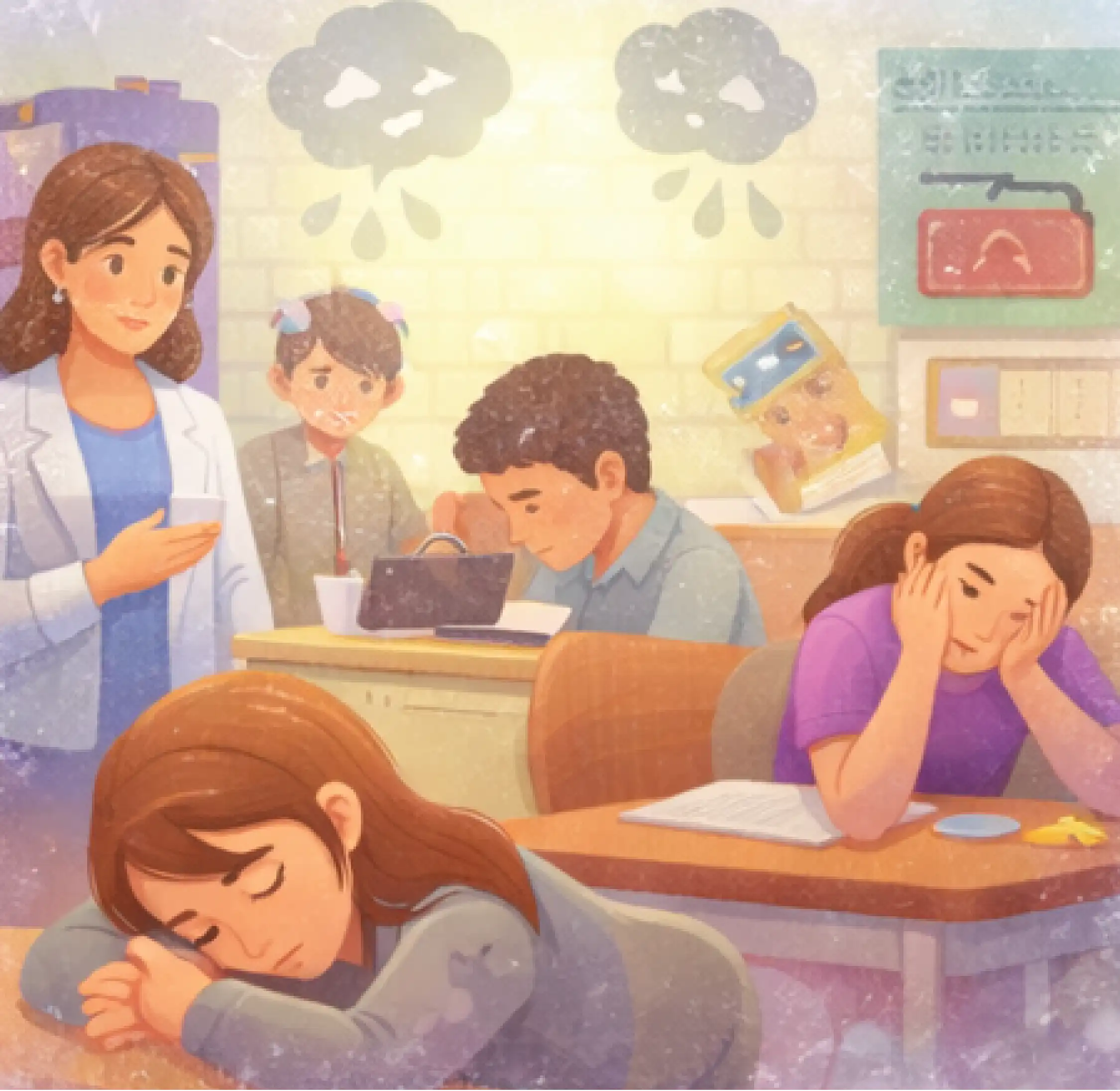
Teenagers often act like they don’t need help — “Leave me alone,” “I know,” “Stop treating me like a child.” But underneath the surface, they are overwhelmed by a world that suddenly feels larger, louder, and more demanding. Teens experience:- pressure to perform academically
- pressure to fit in socially
- pressure from digital comparison
- pressure from changing identities
- pressure to impress adults
- pressure to look confident
- pressure to plan their future
The Emotional Truth Behind Teen Behaviour
Let’s decode some common teen behaviours from a psychological perspective:1. Mood Swings
Not because they’re dramatic — but because their limbic system is hypersensitive.2. Irritability
Often comes from emotional overload, fear of failure, or feeling misunderstood.3. Risky Decisions
Linked to dopamine seeking and incomplete prefrontal cortex development.4. Withdrawal or Silence
Not disrespect — often emotional confusion they don’t know how to express.5. Overreaction to Criticism
Because their identity is fragile and still forming.6. Overthinking Social Situations
Their brain is wired to care deeply about belonging during this stage.7. Desire for Independence
Their sense of identity pushes them to prove autonomy, even when they’re not fully ready. Every confusing behaviour has a scientific reason behind it.The Hidden Side: Teens Feel More Than They Show
Research consistently shows that teens struggle with:- emotional intensity
- low self-esteem
- fear of judgement
- social anxiety
- academic pressure
- digital fatigue
- identity confusion
- loneliness masked by social media
- suppressed emotions
- fear of disappointing parents
- they don’t have the vocabulary
- they fear being misunderstood
- they want to appear “strong”
- they worry about being judged
- they feel parents won’t get it
- they fear creating conflict
Why Screening Helps Identify Early Risks in Teens
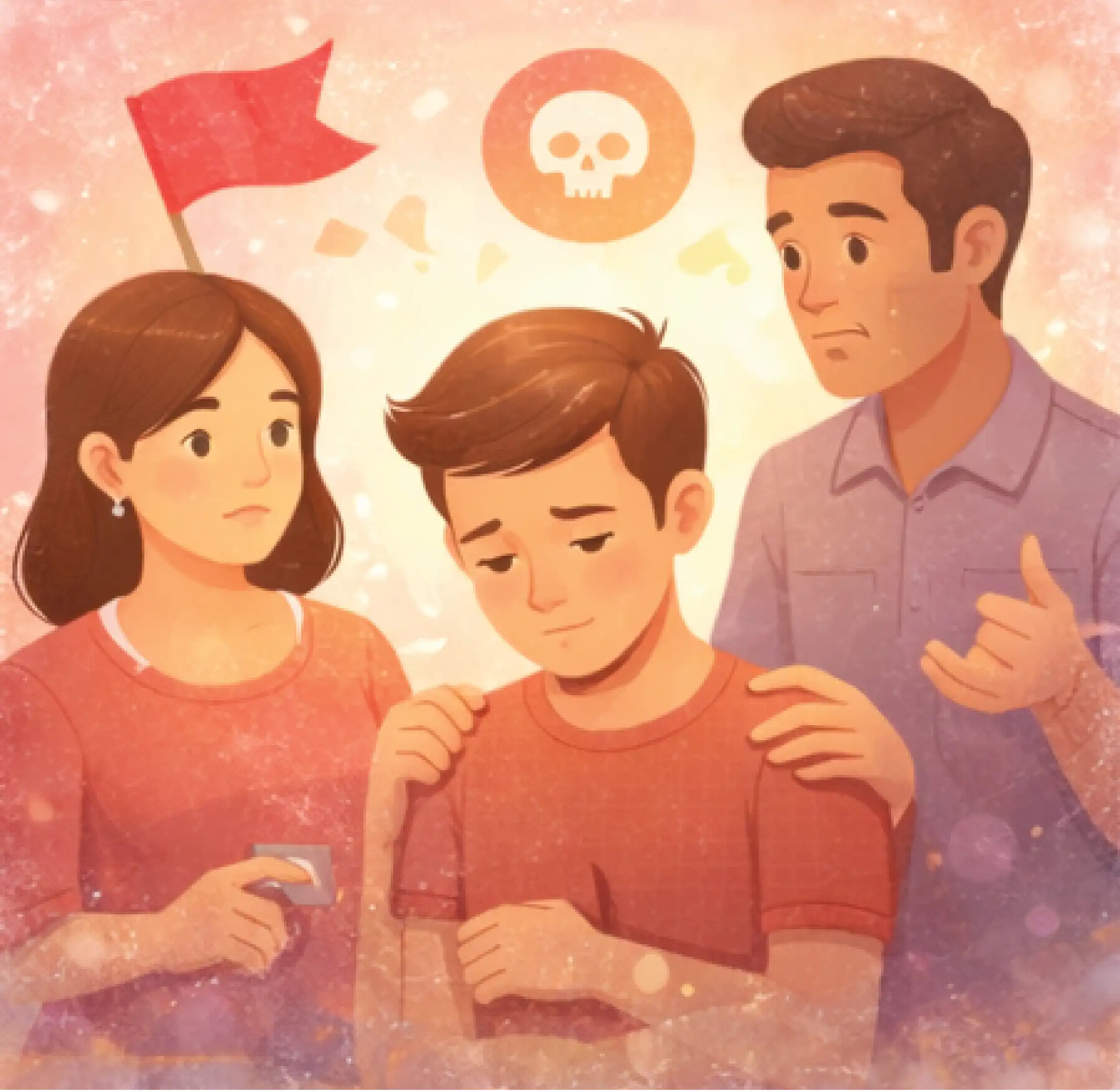
A teenager might seem “normal” on the surface but internally experience:- anxiety
- early depressive tendencies
- emotional exhaustion
- digital addiction
- self-esteem issues
- social withdrawal
- overthinking loops
- sleep disruption
- irritability from stress
- academic burnout
How Counselling Helps Teens Feel Seen (Sometimes for the First Time)
Counsellors create a safe, non-judgmental space where teens can talk without fear. They help teens:- understand their emotions
- process academic pressure
- build confidence
- learn emotional regulation
- navigate friendships and relationships
- improve communication with parents
- overcome anxiety and overthinking
- manage digital use
- handle identity confusion
What Parents Need to Know: Teens Aren’t Trying to Be Difficult
It’s easy to label teen behaviour as rebellious, careless, or irresponsible. But behind almost every frustrating behaviour lies:- confusion
- fear
- emotional overwhelm
- identity struggle
- desire for autonomy
- sensitivity
- a genuine attempt to cope