
If Schools Can Check Vision, Height, Marks & Attendance — Why Not Mental Health?
Every year, schools meticulously track students’ height, weight, eyesight, exam scores, attendance, co-curricular performance, and sometimes even handwriting quality. But ask the average school how many students in their classrooms are quietly battling anxiety, emotional exhaustion, digital addiction, low self-esteem, or early depressive symptoms… and you’ll often hear silence. Not because the problems don’t exist. But because nobody is measuring them. And here’s the uncomfortable reality every educator should know: If you aren’t measuring mental health, you are missing the biggest predictor of academic performance, behaviour, concentration, and long-term success. Modern research consistently shows that emotional wellbeing is more important to learning than intelligence alone. A child with high stress can lose 30% of cognitive efficiency. A teen overwhelmed by anxiety performs like a student two grade levels behind. A student struggling with digital addiction may look “lazy” but is actually neurologically fatigued. In other words: Mental health drives everything. And yet, most schools don’t check it even once a year. It’s time to change that.The Teen Mental-Health Crisis Is Not a Future Problem — It’s Already Here
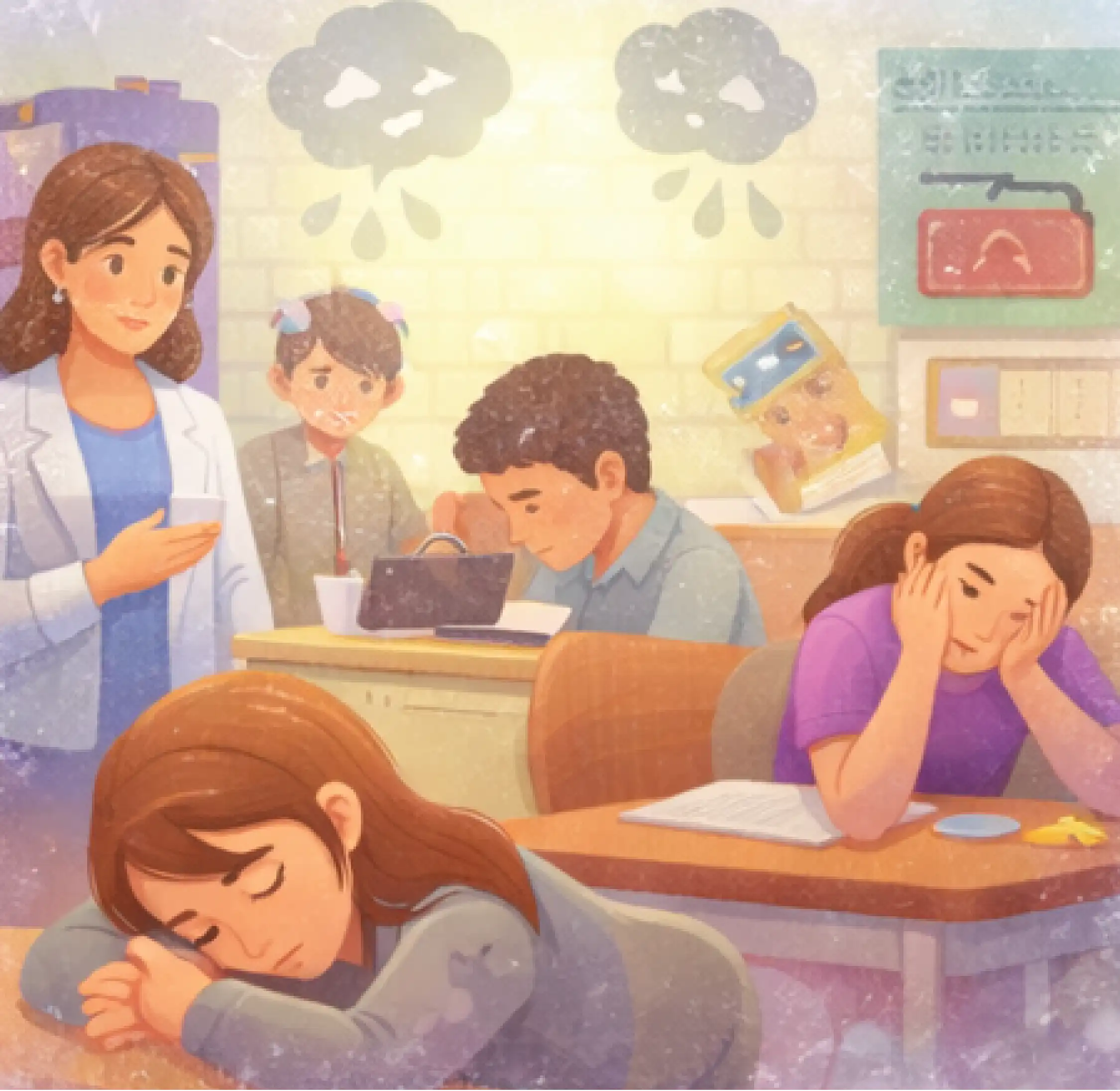
Schools today are managing far more than academics. Teachers and counselors are witnessing patterns that didn’t exist 15 years ago:- students who are exhausted even after long nights of “rest”
- sharp increases in anxiety and panic tendencies
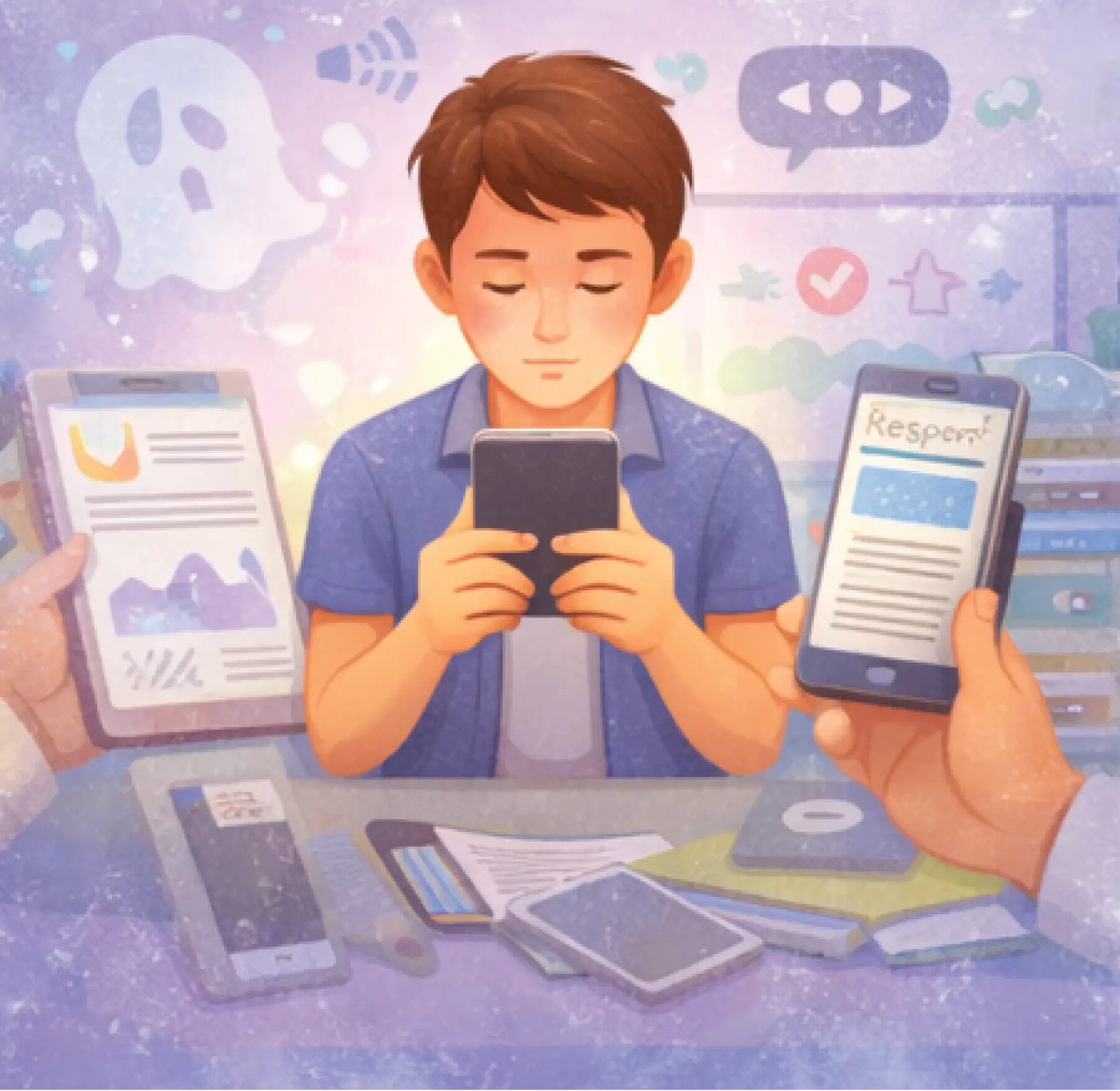
- digital dependency crippling attention spans
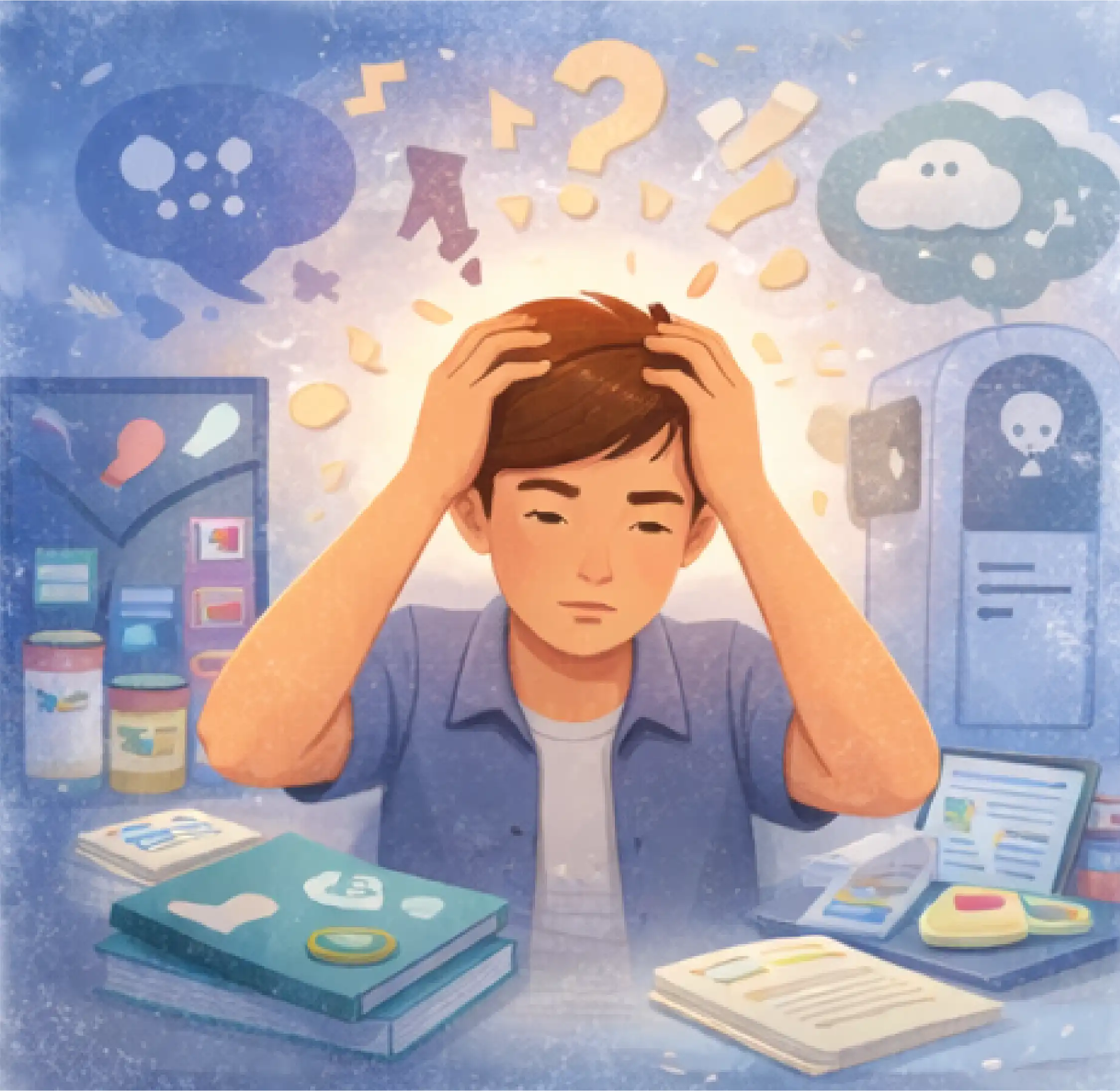
- perfectionism causing breakdowns
- inability to focus for more than a few minutes
- teens emotionally shutting down under pressure
- irritability and aggression caused by stress
- students masking depression with social media presence
- rising loneliness despite huge friend circles
- laziness
- disinterest
- rebellion
- “attitude problems”
- falling grades
- distraction
- emotional drama
Why Semester-Wise Screening Is the Smartest Move for Schools
Annual screening is good. Semester screening is transformational. Why? Because students’ emotional lives shift rapidly. A teen who was stable in January may be struggling by July due to:- exam pressure
- friendship changes
- social media experiences
- new insecurities
- academic failures
- family environment shifts
- digital addiction
- hormonal fluctuations
- identity conflicts
1. Early Detection Prevents Escalation
Just like physical illnesses, emotional issues worsen when ignored. A small pattern of anxiety can grow into chronic avoidance. A mild sleep disturbance can turn into exhaustion-based depression. A temporary low mood can evolve into suicidal thoughts. Screening catches patterns before they intensify.2. Schools Get Data, Not Assumptions
Imagine a dashboard showing:- how many students show early anxiety
- how many are emotionally overloaded
- how many struggle with focus
- how many need counselling
- which grades show highest distress
- what issues peak during exam months
3. Reduces Stigma & Normalises Support
If every student completes screening, support becomes normal. No one feels “targeted.” Everyone sees mental health as essential, not optional.4. Improved Academic Outcomes
Students with better emotional regulation study better, retain better, perform better, and behave better. Mental health screening indirectly boosts marks, attendance, and participation.5. Teachers Get Insight Into Student Behaviour
Sudden aggression? Chronic daydreaming? Extreme withdrawal? Screening reveals the psychological reasons behind classroom behaviour.What Screening Actually Measures (And Why Schools Need It)
A semester-wise mental-health screening tool (like the ones Mr. Psyc builds) checks:- emotional regulation
- anxiety levels
- depressive tendencies
- attention & focus issues
- digital dependencies
- sleep quality
- social confidence
- self-esteem
- stress coping ability
- burnout indicators
- bullying impact
- family stress influence
A Real Example: What Schools Discovered After Mass Screening
In several school-based studies (India + global), screenings revealed shocking insights:- 32% of students showed early anxiety signals
- 28% struggled with digital overuse affecting concentration
- 19% showed sleep disturbances
- 21% had social confidence issues
- 8% showed depressive tendencies unnoticed by parents or teachers
Why Schools Cannot Rely on Teachers Alone to Detect Issues
Teachers care deeply. They observe students daily. But they are not trained psychologists. Even the best teacher cannot detect:- internal anxiety loops
- early signs of emotional dysregulation
- silent depressive patterns
- digital addiction markers
- deep-rooted self-esteem issues
- cognitive distortions
- early trauma triggers
The Future of Education Includes Emotional Analytics
Just like schools use academic analytics, attendance analytics, performance dashboards, and behavioural logs — the next evolution is emotional analytics. A semester-based screening system allows schools to track:- improvement after counselling
- grade-wise stress cycles
- the impact of exam seasons
- the role of digital use
- year-over-year wellbeing trends