
Teens Rarely Say “I’m Struggling” — They Show It in Disguised Ways
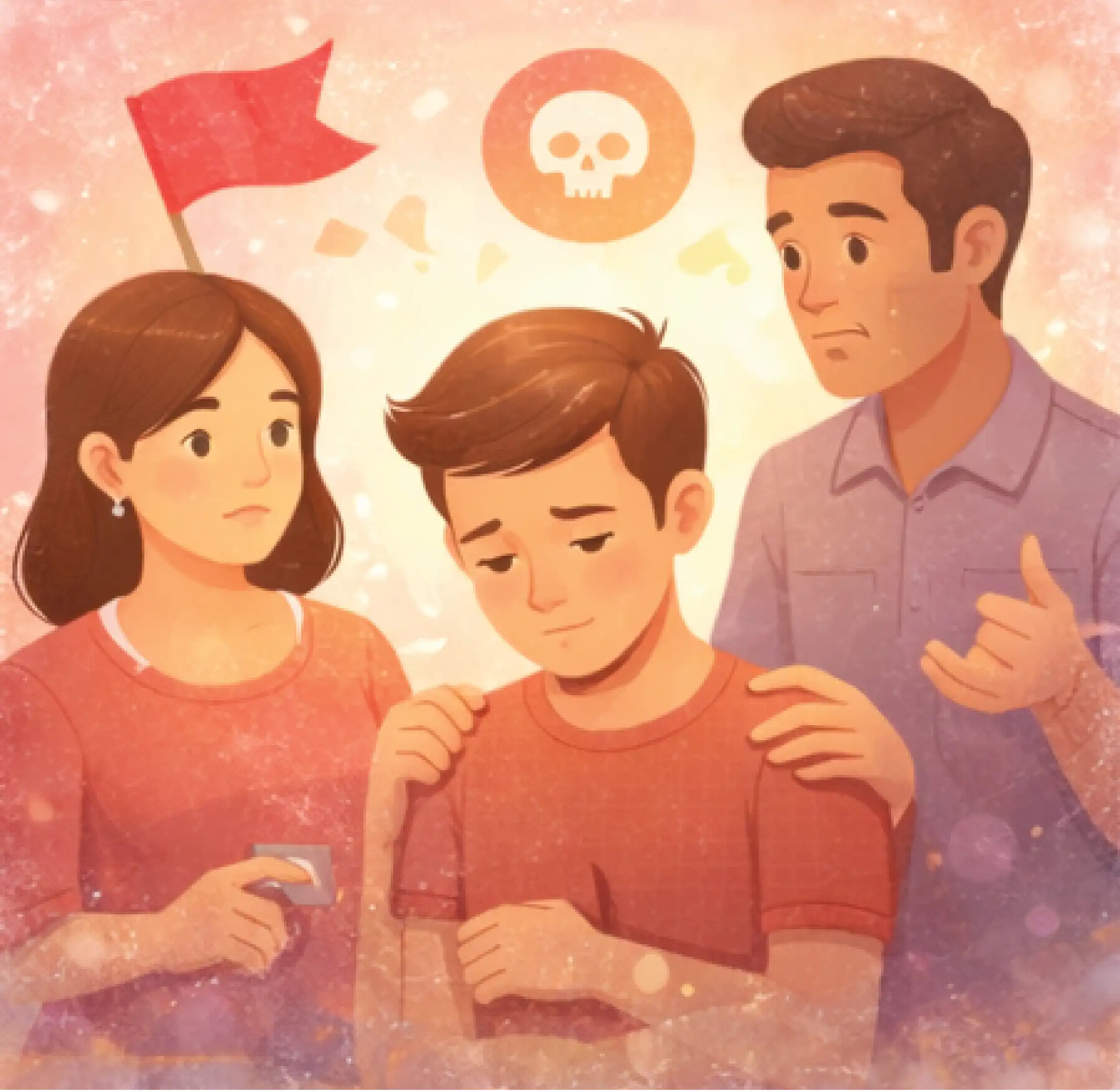
If only teens came to parents and said, “Mom, Dad… I think I’m emotionally overwhelmed and going through a developmental shift that’s impacting my mental wellbeing.” But no. Teens communicate distress in the most confusing ways possible. A teen who is anxious may look rude. A teen who is depressed may look lazy. A teen who is stressed may look distracted. A teen who is emotionally numb may look “unbothered.” A teen who is burning out may look like they “don’t care anymore.” Most parents see behaviour. Most teens express emotions through behaviour. This mismatch is why early risk flags go unnoticed. Today’s teenagers face pressures older generations never experienced — social comparison on steroids, academic expectations from all directions, digital overstimulation, identity confusion, hormonal changes, emotional volatility and zero emotional vocabulary to express all of it. This creates risk flags that look normal, but are anything but normal. Let’s break down the signs most parents overlook.1. Subtle Withdrawal — Not “Privacy,” but Emotional Shutdown
Teens withdrawing to their room for hours is common. But here’s the key difference: healthy privacy is selective and balanced; emotional shutdown is consistent and isolating. Watch for patterns like:- avoiding family meals
- staying silent for long periods
- spending entire weekends in their room
- responding in monosyllables
- withdrawing after school
- disconnecting from relatives or old friends
2. Extreme Irritability — Emotional Pain Disguised as Anger
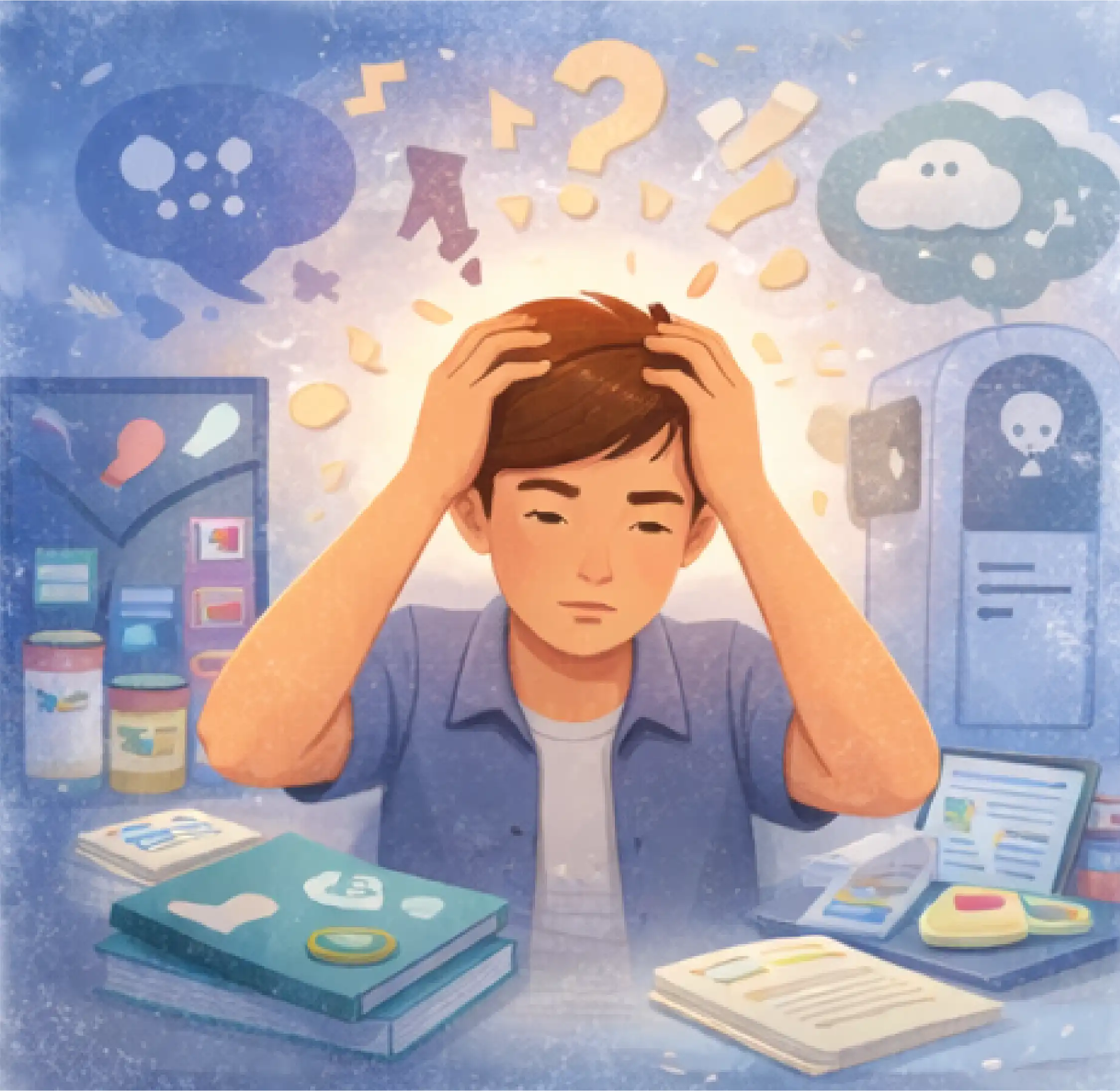
Teen anger is one of the most misunderstood risk flags. Irritability is often an outward expression of inward stress. Teens experience irritability due to:- internal emotional overload
- academic pressure
- hormonal fluctuations
- relationship stress or peer conflicts
- sleep deprivation
- screen-induced anxiety
- fear of disappointing parents
- low self-esteem
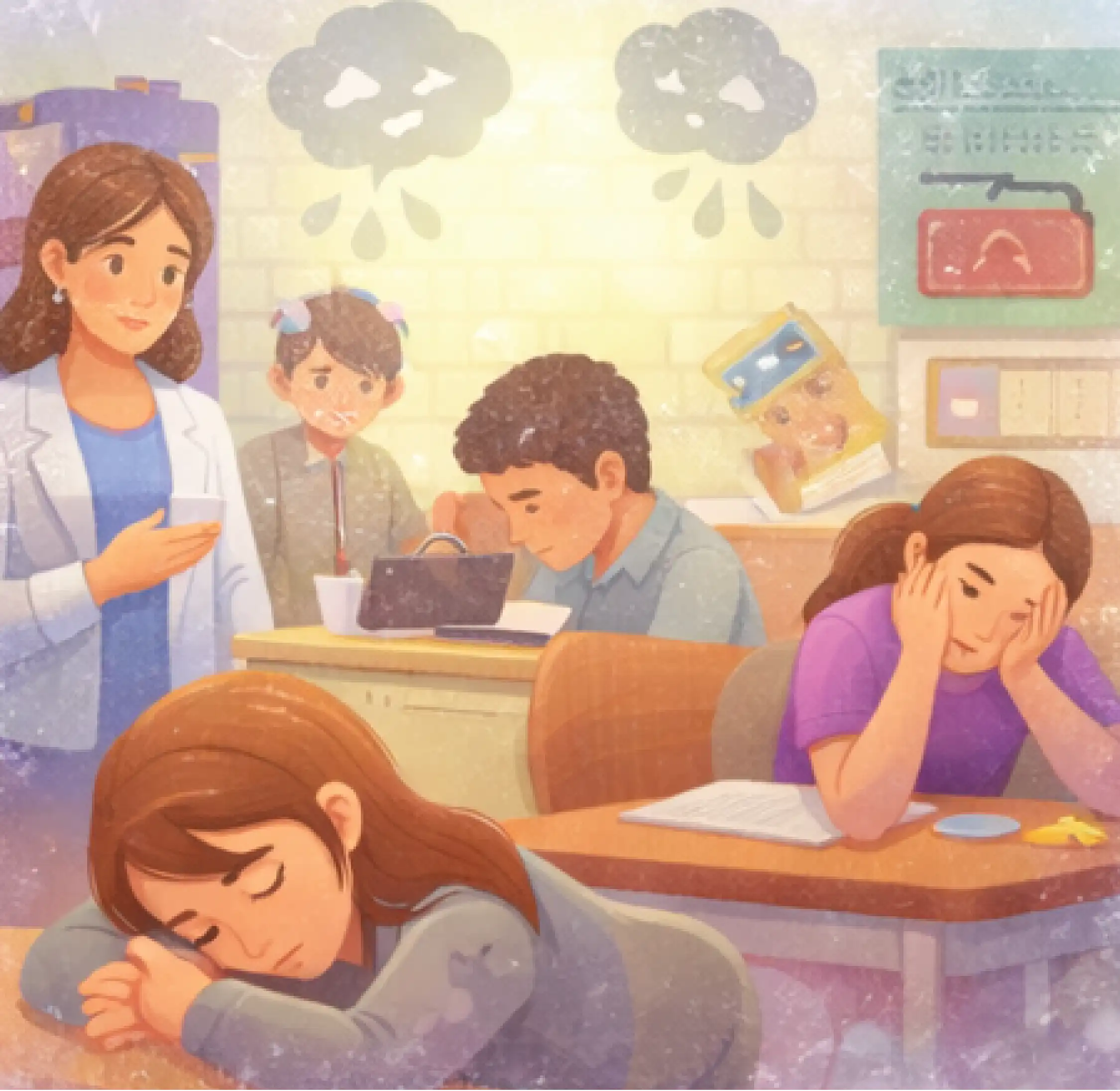
3. Sudden Drop in Academic Interest — Not Laziness, But Cognitive Exhaustion
A teen who suddenly loses interest in schoolwork is not “getting careless.” It’s often a sign of:- burnout
- anxiety-induced avoidance
- overwhelming expectations
- fear of failure
- attention fatigue from digital overload
- emotional tiredness
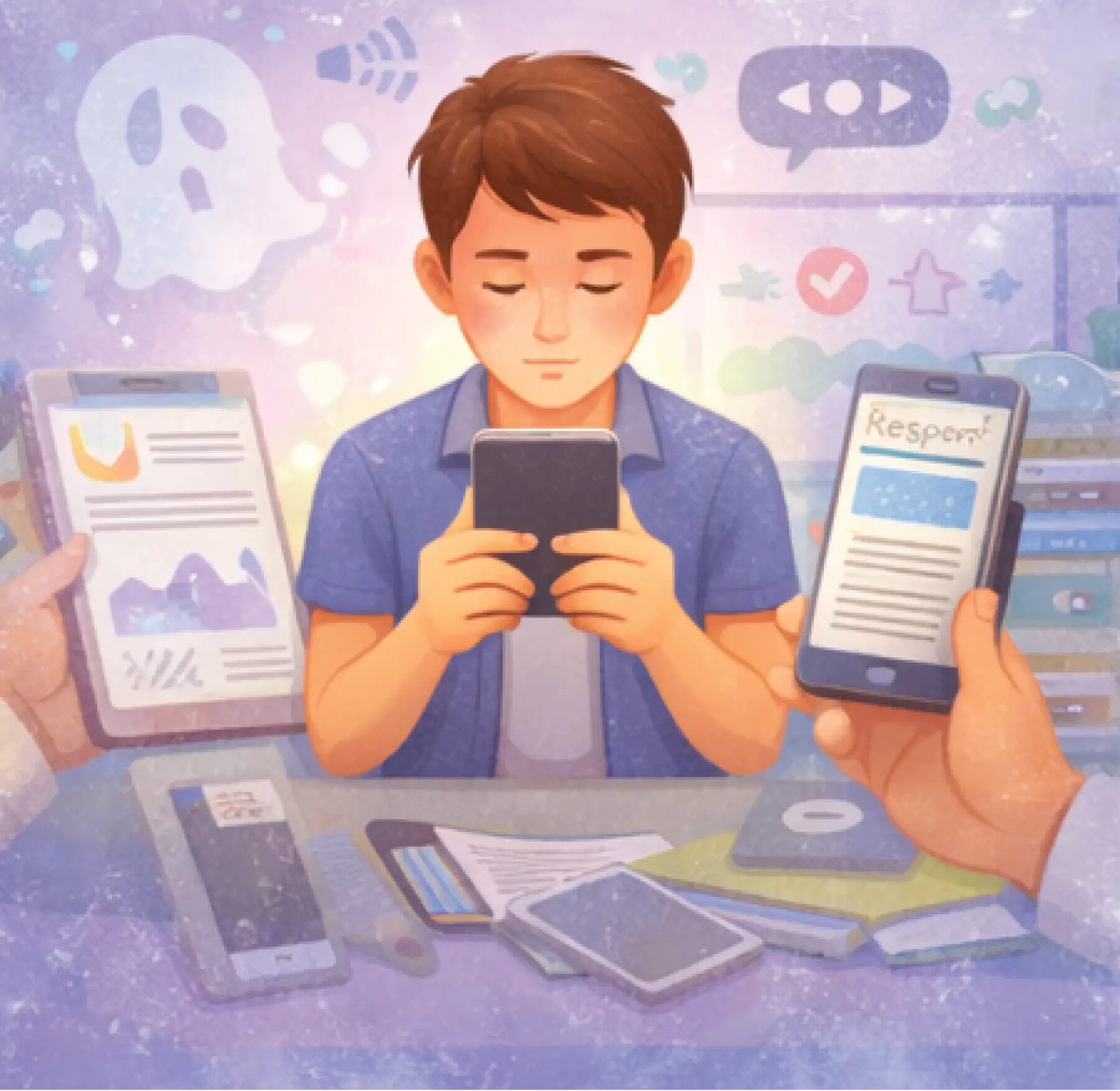
4. Over-Dependence on Screens — A Sign of Emotional Escape
Parents see “too much screen time.” Psychologists see “digital escape from emotional discomfort.” Teen screen overuse may indicate:- avoiding stress
- soothing anxiety
- escaping conflicts
- numbing sadness
- avoiding academic tasks
- seeking dopamine highs
- avoiding loneliness
5. Change in Sleep Patterns — One of the Most Accurate Early Flags
Teens who are:- sleeping too much
- not sleeping at all
- waking up tired
- having fragmented sleep
- staying awake till 2–3 a.m.
- waking up frequently
- anxiety
- depressive tendencies
- digital addiction
- academic pressure
- emotional overload
- hormonal imbalances
- identity stress
6. Growing Sensitivity to Criticism — A Fragile Identity in Formation
Teens often react explosively or dramatically to small feedback. Not because they’re rude. But because their identity is still forming and fragile. A simple comment like “Work harder” can feel like “You’re not good enough.” A suggestion like “Try again” can feel like “You failed.” This hypersensitivity is an early sign that the teen’s internal self-worth is shaky — a critical psychological flag.7. Loss of Enjoyment — When Passion Suddenly Turns into Apathy
If a teen who loved drawing, music, sports, or gaming suddenly shows disinterest, it’s rarely random. Loss of interest can indicate:- emotional fatigue
- depressive patterns
- self-esteem dip
- social comparison pressure
- performance anxiety
- early burnout
8. Changes in Eating Habits — The Body Responding to Emotional Stress
Under-eating or overeating are not just “teen appetites.” They are stress responses. Teens eat differently when they are:- anxious
- overwhelmed
- depressed
- lonely
- overstimulated
- bored
- burnout-affected
9. Emotional Numbness — The Most Silent Risk Flag of All
Some teens don’t cry. They don’t explode. They don’t react. They simply go numb. This emotional shutdown is often misread as maturity or calmness. But numbness means the emotional system is overloaded and has switched to survival mode. A numb teen is a teen who needs urgent attention.10. Small Behavioural Changes That Reveal Internal Turbulence
Parents often miss subtle cues like:- sitting alone more often
- declining social invitations
- avoiding eye contact
- fidgeting constantly
- talking less
- clinging to headphones
- reacting too strongly to small disappointments
- declining interest in grooming
- forgetting routine tasks
Why Parents Miss These Signs (And Why It’s Not Their Fault)
Most parents weren’t trained in adolescent psychology. Many grew up in times when mental health was not a conversation. So they interpret behaviour from an adult lens. But a teen’s emotional language is unique. They don’t communicate through words — they communicate through patterns. Parents miss signs because:- teens mask emotions
- modern stressors are unfamiliar
- behaviour can look like “attitude”
- school pressure feels “normal”
- teens avoid vulnerability
- emotional literacy is low
- digital distractions hide distress
Why Screening Tools Are Critical for Teen Wellbeing
Psychometric screening helps identify:- early anxiety
- depressive tendencies
- digital addiction levels
- burnout
- low self-esteem
- social discomfort
- sleep disturbance
- emotional overload
- panic disorders
- depressive episodes
- academic collapse
- identity crises
- self-harm risk
- behavioural deterioration