
Teachers Notice Everything — but Emotional Distress Is Easy to Miss
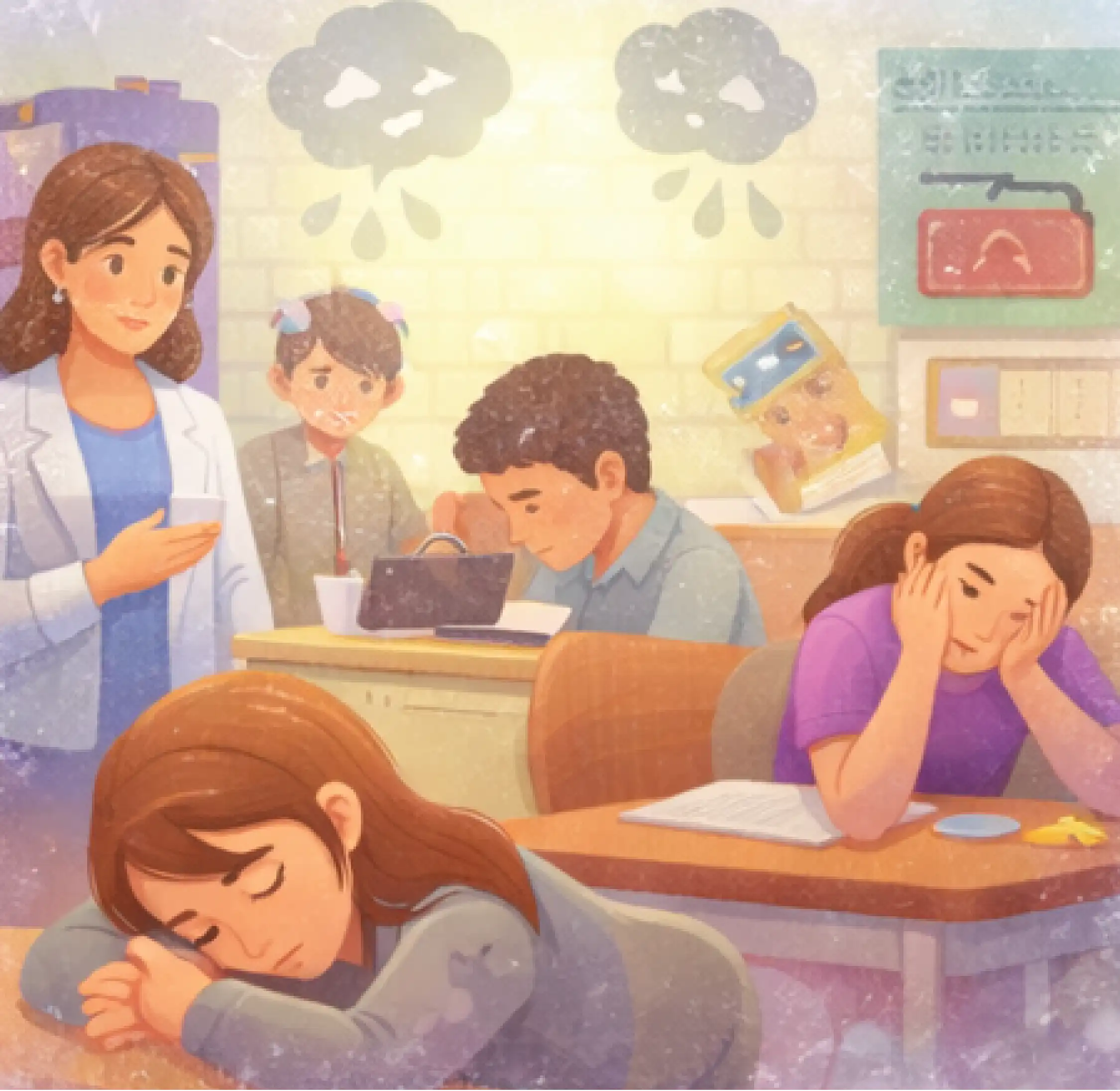
Walk into any classroom and you’ll find a group of students who appear completely normal on the surface. They laugh, talk, study, participate, and follow routines. But if you look closer — beneath the noise, notebooks, and morning announcements — you’ll often find hidden emotional storms. A child who suddenly becomes silent is labeled “shy.” A teen who keeps staring out the window is labeled “distracted.” A student who stops submitting homework is labeled “lazy.” A child who gets angry quickly is labeled “disruptive.” A student who avoids class participation is labeled “uninterested.” In reality, many of these behaviours could be early signs of psychological distress — signs that students themselves don’t understand, parents don’t see, and teachers mistake for behaviour issues. Educators are often the first adults to observe changes in teens. They spend more time with students every day than most parents. Which means they’re in the best position to detect emotional struggles — if they know what to look for. This blog is a practical guide for educators to understand the invisible emotional signals inside classrooms.Why Classroom Distress Is Hard to Detect
Teens do not express emotional pain directly. Their behaviour becomes their language because:- they lack emotional vocabulary
- they fear judgment
- they don’t want teachers or peers to see them as “weak”
- academic pressures make them hide vulnerabilities
- social expectations push them to appear okay
The First Signals: Subtle Changes in Classroom Behaviour
Educators often notice distress first through micro-behaviours — small shifts that appear “normal,” but actually reveal deep internal shifts.1. Reduced Participation (Early Emotional Withdrawal)
A usually active student becomes quiet. The student who always raised their hand now avoids attention. A confident child begins blending into the background. This isn’t disinterest — it’s early anxiety or emotional overload.2. Sudden Drop in Academic Consistency
Not grades alone — but consistency. Assignments delayed, homework skipped, reading incomplete, projects rushed. This is commonly a sign of:- burnout
- cognitive overload
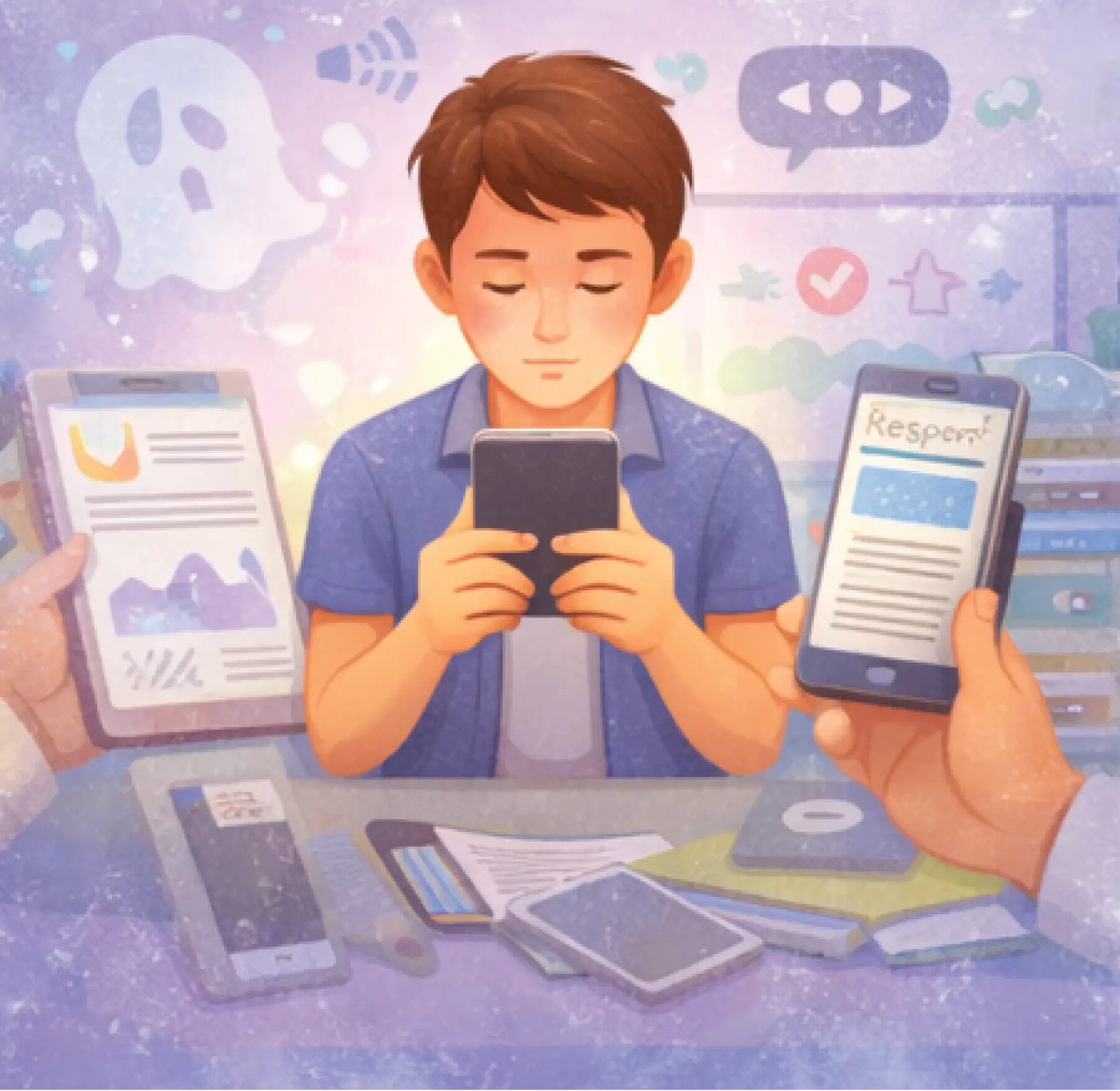
- digital addiction
- emotional exhaustion
- perfectionism-induced paralysis
- depressive tendencies
3. Overreaction to Small Stressors
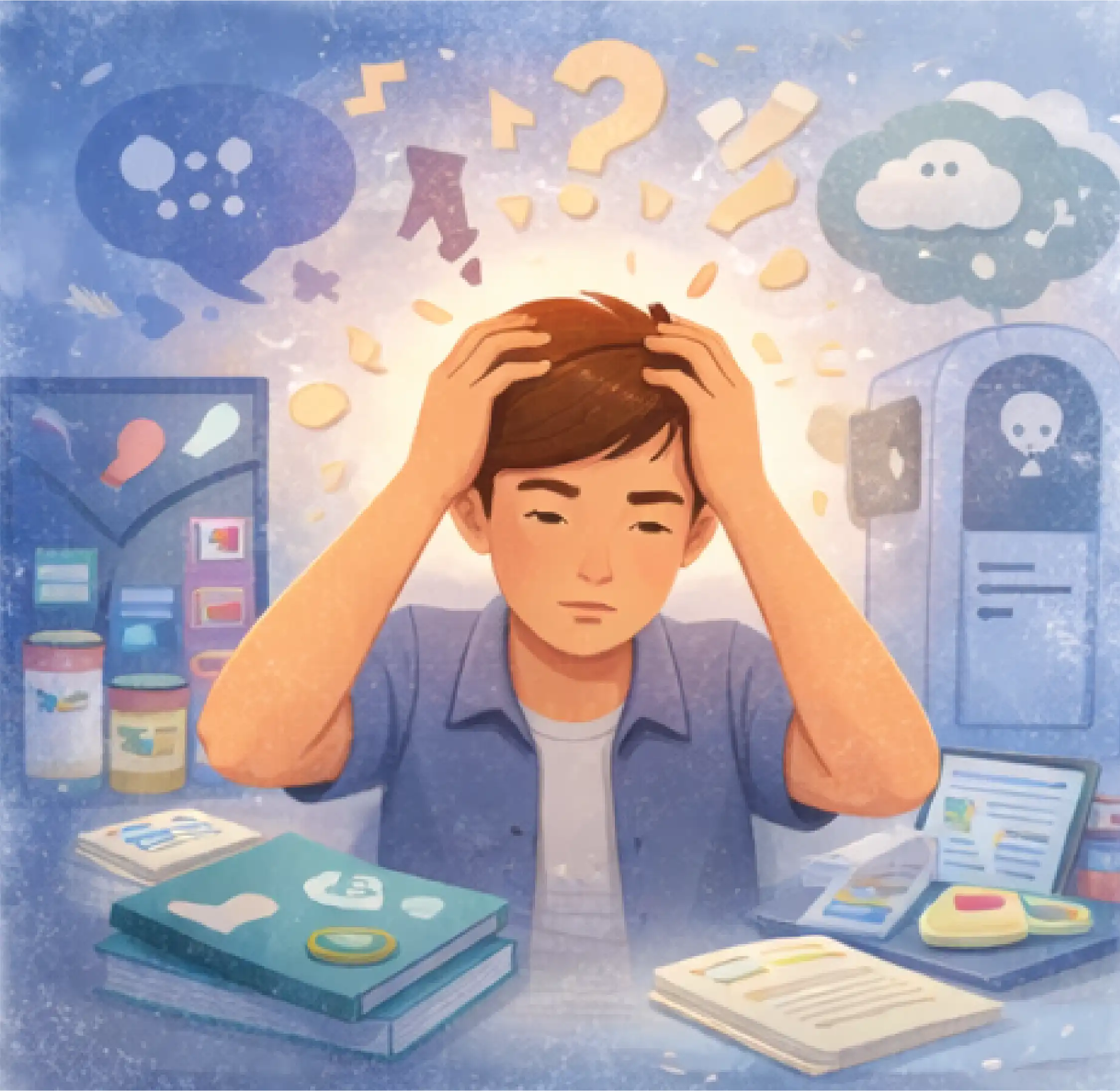
A small correction suddenly causes tears. A minor mistake triggers panic or anger. A simple class instruction feels overwhelming. This indicates emotional saturation — when the brain’s stress bucket is full.4. Social Changes Within Peer Groups
A student who once enjoyed group work begins sitting alone. A teen starts avoiding certain classmates. Friendly interactions become tense. This may reflect fear of judgment, bullying, social anxiety, or internal emotional conflict.5. Visible Fatigue and Sleepiness
Teens who appear physically present but mentally absent — sluggish, yawning, unable to concentrate — are often struggling with:- late-night screen use
- anxiety-induced insomnia
- emotional exhaustion
- stress-affected sleep patterns
The Academic Clues: When Performance Becomes a Warning Sign
Academic distress does not always appear as low marks. Sometimes it appears as:- erratic performance
- very high perfectionism
- sudden drop in confidence
- fear of making mistakes
- procrastination
- dependence on reassurance
- inability to start work
The Physical Signals: When the Body Reveals What the Mind Hides
Emotional distress often leaks into the body. Teachers may notice:- headaches
- stomachaches
- repeated nurse visits
- inability to sit still
- sweating during presentations
- nail-biting
- shaking hands
- rapid breathing
- drop in energy during class
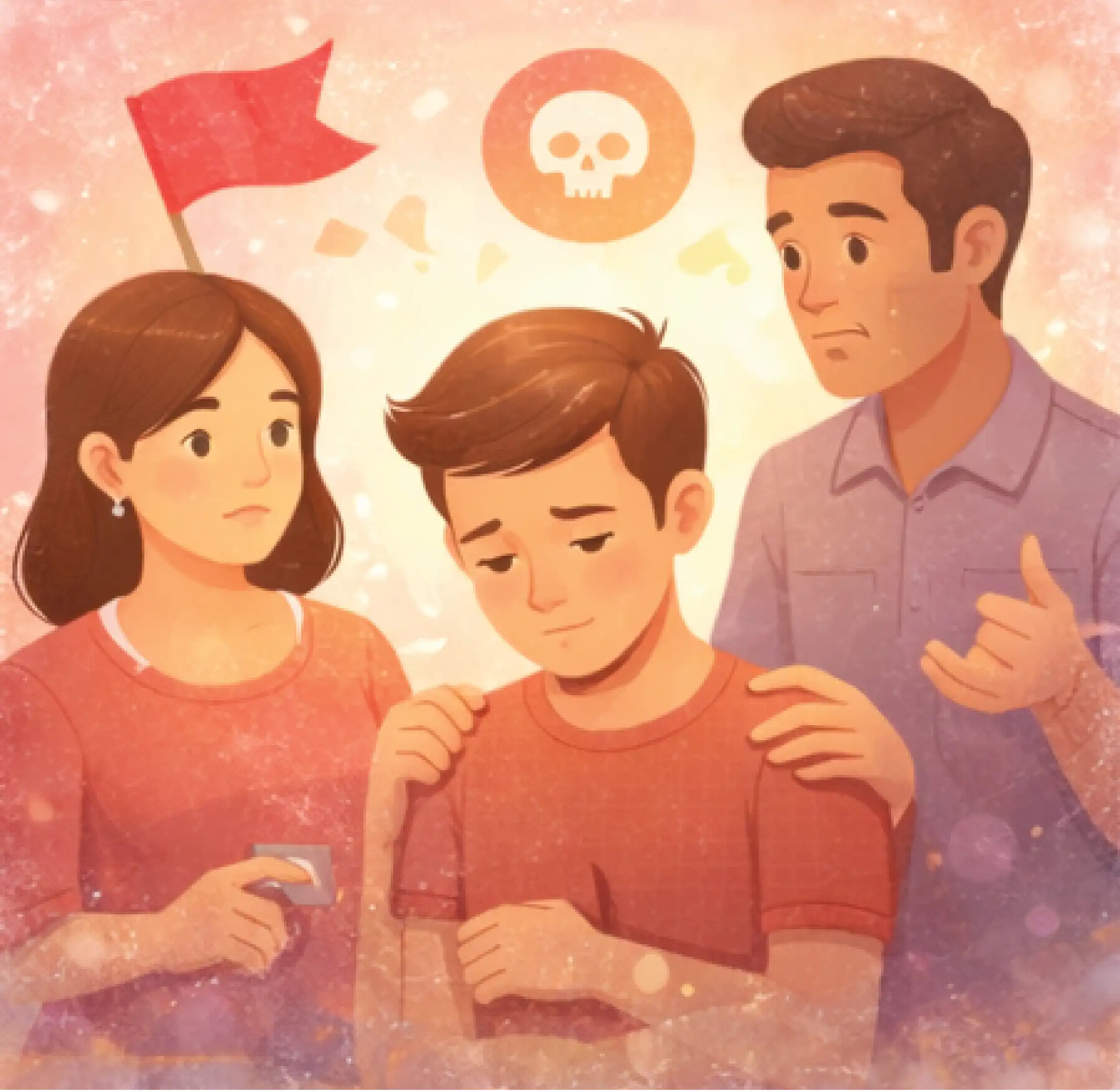
The Emotional Signals: Changes That Require Immediate Attention
Some classroom behaviours are strong indicators of deeper emotional risk:- sudden crying
- emotional numbness
- irritability
- fearfulness
- avoidance of specific subjects
- excessive worry
- constant apologies
- self-critical comments
- withdrawal after recess
- excessive quietness
The “Silent High Achiever” — The Most Overlooked Distressed Student
Some teens don’t display behavioural issues at all. They perform well, follow instructions, achieve high grades, and appear mature. But many emotionally distressed students fall into this group. They hide behind:- perfectionism
- academic excellence
- over-responsibility
- self-sufficiency
- people-pleasing behaviour
How Educators Can Identify Distress Using a Simple Framework
Here’s a practical approach teachers can use in any classroom:1. Observe: Look for Changes Over Time
Compare the student’s current behaviour with past patterns.2. Connect: Build Trust Without Forcing Disclosure
A simple “How are you holding up these days?” works wonders.3. Document: Note unusual behaviours consistently
Patterns become clear only with consistent observation.4. Refer: Involve the school counsellor early
Teachers are observers, not diagnosticians.5. Support: Offer classroom accommodations if needed
Seating changes, reduced workload, reassurance, patience.Why Screening Tools Help Teachers See the Full Picture
Most teachers cannot identify internal emotional patterns — nor should they be expected to. This is where school-wide screening becomes invaluable. Screening tools reveal:- anxiety levels
- emotional burnout
- digital overuse impact
- depressive tendencies
- attention issues
- sleep disturbances
- self-esteem patterns
- social anxiety
- bullying impact
Why Teachers Are the First Line of Emotional Defence in Schools
A teacher’s simple awareness can prevent:- emotional breakdowns
- chronic anxiety
- panic episodes
- depressive spirals
- self-harm risk
- academic collapse
- social withdrawal
- long-term psychological harm