
If Anxiety Feels Automatic, It’s Because It Is
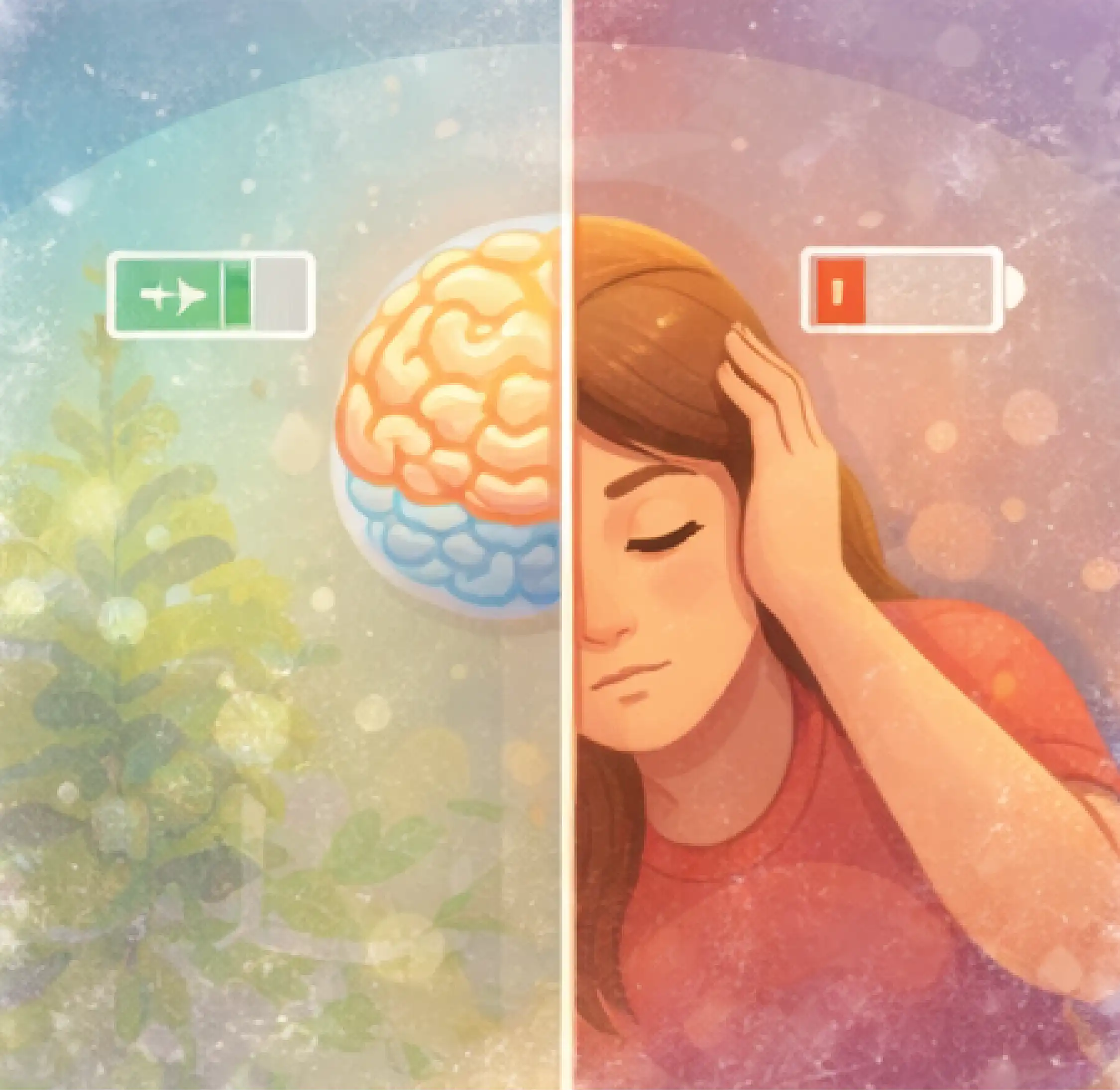
Have you ever wondered why your heart suddenly races even though nothing dangerous is happening? Or why your brain decides to catastrophize a tiny situation? Or why you say, “I know it’s irrational, but I can’t stop feeling anxious”? That’s because your brain often chooses anxiety before you consciously think. Not because you’re weak. Not because you’re dramatic. Not because you “overthink too much.” Your brain chooses anxiety because it believes it is protecting you. And long before you understand the situation logically, the emotional brain has already hit the panic button. Anxiety feels automatic because it is a pre-programmed survival mechanism — one shaped by evolution, strengthened by experience, and reinforced by behaviour loops. Let’s decode how and why your brain does this.The Two Brains Inside You: Emotional vs Logical
Inside your skull sit two decision-makers:1. The Emotional Brain (Limbic System)
Fast. Instinctive. Protective. Always scanning for danger.2. The Logical Brain (Prefrontal Cortex)
Slow. Analytical. Reasoning-driven. Responsible for evaluating facts and reality. Here’s the catch: The emotional brain acts first, and the logical brain comes later. This is why you feel anxious before you even understand why. The emotional brain triggers a reaction in milliseconds. The logical brain takes several seconds to assess the situation. By the time logic arrives, the anxiety train has already left the station.Why Your Brain Defaults to Anxiety Instead of Calm
Evolution shaped your brain for survival, not happiness. Thousands of years ago:- Missing a danger could get you killed.
- Overreacting could save your life.
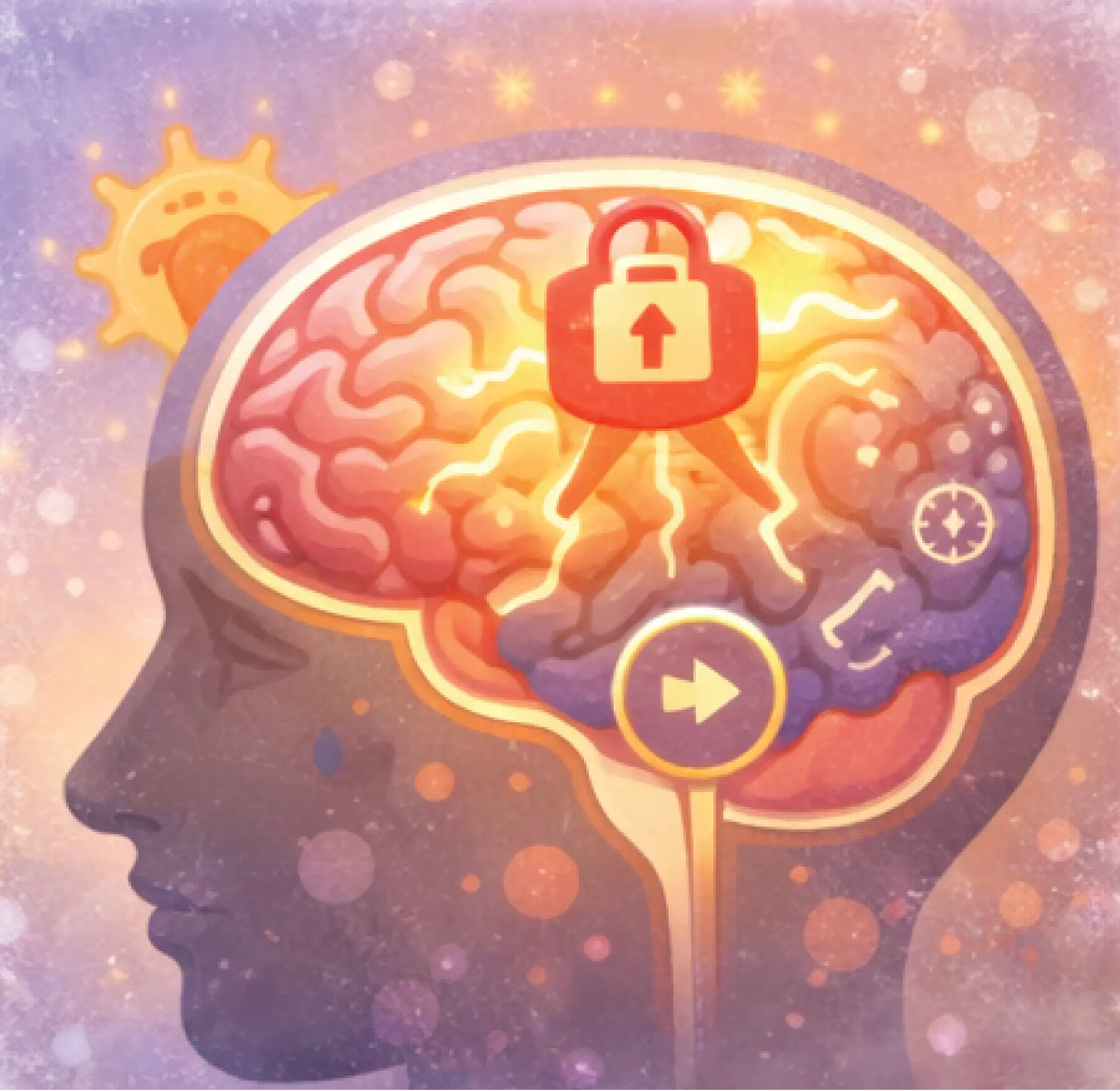
The Real Reason Anxiety Becomes Automatic: The Neural Shortcut
Inside the brain, there is a shortcut called the low-road pathway: Stimulus → Thalamus → Amygdala → Panic Response This route bypasses logical thinking. Its only purpose is speed. This means your brain can activate:- sweating
- increased heart rate
- muscle tension
- hyper-alertness
- intrusive thoughts
- shallow breathing
When the Brain Learns Anxiety: The Behaviour Loop
There’s a reason certain triggers consistently create anxiety. The brain forms loops:- Trigger (criticism, uncertainty, social situations, deadlines)
- Interpretation (“This is dangerous”)
- Physical reaction (sweating, tension, fast heart rate)
- Coping behaviour (avoidance, overthinking, reassurance seeking)
- Temporary relief
- Reinforcement (“This behaviour saved me”)
Your Brain Has a ‘Threat Filter’ — And It’s Often Wrong
Your amygdala — the fear center — classifies experiences based on safety or danger. But it does so emotionally, not logically. So it misinterprets:- criticism as threat
- uncertainty as danger
- change as risk
- social interactions as judgement
- mistakes as failure
- silence as rejection
- past experiences
- childhood conditioning
- emotional wounds
- repeated stress
- unresolved trauma
- lack of emotional regulation skills
Why Some People Experience Anxiety More Than Others
It’s not “just personality.” Neuroscience explains the variability:1. Genetic Sensitivity
Some brains naturally produce more fear-based signals.2. Childhood Experiences
Critical environments create high-threat interpretations.3. Trauma
Past emotional injuries shape threat perception.4. Chronic Stress
Stress hormones (cortisol) keep the amygdala hyperactive.5. Lack of Emotional Skills
If you were never taught how to regulate emotions, the brain defaults to anxiety.6. Behavioural Reinforcement
Avoidance strengthens fear pathways. Anxiety isn’t a flaw — it’s a result of multiple interacting systems.Why Anxiety Repeats: The Habit Pathway in the Brain
The brain loves patterns, even unhealthy ones. If a behaviour gives temporary relief, the brain stores it as helpful. This is why overthinking, escaping, scrolling, avoidance, and reassurance become addictive. Your brain thinks: “I survived last time when I avoided this. Let’s repeat that.” So anxiety loops become self-reinforcing. Breaking them requires rewiring, not just motivation.How Counselling Helps Rewire Automatic Anxiety Patterns
A counsellor doesn’t try to eliminate anxiety — they help your brain reinterpret triggers. Counselling works by:- identifying your unique anxiety loops
- challenging distorted interpretations
- teaching emotional regulation
- separating real danger from perceived danger
- creating new behavioural responses
- practising alternative reactions
- strengthening the logical brain
- calming the emotional brain