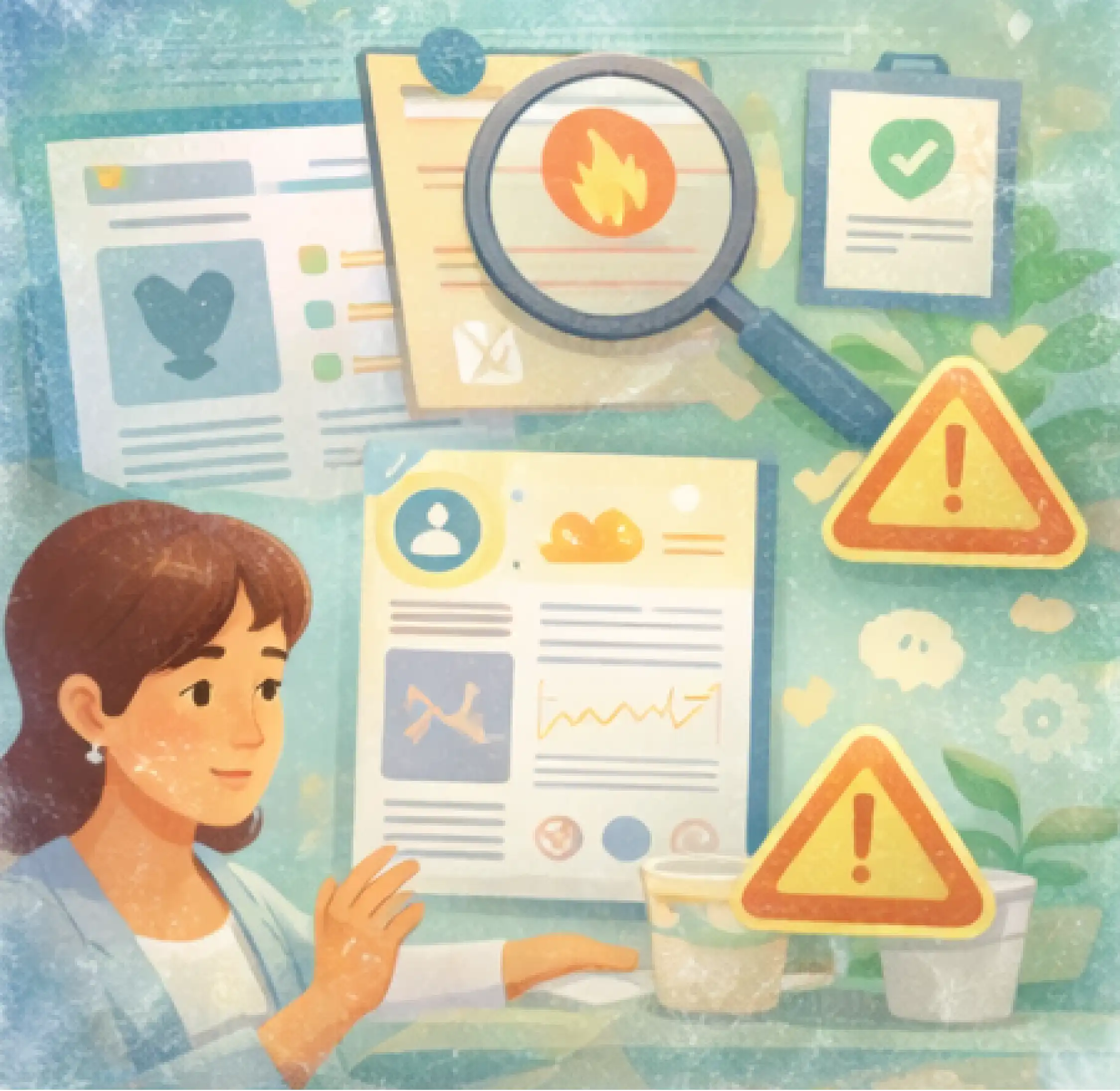

The Biggest Surprise in Corporate Mental Health Today? HR Can Spot a Struggling Employee Weeks Before Anyone Notices
If you’ve ever worked in a corporate environment, you know how easy it is for people to hide what they’re going through. Employees smile in meetings, complete their tasks, respond politely, and show up on time — all while silently drowning in stress, anxiety, burnout, or personal emotional battles. But what most employees don’t realise is this: before they break down, their patterns change — and screening tools can catch these changes early. Not to label. Not to judge. Not to punish. But to prevent collapse. Modern HR isn’t waiting for someone to hit rock bottom before offering support. Companies today use structured mental health screening tools — like the ones Mr. Psyc builds — to understand risk levels objectively and intervene before the damage becomes severe. This shift is saving careers, improving workplace culture, and protecting organisations from turnover, burnout, and crisis-level incidents. Let’s understand how.Why HR Needs Screening Tools in the First Place
HR teams are not therapists. Managers are not counsellors. Leaders are not trained psychologists. Yet every corporate team is full of:- overwhelmed employees
- anxious performers
- exhausted managers
- emotionally overloaded teams
- workers silently battling personal difficulties
- understand risk
- identify early signs
- create personalised support
- reduce burnout
- manage workloads fairly
- maintain team stability
- protect employee wellbeing
- avoid emotional crises
How Screening Tools Actually Work (Without Feeling Intrusive)
Many employees worry screening tools will read their minds or judge their performance. But professional tools are:- scientific
- anonymous
- ethical
- confidential
- based on validated psychological models
1. Employees take short, structured questionnaires
These are not random quizzes. They are standardized, validated tools based on:- anxiety measures
- burnout indicators
- depression cues
- stress patterns
- sleep and fatigue cycles
- emotional regulation
- workplace environment experience
2. The system calculates a risk score
The algorithm doesn’t give diagnoses. It identifies:- low risk
- medium risk
- high risk
- urgent support flag
3. HR never sees personal answers
Only overall insights — not employee confessions — are visible. Privacy remains protected.4. Employees get personalised recommendations
For example:- “You may benefit from counselling support.”
- “Your stress indicators are elevated.”
- “Your burnout risk is high — consider a break.”
- “You might need help with work-life balance.”
5. HR uses aggregated data
Not to monitor people. But to:- improve team wellbeing
- adjust workloads
- train managers
- detect toxic environments
- strengthen support systems
What High-Risk Employees Typically Show — Long Before Burnout Hits
You’d be surprised by how predictable emotional decline is when viewed through screening data. Early signs include:- difficulty concentrating
- irritability
- extreme fatigue
- loss of interest
- emotional numbness
- withdrawal from colleagues
- increased mistakes
- difficulty sleeping
- chronic stress response
- reduced self-esteem
The Biggest Advantage: Screening Tools Detect Patterns That People Hide
HR professionals often say: “Employees will never tell us they’re struggling until the last moment.” This is true. People hide emotional difficulties due to:- fear of judgement
- fear of losing opportunities
- fear of being seen as weak
- fear of job impact
- cultural stigma around mental health
- conditioning to “push through pain”
- anonymity
- non-judgment
- privacy
- science-based assessments
How HR Intervenes Once Screening Reveals High-Risk Employees
Contrary to popular fear, HR does not fire, punish, or penalise high-risk employees. Instead, responsible organisations follow a structured support model.1. Offer counselling sessions (EAP)
Employees are given access to:- psychologists
- counsellors
- mental health experts
- telehealth platforms
2. Workload adjustments
Based on risk levels:- deadlines may be adjusted
- responsibilities rebalanced
- overtime discouraged
- flexible working offered
3. Manager sensitisation
HR coaches managers on:- communication style
- empathy
- listening
- workload distribution
- conflict management
4. Follow-up screenings
To track improvement and support progress.5. Team-level interventions
If screenings show multiple employees in high-risk zones, HR addresses:- toxic team culture
- poor leadership
- unclear expectations
- excessive pressure
- lack of recognition
Examples of How Screening Changed Real Corporate Outcomes
Let’s explore realistic scenarios.Case 1: An Employee About to Quietly Quit
Screening reveals high emotional fatigue. HR reaches out, workload is adjusted, the employee receives counselling — and stays, instead of quitting.Case 2: A Team With Hidden Burnout
Half the team reports high anxiety + low engagement. HR identifies the issue: a manager with harsh communication. The manager receives coaching. Team engagement rises again.Case 3: Rising Stress in a Fast-Growth Startup
Screening shows widespread sleep issues & chronic work pressure. Company implements:- “No meeting Fridays”
- realistic deadlines
- digital detox hours
- well-being sessions
Why Screening Tools Are Becoming a Corporate Standard
In the next 5 years, every modern organisation will adopt some form of mental health screening. Why? Because:- burnout is costly
- turnover is expensive
- errors damage business
- emotional breakdowns affect culture
- productivity depends on wellbeing
- employees perform best when mentally supported