
The Most Life-Saving Thing in Modern Mental Health Isn’t a Therapist or a Psychiatrist — It’s a Number Your System Calculates in Seconds
If you’ve ever taken an online mental health screening — whether for anxiety, depression, stress, addiction, or emotional wellbeing — you might remember answering a series of short, simple questions. Nothing too personal, nothing too dramatic, just straightforward choices like “Never, Sometimes, Often, Always.” But behind those simple options, something powerful is happening. Something far more scientific, far more structured, far more protective than most people realise. Every answer you choose quietly contributes to a risk score. That score isn’t judging you. It isn’t diagnosing you. It isn’t labelling you. It’s doing something smarter — calculating your level of emotional risk so the system knows whether you need gentle self-help, standard counselling, or urgent psychiatric attention. This single number — this risk score — is often the difference between early intervention and delayed crisis. Let’s uncover how it works, why it works, and why every modern mental health platform (including Mr. Psyc) depends on it.Your Answers Aren’t Just Answers — They’re Data Points That Tell a Story
Risk scoring begins long before you even see the questions. Psychologists and system designers first map out the symptoms, behavioural patterns, warning signs, and emotional indicators related to a particular condition. For anxiety, they map:- worry patterns
- physical symptoms
- avoidance behaviour
- cognitive overload
- panic signals
- sleep disturbance
- mood consistency
- hopelessness
- interest loss
- emotional numbness
- energy collapse
- self-worth issues
- compulsive patterns
- tolerance levels
- withdrawal symptoms
- cravings
- daily interference
The Logic Behind Risk Scoring: Every Symptom Has a Weight
Not all symptoms are equal — and screening tools know that. For example:- Feeling low occasionally = mild indicator
- Feeling hopeless for two weeks = high-risk indicator
- Worrying a little = mild
- Panic attacks = high
- Checking your phone often = low
- Feeling unable to stop even when it harms you = high
- severity
- frequency
- duration
- functional impact
- safety concerns
Risk Scores Don’t Predict Disease — They Predict Danger
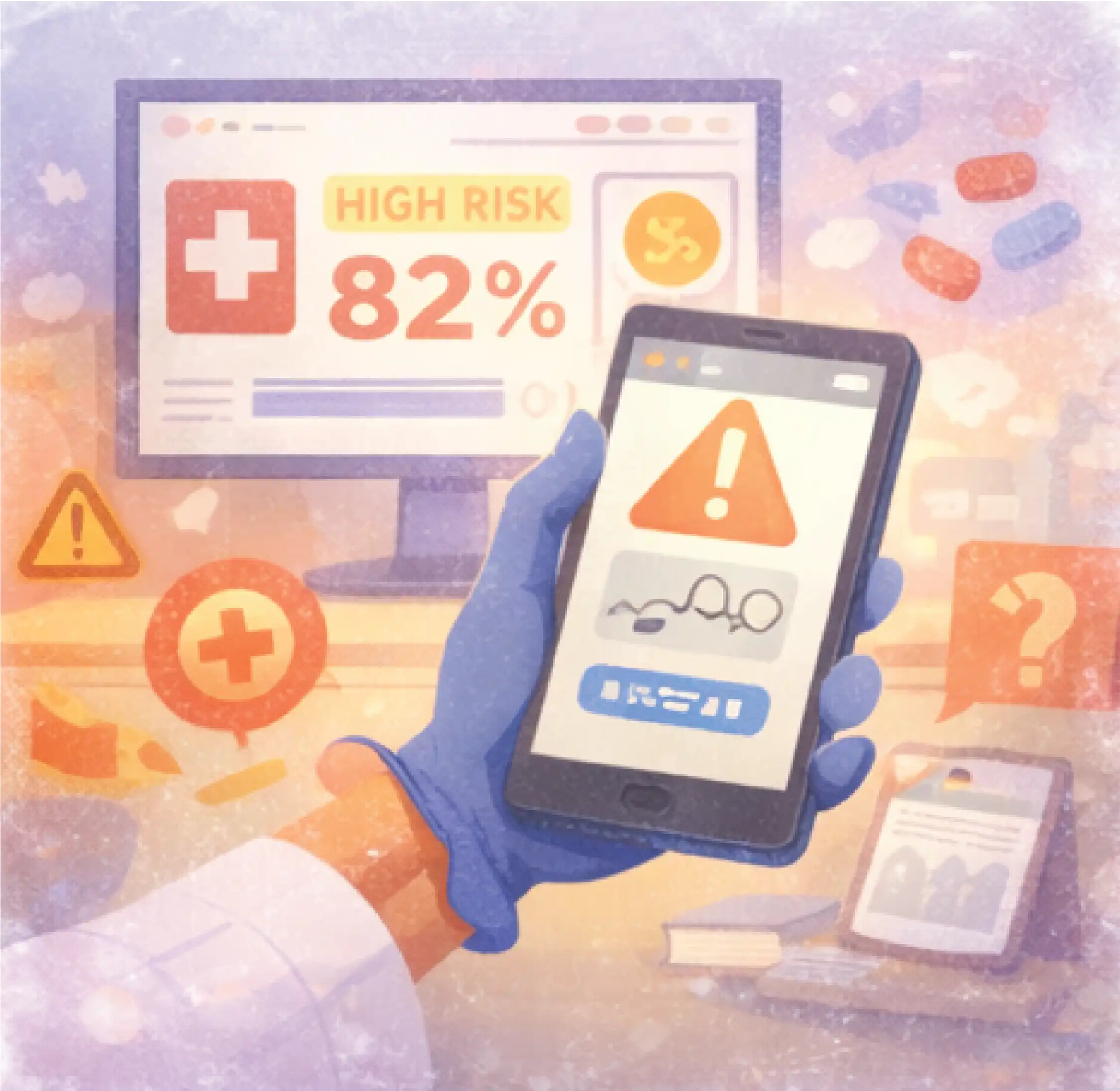
This is the most misunderstood part. A risk score does NOT mean: “You have depression.” “You have anxiety.” “You are addicted.” A risk score simply means: “How urgently do you need support?” There are typically three categories:Low Risk (Green Zone)
Normal emotional fluctuations. Counselling optional.Moderate Risk (Yellow Zone)
Noticeable distress. Counselling recommended.High Risk (Red Zone)
Severe distress, impaired functioning, or safety concerns. Psychiatric referral required. The goal isn’t diagnosis. It’s triage — the same process that hospitals use in emergency rooms. Who needs immediate attention? Who needs standard care? Who needs monitoring? Who can safely self-manage? Mental health platforms now use the same logic — because timely support can prevent crises.Automation Isn’t Cold — It’s Protective
People sometimes assume automated risk scoring is “too mechanical” or “impersonal.” But in truth, it protects individuals from:- delayed help
- misjudged severity
- emotional bias
- underplaying symptoms
- overestimating their coping
- self-blame
Why Humans Often Miss Red Flags but Systems Don’t
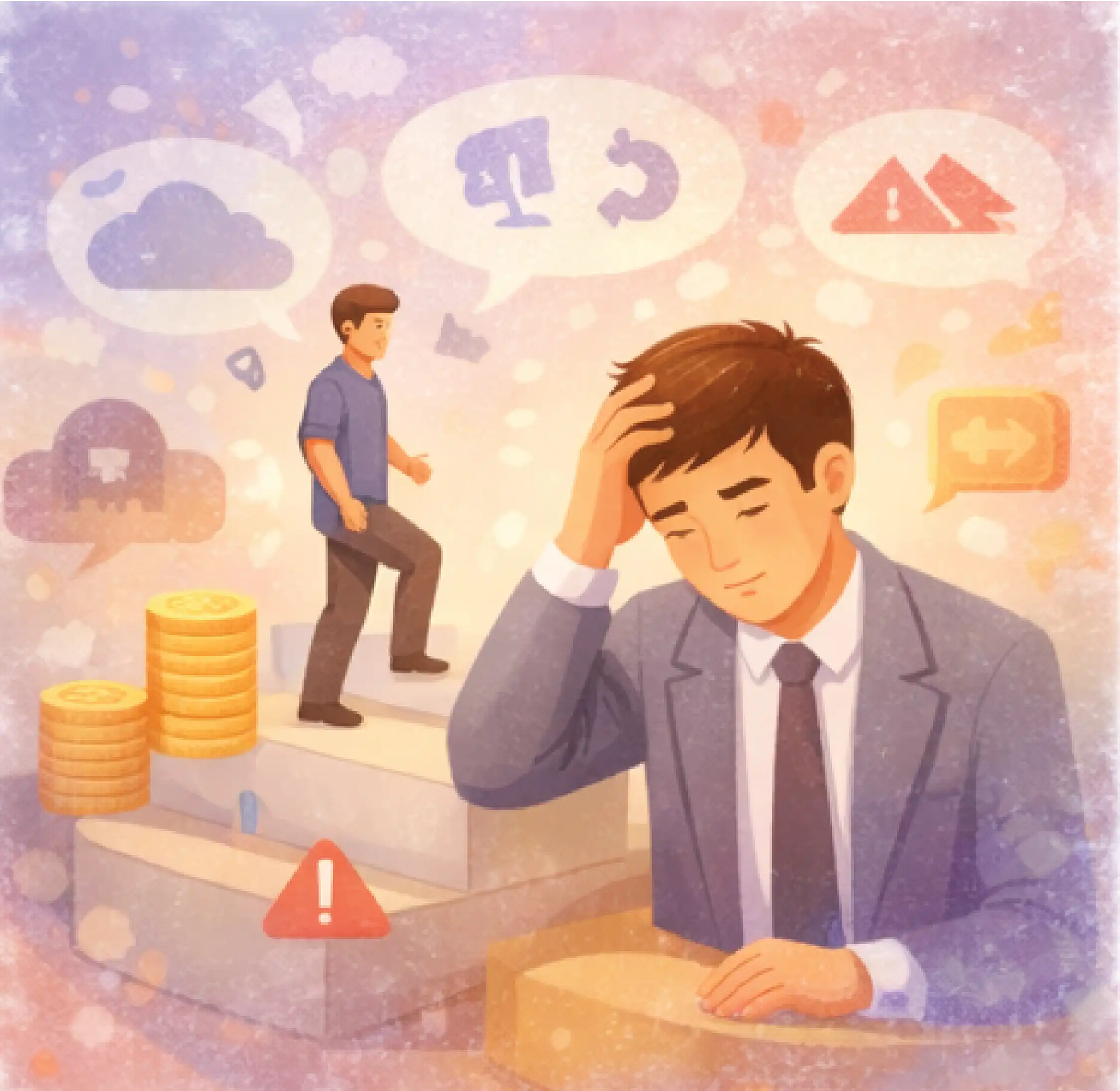
People underestimate or misinterpret their own symptoms:- “I’m just stressed — nothing serious.”
- “I can handle this.”
- “It’s been a bad week.”
- “Maybe I’m overthinking.”
How Urgent-Risk Detection Works Behind the Scenes
High-risk scores are triggered automatically if a user reports:- suicidal thoughts
- hallucinations
- inability to function
- severe panic
- self-harm tendencies
- dangerous impulsive behaviour
- extreme mood swings
- trauma-induced shutdown
- inability to control addiction
- faster clinical attention
- immediate referral
- rapid follow-up
- crisis prevention
Why Risk Scoring Makes Counselling More Effective
Counsellors love having risk scores before a session because it helps them:- understand severity
- prepare clinical questions
- identify areas of distress
- decide session goals
- plan deeper assessments
- evaluate risk history
- avoid delays in intervention
Risk Scoring Isn’t About Labels — It’s About Direction
Think of it this way: Your score doesn’t define you. It guides you. A high risk score doesn’t say: “You’re broken.” It says: “You deserve immediate support.” A moderate score doesn’t say: “You’re weak.” It says: “Your mind is asking for help before it becomes worse.” A low score doesn’t say: “You’re perfectly fine.” It says: “You’re functioning well — let’s keep it that way.” Risk scoring is a compass — not a diagnosis.The Future of Mental Health: Automated Triage + Human Care
The most effective mental health systems combine:- automated risk scoring
- clinician review
- counsellor sessions
- psychiatrist oversight
- ongoing nurturing
- progress tracking
- no cry for help goes unheard
- no symptom is ignored
- no person is left unsupported
- no crisis arrives unpredicted