
“Why Do I Push People Away… Even When I Want Them Close?”
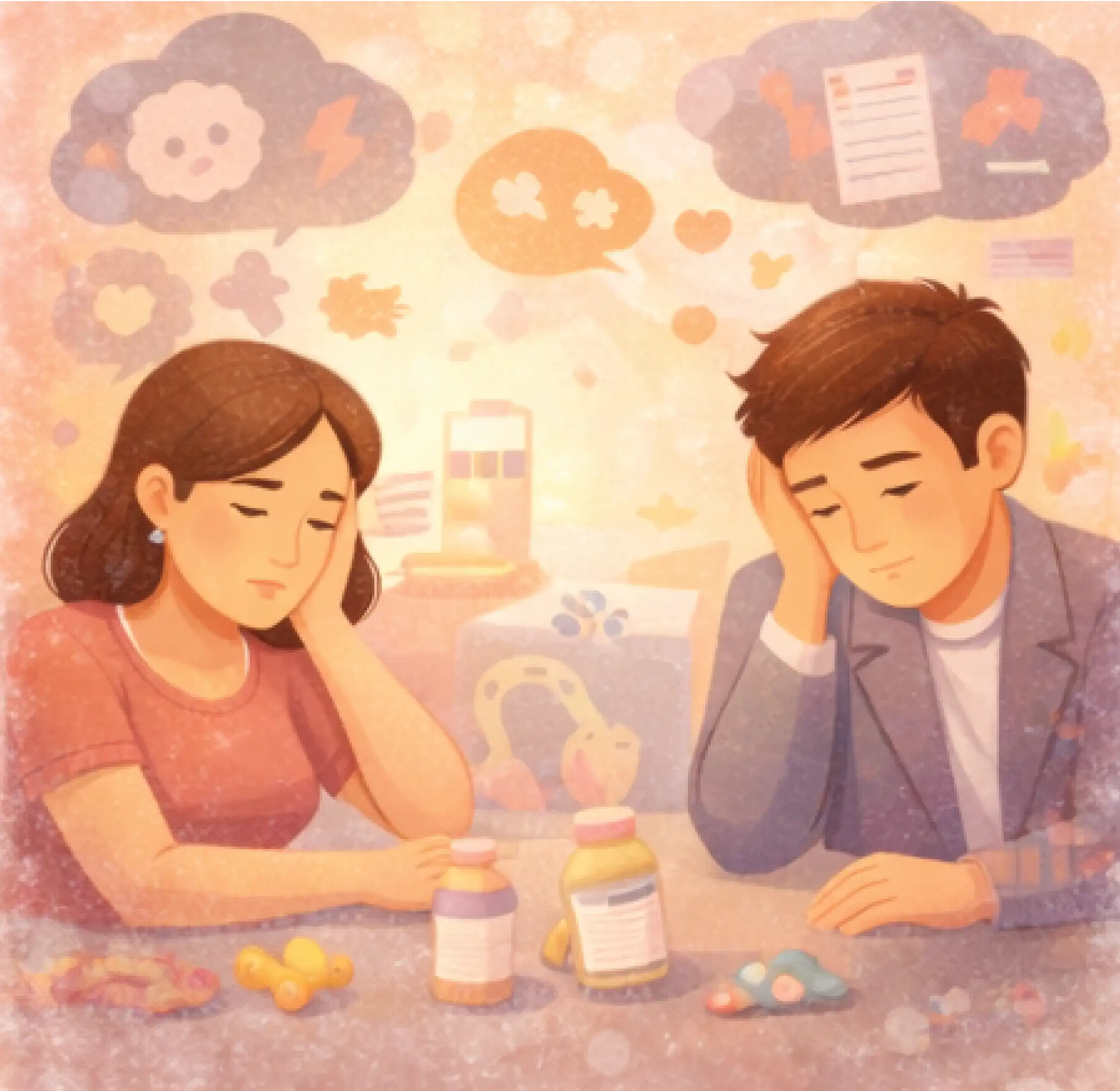
Ever found yourself reacting in ways that even you can’t explain? Like shutting down during an argument, avoiding conflict at all costs, or spiraling into fear when someone gets “too close”? You’re not overreacting. You’re responding from a place your mind still remembers — even if your adult self doesn’t. Because the truth is: Unresolved childhood trauma doesn’t disappear. It just hides — in the way we love, attach, defend, and distance. Let’s unpack how these early wounds shape adult relationships… and how therapy helps break the cycle.Trauma Doesn’t Start in the Relationship — But It Shows Up There
Many people walk into relationships believing that love will fix them. But instead, love often reveals the very wounds that haven’t healed yet. That’s because relationships trigger:- Old fears of abandonment
- Hypervigilance from past neglect
- Deep discomfort with vulnerability
- Trust issues that aren’t about the current person
Common Childhood Traumas That Echo Into Adulthood
Trauma isn’t just abuse. It can also be:- Being constantly criticised or shamed
- Never feeling emotionally safe to express yourself
- Living in unpredictable or volatile households
- Feeling responsible for adult emotions as a child
- Emotional neglect (not being seen or heard)
How This Trauma Plays Out in Relationships
Here are some ways unresolved childhood trauma leaks into our adult connections:1. Fear of Abandonment
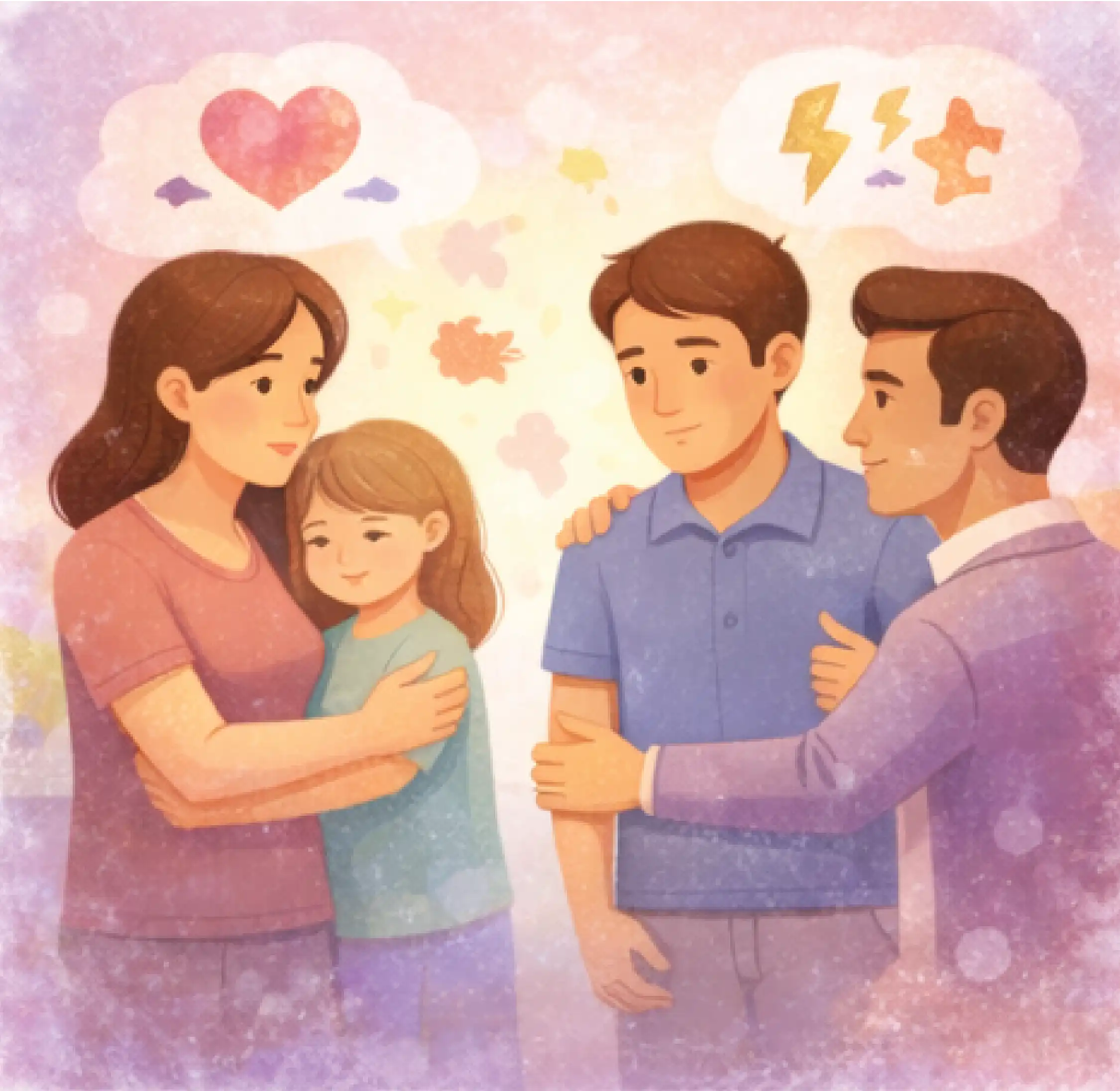
You might cling to a partner, panic when they’re distant, or interpret silence as rejection.2. Emotional Shut–Down
You disconnect easily. You find emotions messy, overwhelming — or dangerous.3. Over-Responsibility
You feel the need to fix everything. You apologise for others’ emotions. You can’t rest unless everyone’s okay.4. Sabotaging Good Relationships
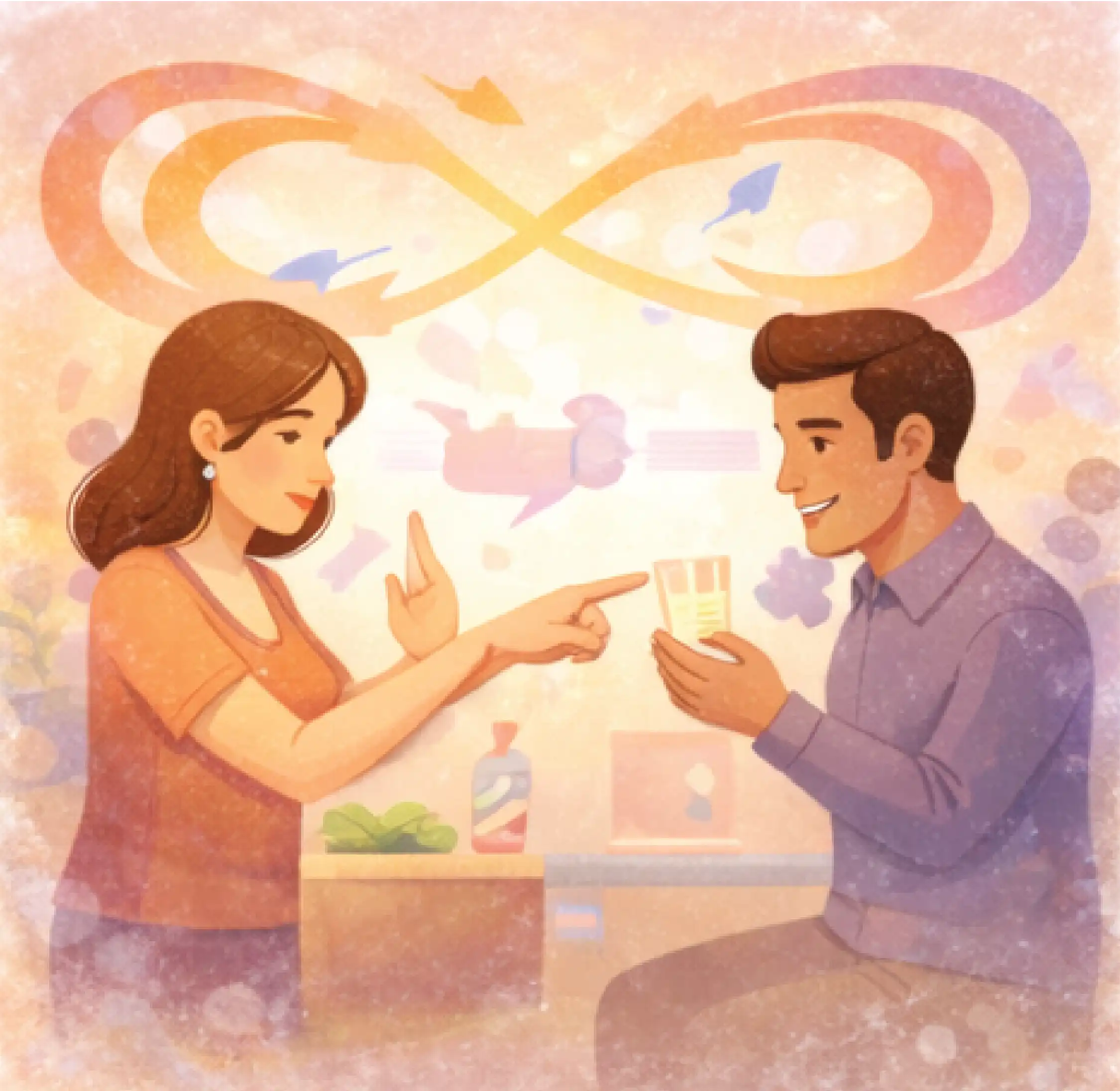
When someone is kind, consistent, and loving — you find it “too much.” Because safety feels unfamiliar… and your system doesn’t trust it.5. Constant Conflict or Withdrawal
You get easily triggered, lash out, or withdraw into silence — not because you want to, but because it feels like survival. These patterns are not personality defects. They are protective adaptations — ones that were useful once, but now prevent deeper intimacy.A Case Study: “I Don’t Know Why I Always Pick the Wrong People”
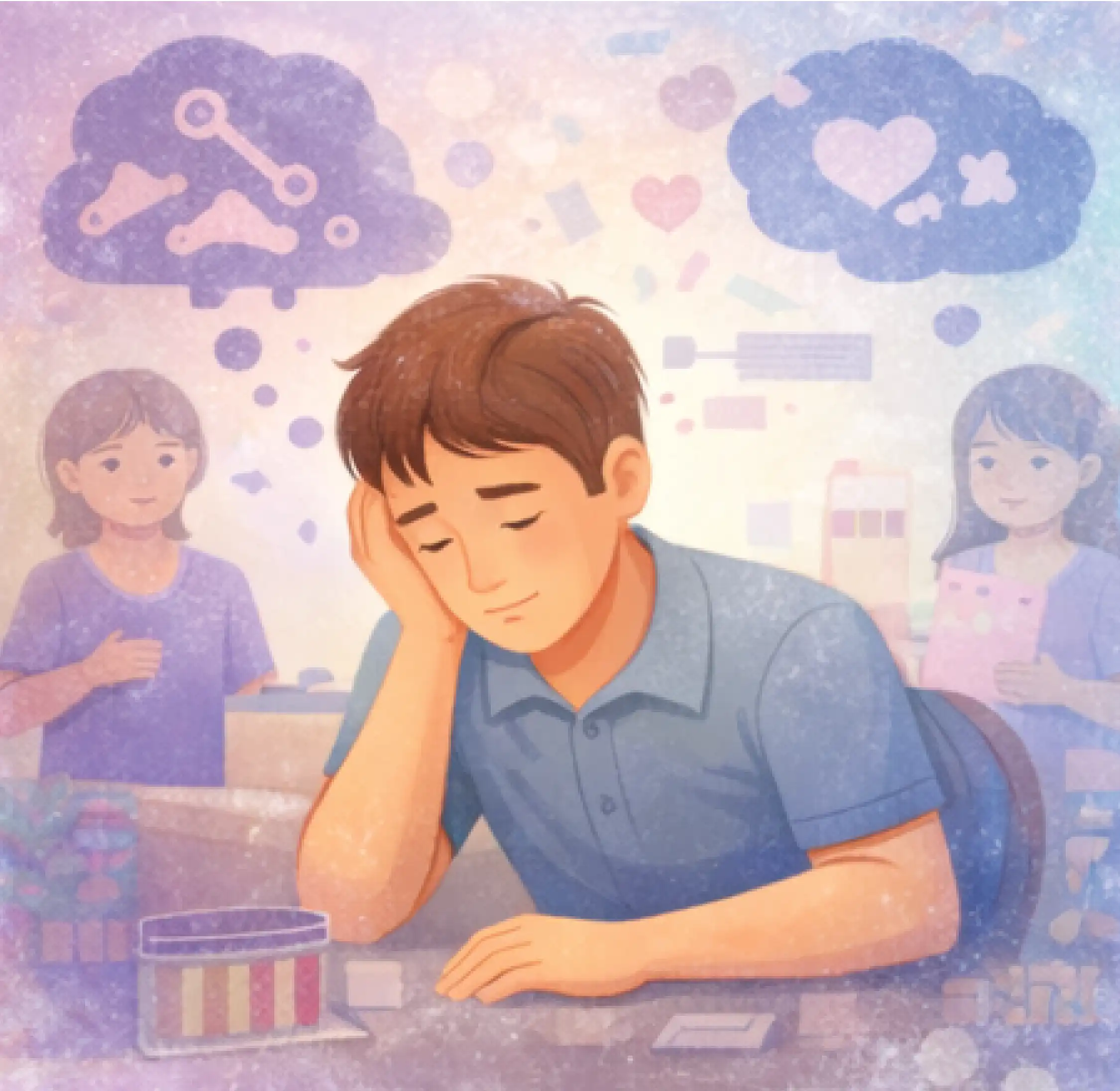
This is something counsellors hear often. Take “Riya” (name changed). She grew up in a home where love was conditional — only shown when she achieved or obeyed. Now, as an adult, she chooses emotionally distant partners. She overfunctions, avoids asking for her needs, and fears being “too much.” Each relationship ends with the same script: burnout, resentment, loneliness. In therapy, Riya began to see the emotional echo between her childhood and current patterns. With support, she learned to:- Set boundaries
- Ask for emotional presence
- Stop equating love with self-sacrifice
What Therapy Actually Does for Trauma-Rooted Relationship Patterns
Therapists don’t just help you “talk it out.” They help you feel safe enough to explore the emotional roots without self-blame.In sessions, counsellors help clients:
- Identify patterns of reaction vs response
- Understand attachment styles (anxious, avoidant, disorganised)
- Heal emotional flashbacks (reacting to now as if it’s then)
- Learn emotional regulation tools (nervous system calm-down techniques)
- Rebuild trust — in others and in your own emotional instincts
Rewiring the Emotional Blueprint: Healing Is Possible
You don’t have to stay stuck in the same emotional loops forever.Here’s what recovery looks like:
- You begin recognising triggers without being hijacked by them
- You become more curious than defensive
- You stop ghosting or chasing — and start communicating
- You feel safer being emotionally naked, not just physically present
- You choose partners from a place of self-worth, not trauma bonding