“I Can Stop Anytime I Want…” — But the Brain Tells a Different Story
They say they’re just trying it once. They say they’re in control. They say it helps them relax. And maybe that’s true. For now. But as days turn into patterns, and patterns turn into dependence, the truth becomes harder to ignore: This isn’t about fun anymore. This is about escape — and the brain has learned to chase numbness over healing. Why does the brain crave substances in the first place? What actually happens inside when someone can’t stop, even when they want to? Let’s break down the psychology behind substance use — and why it’s not about weakness. It’s about wiring.Substance Use: More Than Just “Bad Choices”
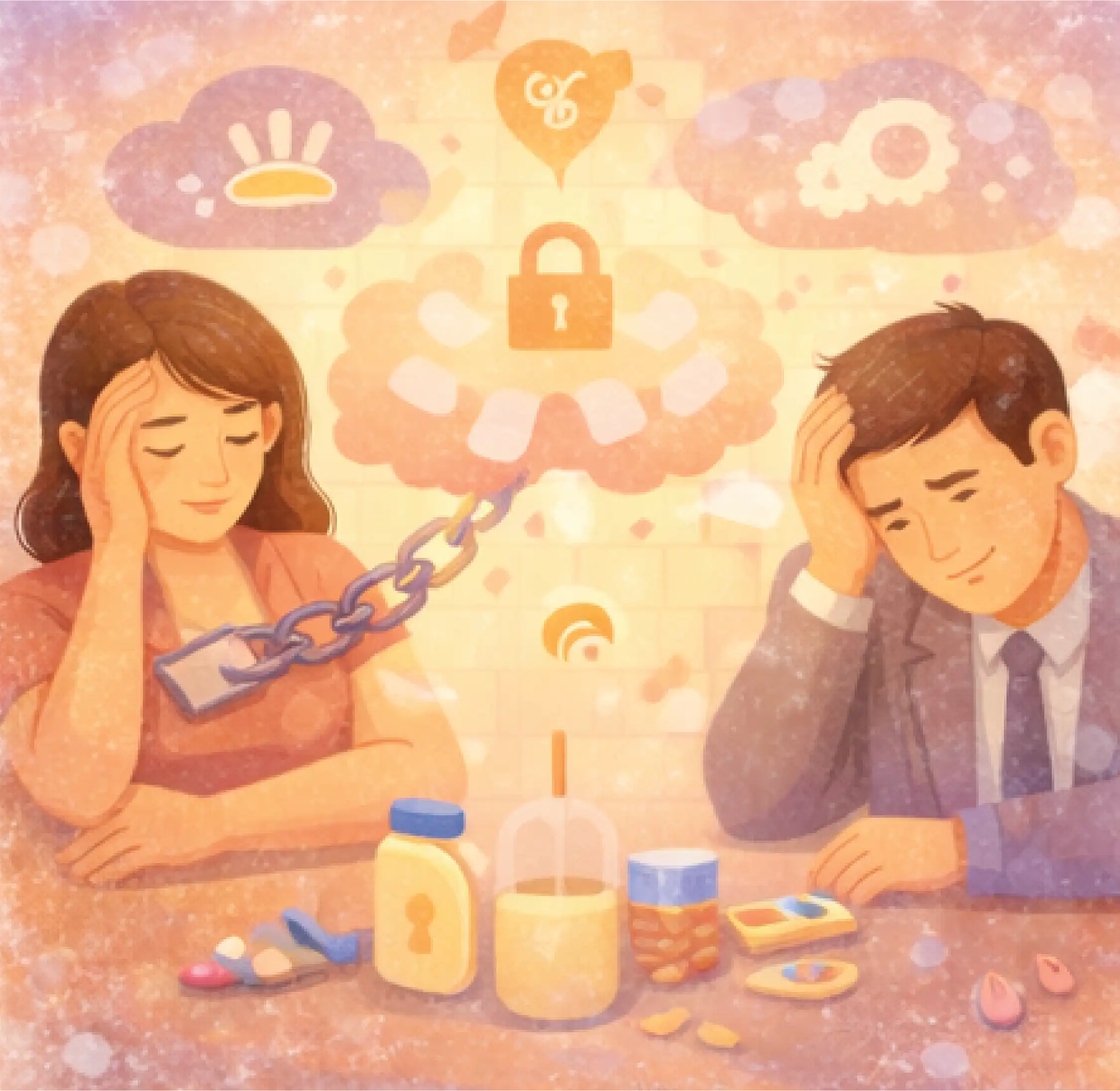
Whether it’s alcohol, cannabis, nicotine, or prescription abuse, the root of substance use is rarely about the substance itself. It’s about what it replaces:- A sense of peace
- A moment of relief
- A feeling of belonging
- A switch-off from pain
- A pause from pressure
The Brain’s Role: Pleasure Hijacked, Pain Delayed
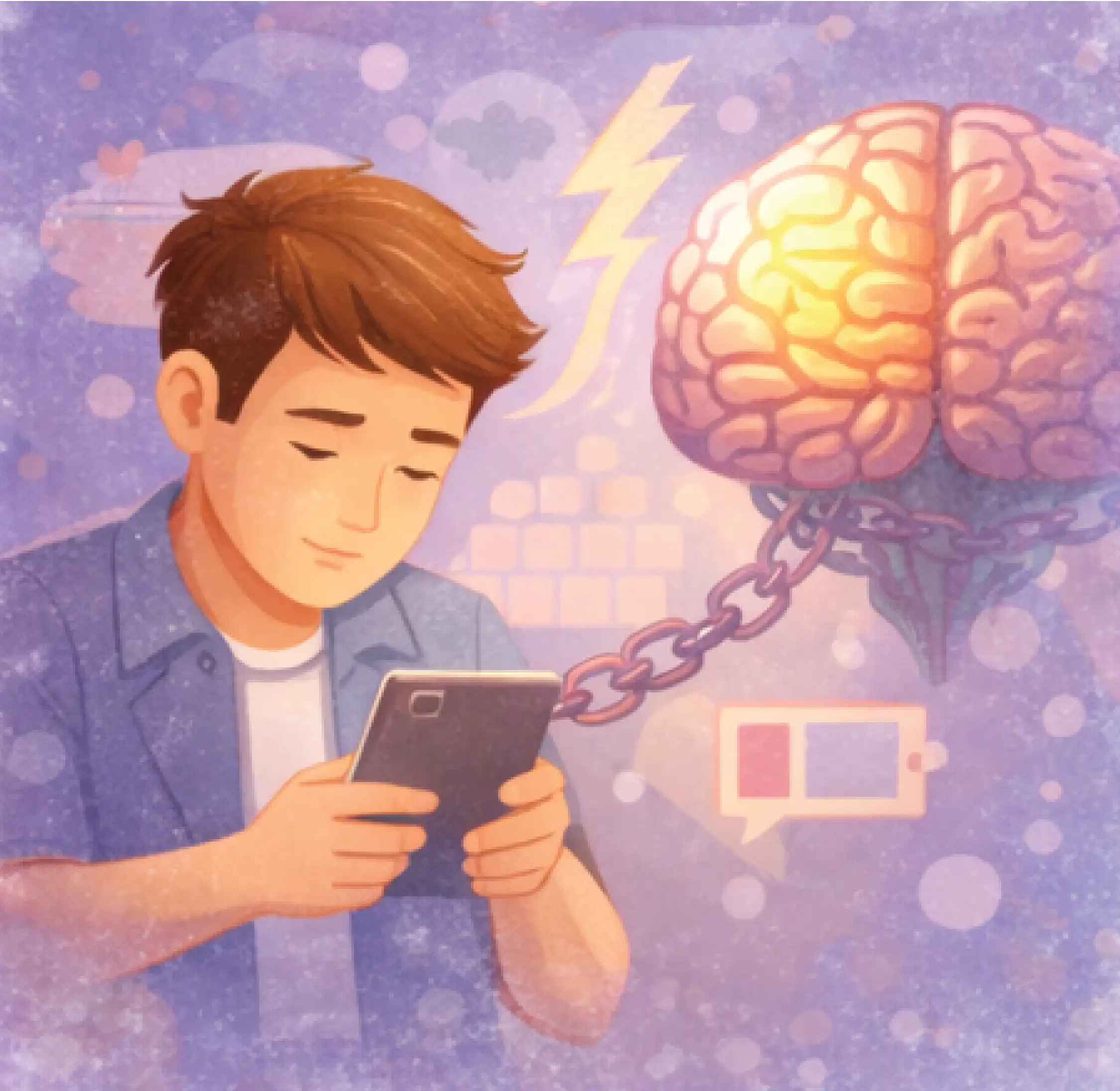
Here’s the neuroscience in plain English:- Your brain has a reward system (mainly dopamine-driven).
- It also has pain processors (that detect emotional and physical discomfort).
- Substances create a shortcut — a chemical override — that gives instant pleasure, reduces perceived pain, and numbs stress.
- Reduce its natural dopamine production
- Raise the threshold for pleasure
- Crave the substance to function at “normal”
Escape is a Symptom, Not the Root
From years of counselling analysis and psychometric mapping, here’s what we’ve seen as common root triggers that lead people — especially teens — toward substance use:Emotional Neglect
When emotions aren’t acknowledged, named, or validated, teens seek external numbing agents.Peer Pressure & Belonging Gaps
The need to fit in can override the voice of reason. “If I don’t, I’m an outsider.”Performance Anxiety
Constant fear of failure (in academics, social standing, or body image) makes substances seem like a pause button.Family Conflict or Trauma
When home isn’t emotionally safe, the brain craves another place to escape to. Substances create that false sanctuary.Genetic & Neurological Disposition
Some brains are biologically more reward-sensitive, especially those with ADHD or impulsive traits — making addiction cycles faster and harder.Why Lectures Don’t Work — But Empathy Does
Telling a teen or adult: “You’ll ruin your life.” …might be true. But it doesn’t break the pattern. Why? Because most users already carry guilt. Shame fuels silence. Silence deepens the loop. The brain avoids more pain. And the cycle continues. What they need isn’t more fear. What they need is someone who says: “I don’t want to fix you. I want to understand what’s hurting.”At Mr. Psyc: We Decode Behavioural Escape Routes
Our structured psychometric screenings and counselling models don’t just ask, “What are you using?” We go deeper with questions like:- “What emotion does the substance help avoid?”
- “When did the usage start — and what was happening then?”
- “What’s the brain trying to regulate with this behaviour?”
- “What real reward is missing from their offline life?”