
“Just Control Yourself!” — The Most Dangerous Advice in Addiction
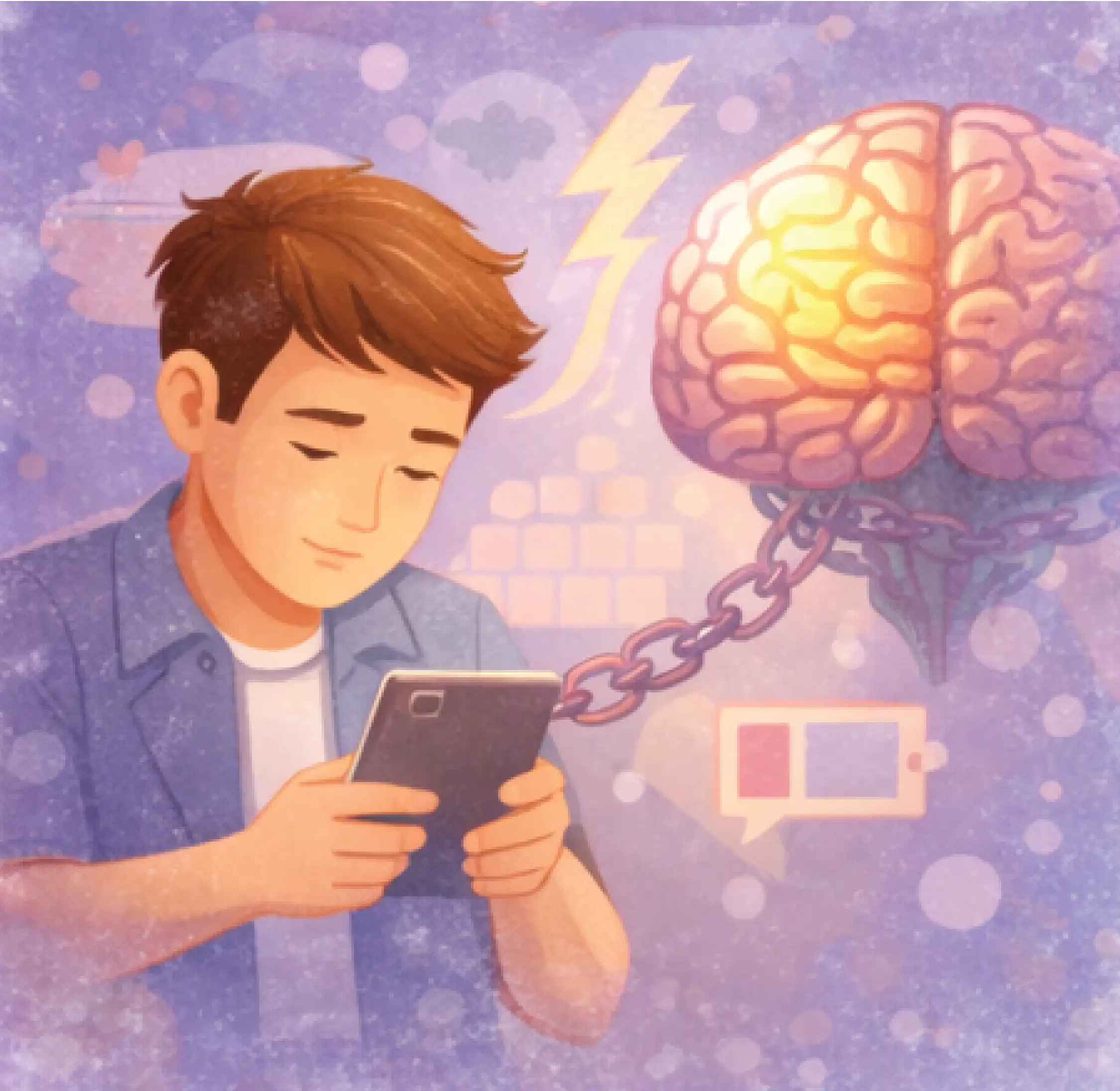
If willpower worked, nobody would be addicted. If logic worked, nobody would relapse. And if shame cured addiction, we’d have solved it decades ago. But here we are — watching people we care about say things like: “I swear, this is the last time.” “I’m stronger than this.” “I can stop whenever I want.” Until they can’t. Again. Addiction is not a character flaw. It’s not a lack of morals, intelligence, or strength. It’s a behaviour loop coded deep into the brain. So the solution isn’t yelling louder. It’s re-coding the loop. That’s what behaviour conditioning does — and why it’s the therapy-backed path that actually works.The Myth of Willpower: Why Brains Don’t Obey Discipline Alone
Here’s what people misunderstand: Willpower is a short-term, conscious effort. Addiction is a long-term, subconscious pattern. It’s like trying to stop a moving train with a Post-it note. The intention is real, but the system is too strong. Let’s break it down:- Willpower relies on the prefrontal cortex (logic, planning)
- Addiction operates in the limbic system (emotion, reward, habit)
What Actually Happens During Addiction: A Behavioural Model
Addiction creates a reinforced loop in your brain: Trigger → Behaviour → Reward → Relief → Craving Again Each time this cycle repeats, the brain gets better at doing it automatically — without needing permission from your conscious mind. This is where willpower dies: It shows up late, trying to interrupt a loop that’s already halfway complete. So when counsellors say, “You don’t need more control — you need a new loop,” this is what they mean.How Behaviour Conditioning Reprograms Addiction Patterns
Let’s switch lenses. Instead of “fighting the urge,” behaviour conditioning says: Let’s understand the urge, decode its function, and build a better replacement. This is the Mr. Psyc method — using science-backed psychology, not guilt trips.Here’s how behaviour conditioning works:
1. Identify the Real Trigger
Addiction doesn’t begin with a substance or screen. It begins with an emotional state: boredom, stress, shame, loneliness, overstimulation. We use psychometric screening and talk therapy to pinpoint the precise emotion behind the behaviour. Example: A teen addicted to gaming isn’t escaping the game — he’s escaping performance pressure.2. Map the Reward That’s Being Chased
The brain doesn’t chase the cigarette, drink, or screen. It chases the relief it brings. This could be:- Silence from mental noise
- A break from expectations
- A sense of control
- A feeling of belonging
3. Create a New Reward Loop
Now comes the science. We introduce a replacement behaviour that offers the same emotional reward but in a healthy, sustainable way. Instead of punishing the old loop, we feed the brain with a new one. Example: A stressed employee who drinks nightly is trained to use movement, music, or journaling as emotional release — with support tracking. This is called counter-conditioning — and it works because the brain doesn’t need the old behaviour when it’s getting the same reward elsewhere.4. Use Micro-Wins to Reinforce Confidence
Addiction shatters self-trust. So we build it back — not with speeches, but with small, visible wins. 1 day without a relapse 3 urges resisted 1 emotional trigger handled differently Counsellors track these not as results, but as evidence of rewiring. Every win, no matter how small, tells the brain: “You are changing.”Why This Method Works Long-Term (When Willpower Doesn’t)
- It speaks the brain’s native language: habit loops
- It removes shame and builds safety
- It reinforces confidence instead of punishment
- It accounts for relapse as data, not failure