
“I Think I’m Getting Better… Right?”
You’ve been in therapy for a few weeks. You’re showing up. You’re talking more. Maybe even sleeping better. But then comes the question you don’t know how to answer: “Am I actually improving — or just adapting?” That’s the strange part about healing the mind — it rarely announces itself. No beeping monitor. No fever reduction. No “green tick” from your therapist. Mental health progress is slippery, sneaky, and sometimes invisible to the person experiencing it. But scientifically? Improvement has patterns. It has data. It has clear, measurable shifts — when you know what to look for.Why “Feeling Better” Isn’t the Only Metric
Most people judge progress in therapy based on:- Feeling lighter
- Crying less
- Smiling more
- Sleeping better
- Having “good days”
So, What Does ‘Improvement’ Actually Look Like?
Let’s break down the 5 scientific markers of real therapeutic progress.1. Behavioural Change Patterns
At the core of therapy is behavioural change — not just emotional awareness. You’re improving when:- You respond differently to familiar triggers
- You pause before reacting instead of spiralling
- You begin choosing discomfort over avoidance
- You initiate repair conversations instead of shutting down
2. Reduction in Symptom Intensity & Frequency
You might still feel anxious — but:- Are the panic episodes shorter?
- Do they happen less often?
- Is the intensity lower than before?
- Are your low days fewer?
- Is the emotional paralysis reducing?
- Do you bounce back quicker?
3. Improved Cognitive Flexibility
Improvement isn’t just about changing emotions. It’s about changing thinking styles. In therapy, you start to:- Notice your own cognitive distortions
- Pause black-and-white thinking
- Spot the “story” behind the reaction
- Reframe failure or rejection
4. Higher Functioning in Daily Life
Therapy doesn’t only heal the mind. It stabilises your functioning. You know you’re improving when:- You’re meeting deadlines again
- You’re managing responsibilities with less emotional cost
- You’re engaging socially (even a little)
- You’re making decisions without freezing
5. Increased Emotional Awareness & Regulation
You’re not “fixed” when you never feel anxious or sad. You’re improving when you can say: “I’m anxious — but I know why, and I know what to do about it.” That’s emotional regulation. It’s one of the strongest indicators of long-term stability — and it often arrives before full symptom reduction.Therapists Look for Trajectory, Not Perfection
Therapists are trained to look beyond your emotions and into your:- Language
- Energy
- Response to feedback
- Goal orientation
- Interpersonal shifts
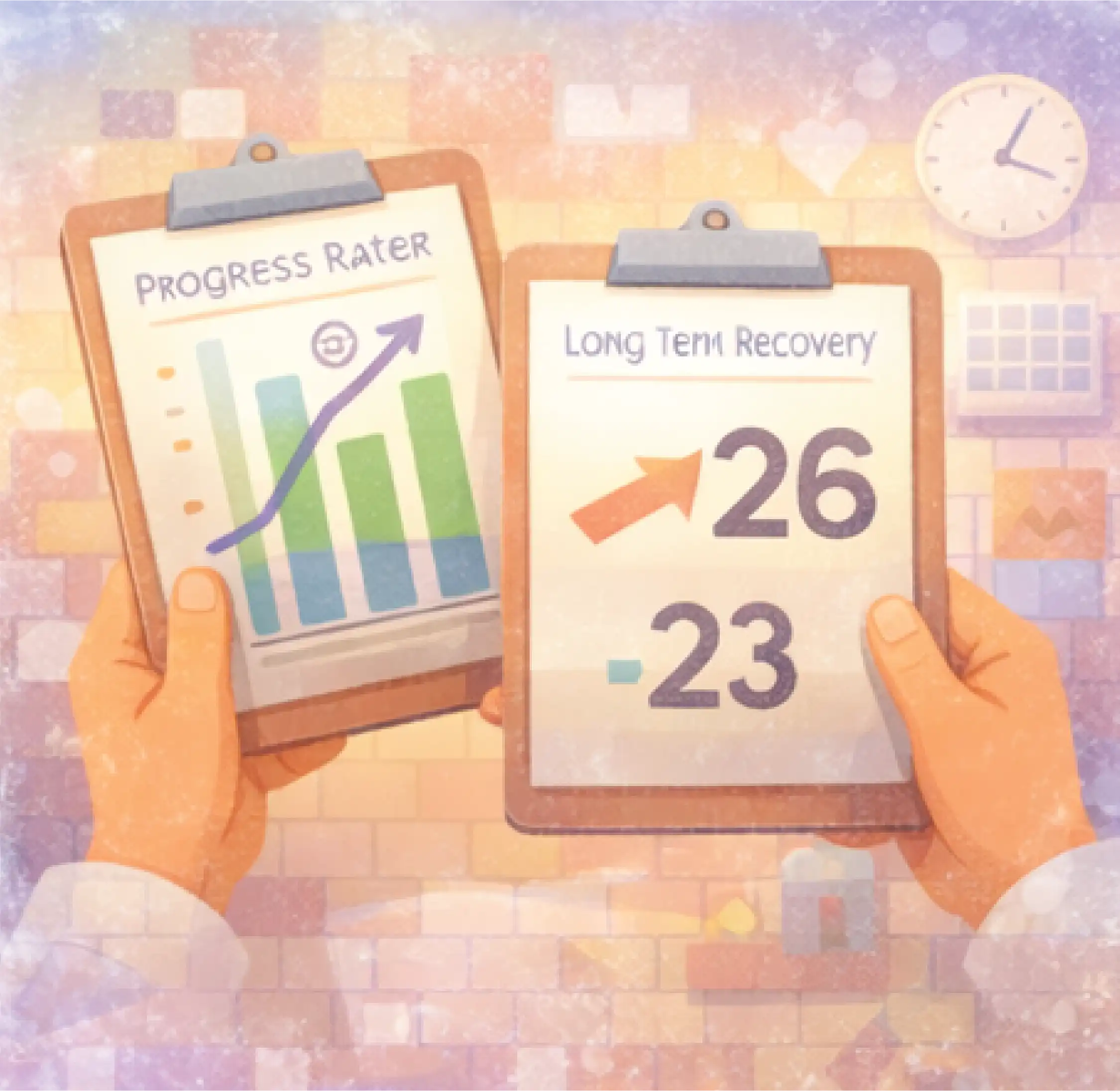
Measurement Tools That Track Improvement
At Mr. Psyc, we use several scientific tools to track recovery, such as:- DASS-21 (Depression, Anxiety, Stress Scale)
- PHQ-9 (for depression)
- GAD-7 (for anxiety)
- WSAS (Work and Social Adjustment Scale)
- Mood and coping logs
- Session-by-session feedback
- Resilience & progress indexes
- See how far they’ve come
- Catch warning signs early
- Stay motivated even when they “feel” stuck
- Adjust plans based on real-time patterns
“But I Don’t Feel Better Yet…” — That’s Normal Too
Progress in therapy isn’t linear. You might improve functionally before feeling emotionally better. You might stop overreacting — but still feel flat. You might make huge internal shifts… that your emotions haven’t caught up with yet. That’s not failure. That’s timing. The nervous system lags. Emotional recalibration is slower than behavioural change. But it will come — if the trajectory is right.Real Examples of Invisible Progress
A client with panic attacks still felt on edge — but their episodes went from 5x a week to 1x. Progress. A burnout client felt unmotivated — but completed 3 tasks they’d been avoiding for months. Progress. A trauma survivor still cried easily — but stopped blaming themselves in the aftermath. Progress. These aren’t just emotional wins. They’re clinically valid recovery signals.Redefining Progress: From “Feel Good” to “Function Better”
Mental health isn’t about smiling all day. It’s about building a brain that works for you — under pressure, in chaos, during conflict. Progress means:- Fewer breakdowns
- More tools
- Better decisions
- Healthier relationships
- Stronger identity
- Clearer inner voice
Final Word: Trust the Process — But Track the Progress
You don’t need to feel amazing every week. You don’t need a dramatic transformation every month. You just need proof that you’re not standing still. And that’s what therapy at Mr. Psyc ensures — through:- Psychometric precision
- Behavioural science
- Triage safety
- Progress visibility