
Why One Counsellor Feels Magical — And Another Leaves You Confused
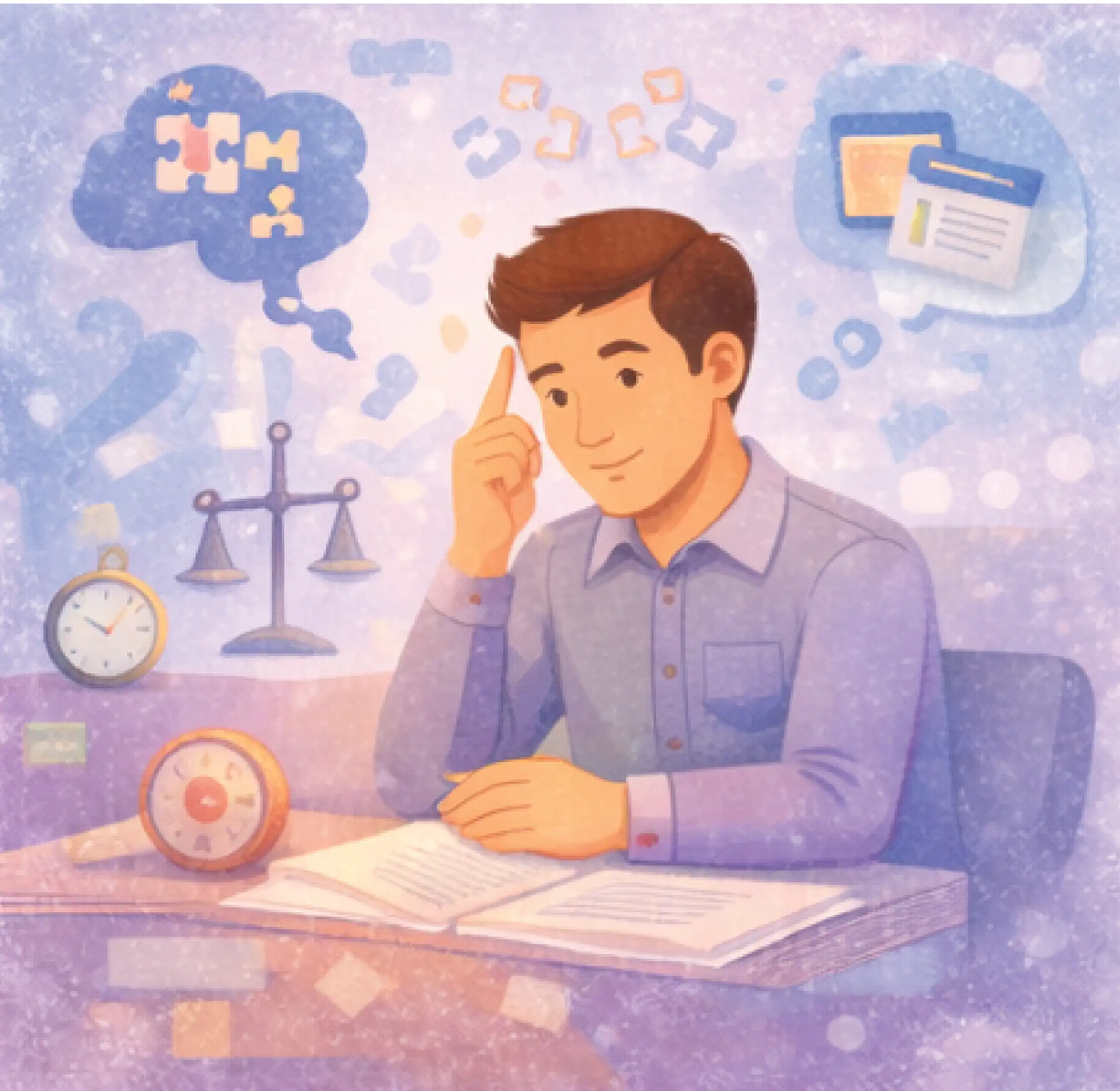
You had two very different experiences. In one session, the counsellor knew exactly where to start. They listened, asked just the right questions, gave structure to your chaos. You left feeling lighter — even hopeful. In the other session, it was… messy. The conversation meandered. You talked a lot — but nothing landed. You left wondering, “Was that it?” Both claimed to be qualified. Both had years of experience. So why the gap? Welcome to the invisible world of counselling SOPs — or the lack of them.The Reality: Counselling Without SOPs Is Like Surgery Without Protocols
In every high-stakes profession — aviation, medicine, law — Standard Operating Procedures (SOPs) guide consistent, safe, and effective action.- Pilots follow pre-flight checklists.
- Surgeons follow procedural workflows.
- Firefighters follow rescue protocols.
What Are Counselling SOPs — Really?
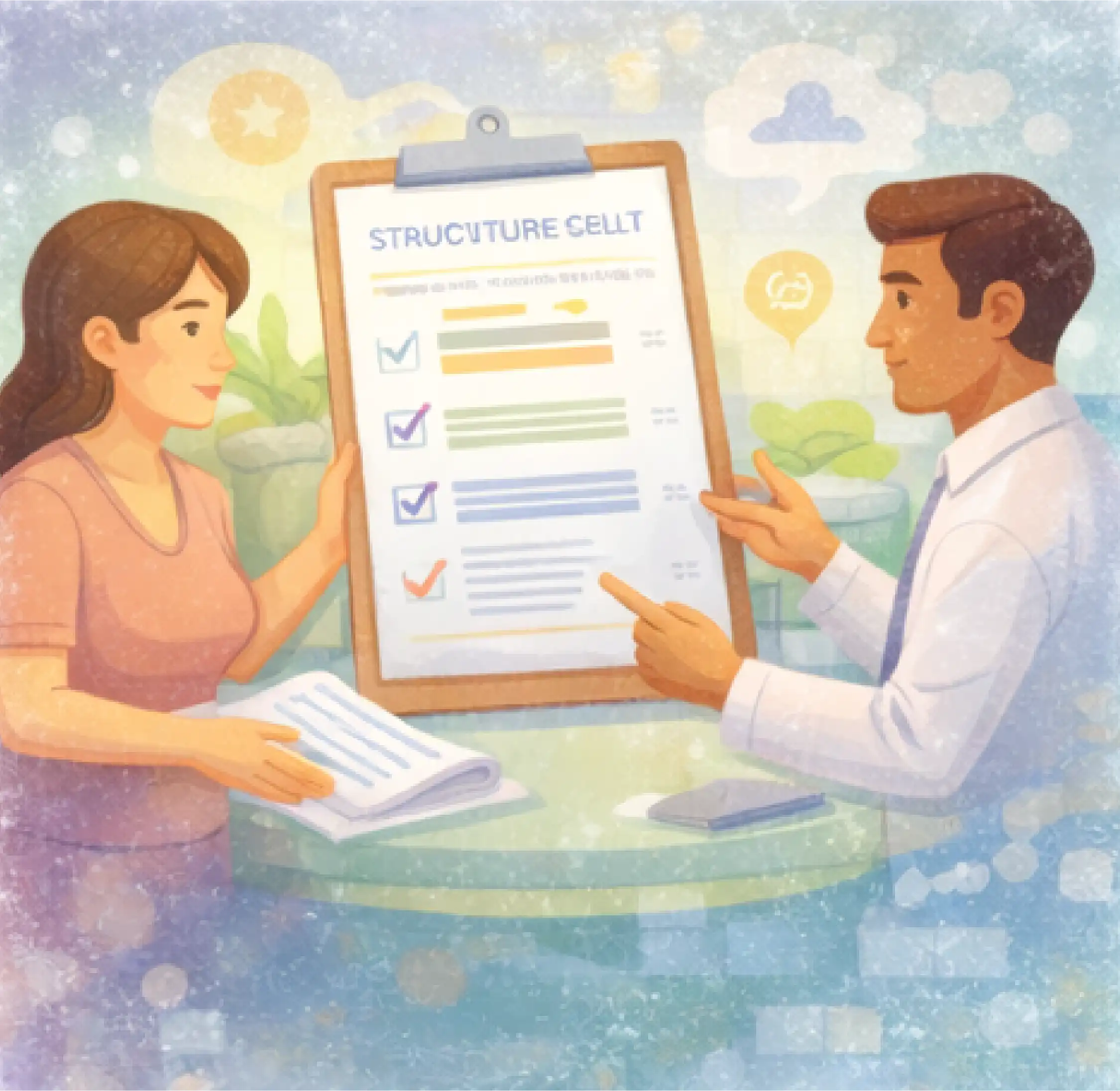
Counselling SOPs aren’t about being robotic. They’re not scripts. They’re not rigidity. They are flexible-but-consistent frameworks that guide how a session unfolds — ethically, emotionally, and strategically. A solid SOP answers:- How does the first session begin?
- What assessment tools are used — and when?
- What notes are taken?
- What is the risk escalation path?
- When is a client referred to psychiatry?
- What happens after 4, 6, or 8 sessions?
- How are outcomes measured?
5 Reasons SOPs Are Essential for Quality Counselling
1. Consistency Across Therapists
When every counsellor follows a core protocol, client experience doesn’t depend on who they get assigned to. This builds trust — especially on platforms with large teams.2. Risk Management
What happens if a client suddenly expresses suicidal thoughts in session? SOPs ensure counsellors don’t freeze or panic — they follow a known, rehearsed process.3. Clinical Integrity
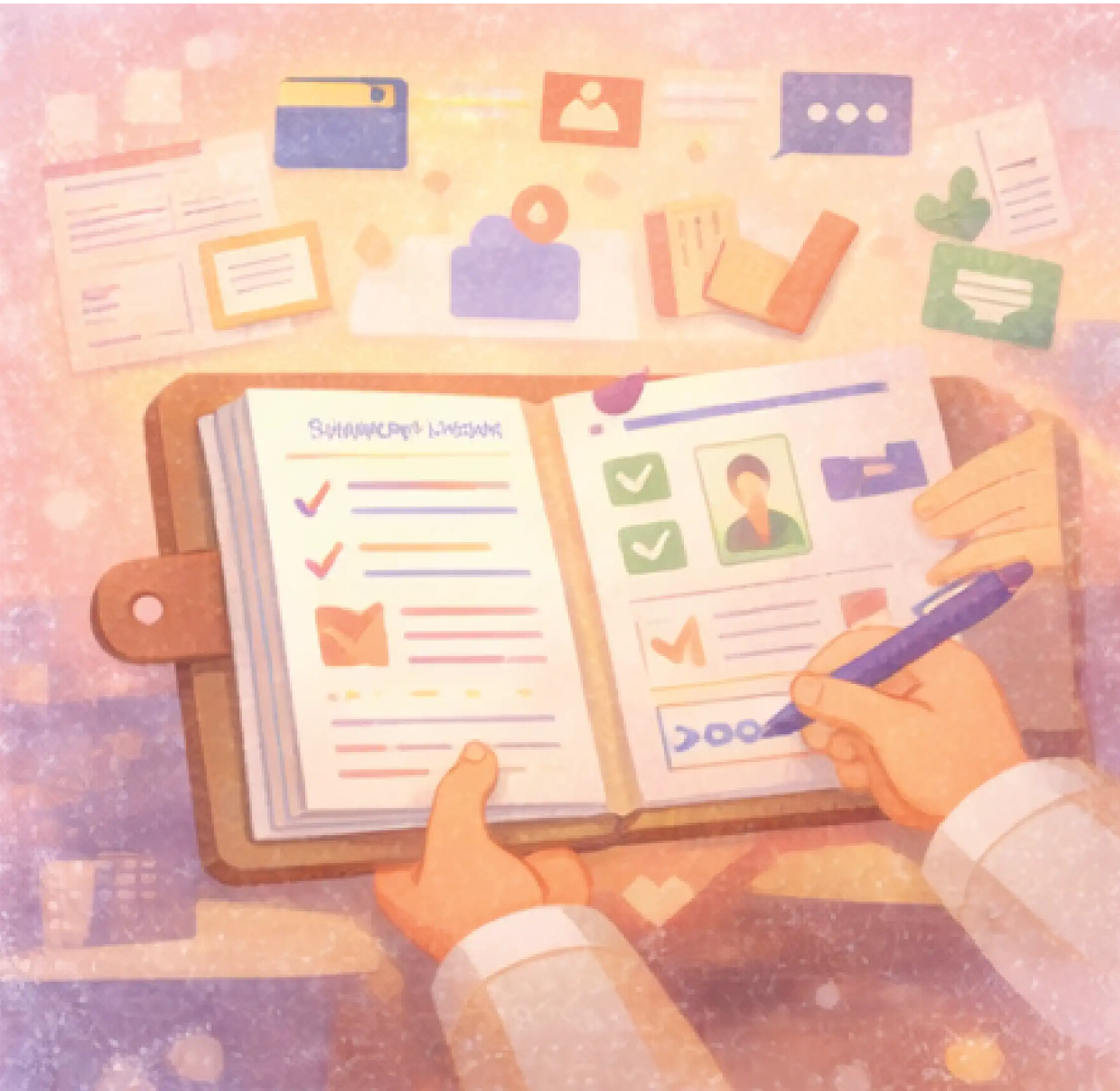
From intake forms to closing summaries, SOPs preserve ethical practice, proper documentation, and client progress trails. No more “we’ll see how it goes.”4. Training & Upskilling
When SOPs are in place, junior counsellors learn faster, make fewer errors, and can be confidently supervised. It becomes teachable — not mystical.5. Client Outcomes
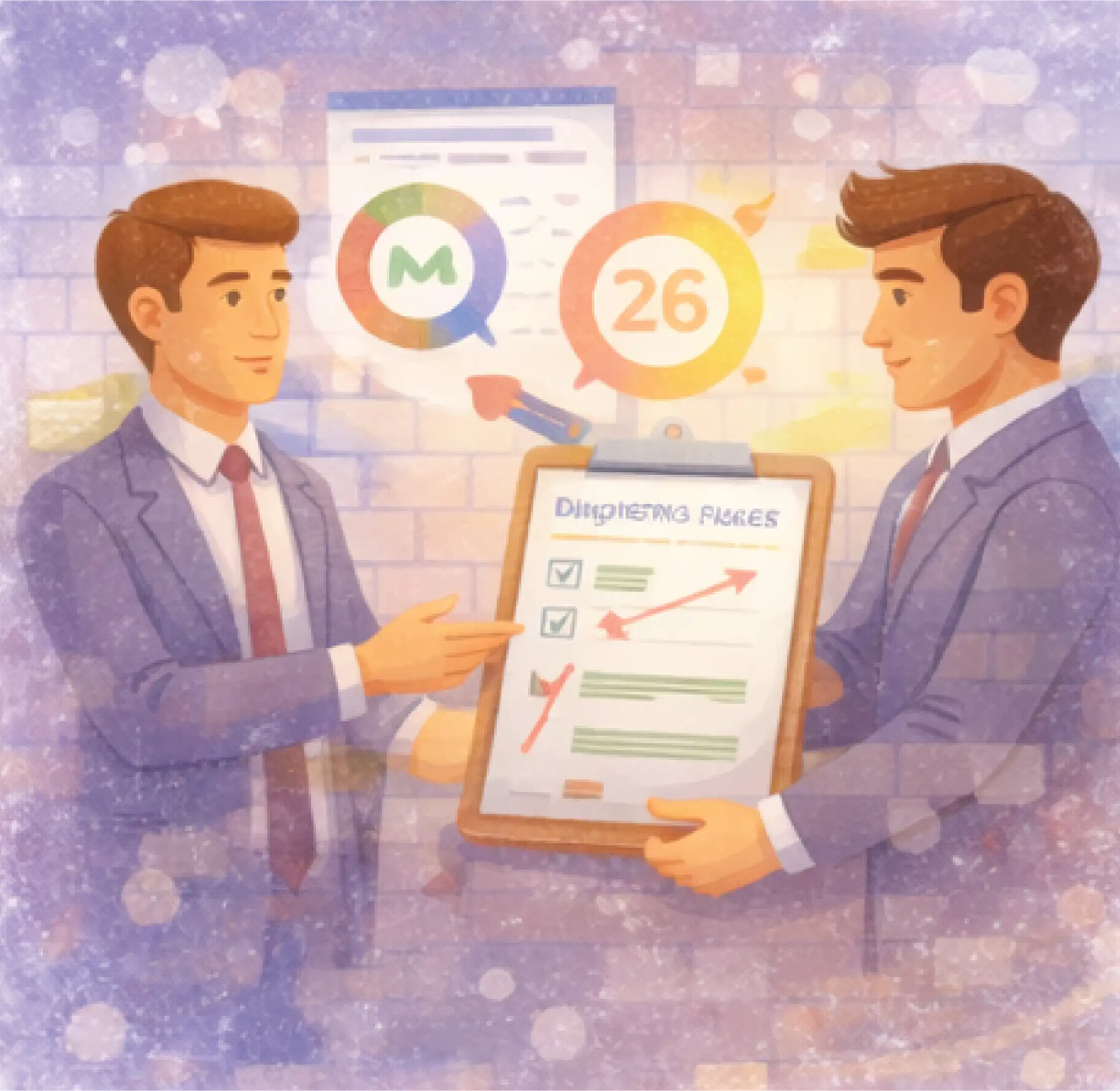
You can’t measure improvement if you don’t track where the client started, what interventions were used, and what changed. SOPs provide that backbone.What SOPs Look Like in a Real Counselling System
Let’s break it down across a session lifecycle:Before Session (Pre–Intake)
- Digital screening tool auto-assigned (e.g., DASS-21, PHQ-9)
- Consent and confidentiality agreement
- Case triage to match counsellor by need (e.g., teen, trauma, workplace)
Session 1
- Rapport-building protocol
- Baseline emotional map
- Client goal clarification
- Counsellor introduces therapy structure and rules
Session 2–5
- Intervention based on client pattern (CBT, REBT, narrative, etc.)
- Mid-journey reassessment
- Realignment if client is off track
Escalation SOP (If Needed)
- Checklist for psychiatry red flags
- Emergency contact protocol
- Internal clinical supervisor alert system
Session 6–8
- Outcome measurement
- Client feedback capture
- Closure plan and after-care recommendations
- Referral, if long-term care needed
Why SOPs Are the Future of Counselling Platforms
If India wants scalable, digital-first mental health platforms, we must move from hero-therapists to systems-thinking. SOPs allow:- Large teams to deliver uniform care
- Founders to ensure quality control
- Clients to feel safe, no matter the geography or therapist
- Supervisors to audit sessions effectively
- Therapists to avoid burnout by having clear guidance
The Mr. Psyc Approach: Built on Protocols, Powered by People
At Mr. Psyc, SOPs aren’t a backend document. They’re the DNA of every counselling interaction. We’ve created:- Tiered SOPs for mild, moderate, and high-risk clients
- Decision trees for screening outcomes
- Session flow templates for each type of intervention
- Escalation ladders to ensure no red flag gets missed
- Digital tools to ensure SOPs are followed — without killing creativity