
Would You Trust a Surgeon Who’s Never Been Observed?
Imagine this. You’re about to go in for surgery. The doctor smiles and says, “Don’t worry — I’ve done a few YouTube courses and practiced on dummies. You’re my first real patient.” You’d run. Naturally. Now ask yourself: Why doesn’t the same panic rise when we hear a counsellor say, “I just finished my certification, and I’m starting practice!”? Because the truth is, therapy can go wrong. Badly. And in India, it often does — quietly, invisibly, and with real emotional consequences. The missing piece? Clinical supervision.Supervision: The Unsung Hero of Professional Therapy
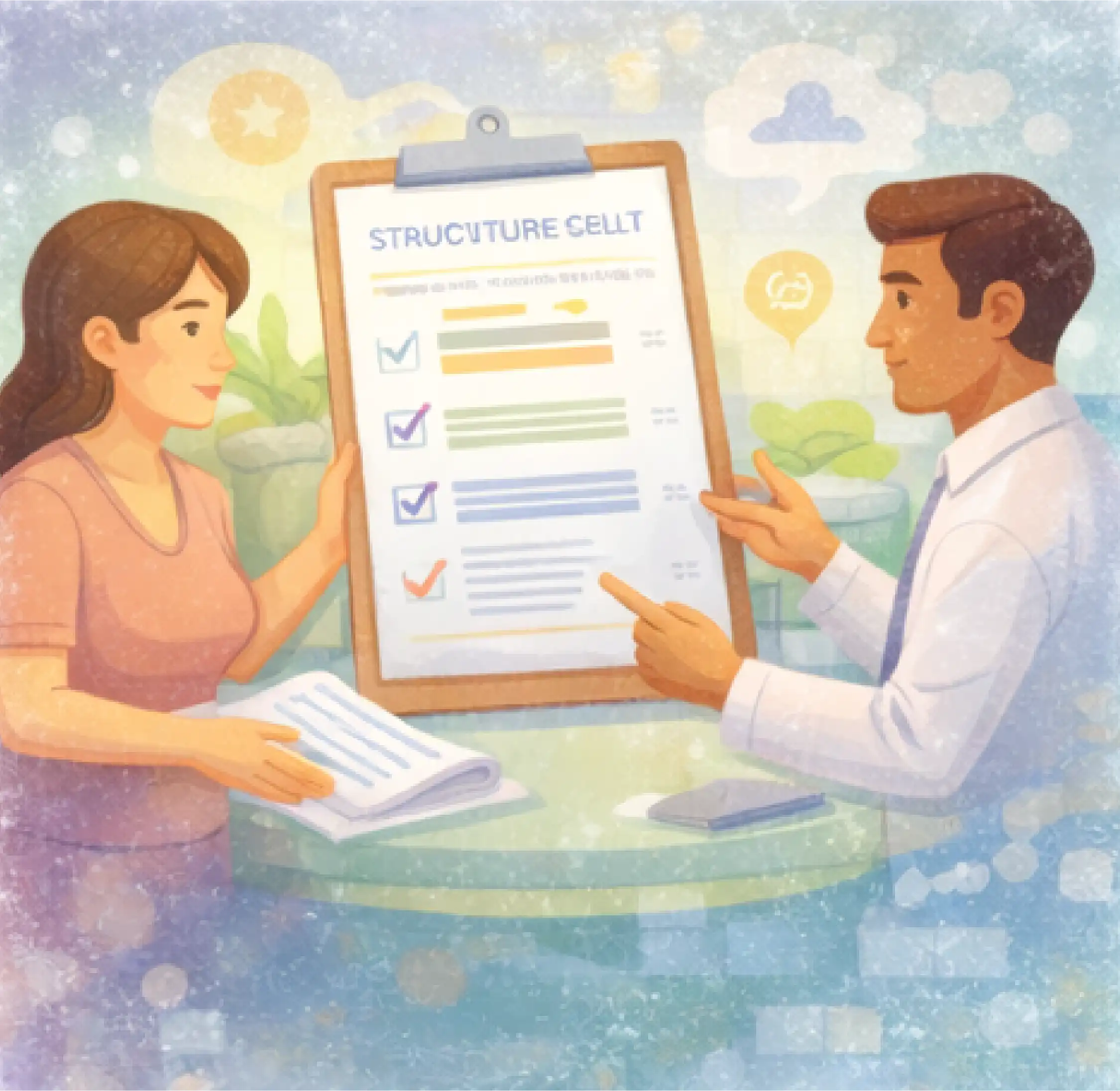
Supervision is not someone hovering over your shoulder. It’s not micromanagement. It’s a structured, safe, confidential process where a trained senior counsellor (the supervisor) guides, reviews, and supports a practicing counsellor or trainee (the supervisee) to improve their therapeutic work. It’s how counsellors grow, reflect, correct, and prevent clinical harm — without burning out or going solo too soon. If therapy is surgery for the mind, then supervision is the safety net that ensures no one leaves the operating room worse off.What Supervision Looks Like (It’s Not Just “Feedback”)
Many people mistake supervision for casual mentoring or team check-ins. In reality, good supervision is structured and evidence-informed. It often includes:- Case presentations (with anonymity)
- Session recordings or transcripts for review
- Stuck-point analysis — where the therapist felt lost or ineffective
- Blind-spot questioning — what did the counsellor miss?
- Ethical guidance — especially in boundary or risk cases
- Personal reflection — how is the counsellor’s own mental health?
Why Lack of Supervision Is a Crisis in India
In global therapy ecosystems (like the UK, US, Australia), supervision is mandatory. You don’t get licensed until you clock in hundreds of supervised hours. But in India?- Counsellors can start independently with no practical experience
- Platforms assign clients to fresh graduates without any internal checks
- Burnout and ethical blind spots go unnoticed for years
- Clients suffer — without knowing their therapy was poorly managed
6 Transformational Benefits of Supervision in Counselling
1. Sharper Clinical Judgement
Supervised counsellors are better at identifying red flags — like suicidal ideation, trauma regression, or manipulative behaviours — because they’ve been guided through such cases before.2. Error Correction
Supervision catches what the counsellor misses. A misleading question. An inappropriate intervention. Or worse — a misdiagnosis that could derail therapy.3. Ethical Alignment
Supervisors are trained to ensure that the counsellor maintains boundaries, handles confidentiality with nuance, and avoids power imbalance with clients.4. Skill Building
Whether it’s CBT, trauma-informed therapy, or working with teens, supervision accelerates learning by offering real-time insight into what works — and what doesn’t.5. Mental Health of the Counsellor
Therapists hold a lot. Sessions don’t end when the client leaves. Supervision offers emotional decompression and helps prevent burnout.6. Outcome Improvement
Supervised therapists deliver faster, more sustainable progress — because they constantly improve with guided input.What Happens Without Supervision?
Let’s be honest — therapy without supervision becomes:- Repetitive
- Directionless
- Emotionally draining
- Clinically unsafe
- Over-identify with clients
- Miss escalation cues
- Stay stuck in ineffective patterns
- Reinforce dependency rather than empowerment
What Supervision Looks Like in a Platform Like Mr. Psyc
At Mr. Psyc, we don’t let therapists “figure it out alone.” We’ve built a layered, accessible, always-on supervision system:Tiered Supervision Structure:
- Fresh trainees: Weekly structured supervision
- Mid-level counsellors: Bi-weekly clinical reviews
- Seniors: Peer-based and specialised expert consultations
Data-Led Supervision:
- Session summaries are auto-analyzed
- Risk flags are AI-detected and escalated to supervisors
- Quality checks run randomly across batches
Safe Reflection Tools:
- Counsellors can mark “sessions I need help with”
- Upload for supervisor review and rapid feedback
- All confidential, logged securely