Your Company Probably Knows You’re Burning Out Before You Do — And the Science Behind That Is Fascinating
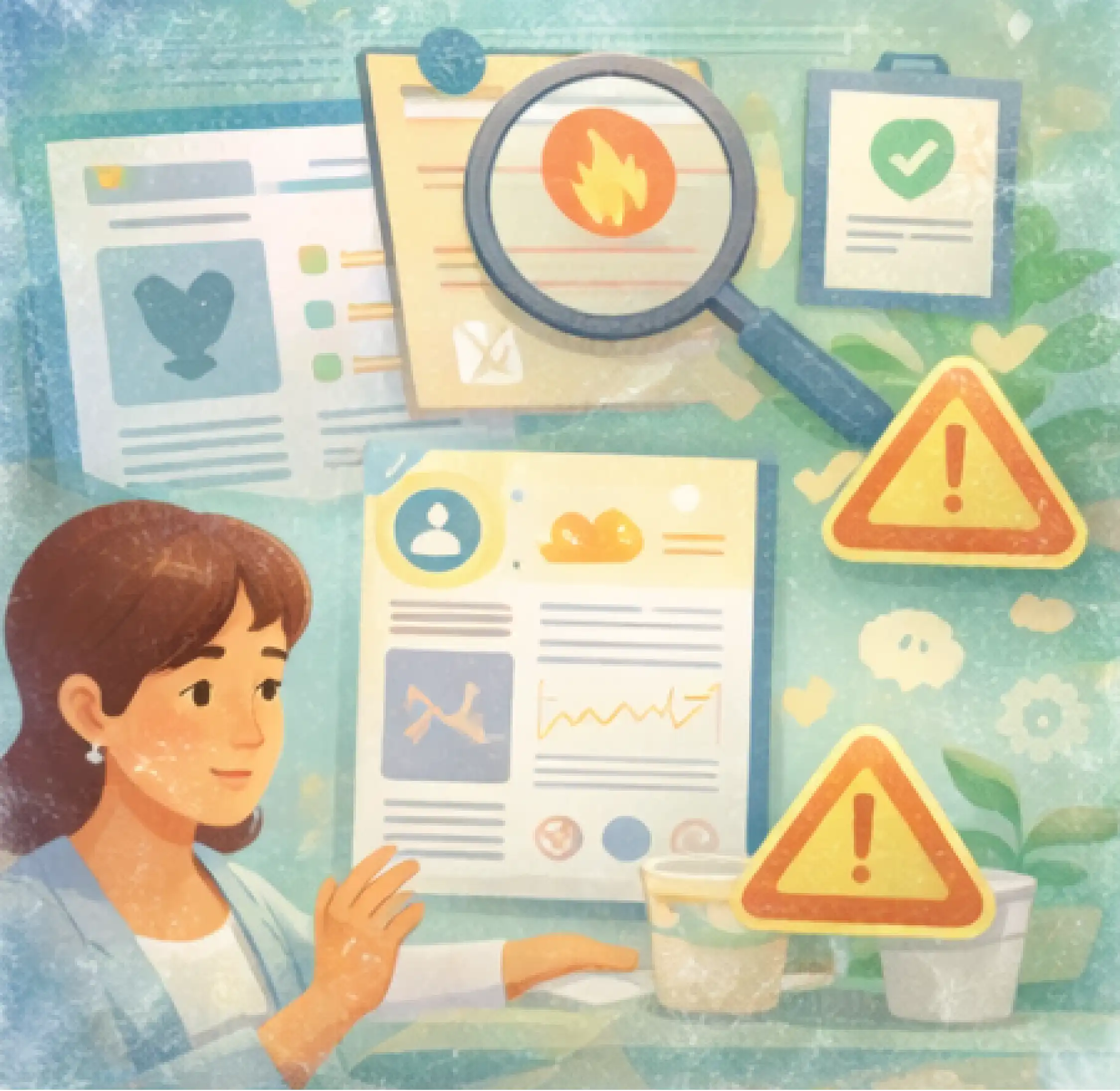
Imagine this: You walk into the office on a normal Monday morning. You feel “a little tired,” “a bit low,” or “just not in the mood.” Nothing dramatic. You think you can push through it—after all, that’s what adults do. But deep inside the system your organisation uses—its workflow data, HR analytics, engagement dashboards, leave trends, behaviour signals—something strange is happening. Quietly, silently, the system begins flashing subtle warnings: Reduced response speed. Increased after-hours login. Higher error frequency. Irregular attendance. Dipping engagement. Unusual mood patterns. Delayed task completion. Your company’s analytics platform doesn’t call it “stress.” It calls it risk markers. Your manager doesn’t see it yet. Your family doesn’t see it yet. You yourself don’t realise it yet. But the system already knows: You’re on the early slope of burnout. Welcome to the world of Burnout Analytics — the science of predicting mental health risks at scale, long before they crash into a person’s wellbeing or productivity.Why Burnout Is No Longer Considered “A Personal Issue”
Burnout used to be treated like a character flaw: “You’re not tough enough.” “You’re too emotional.” “You should manage time better.” But global data proves otherwise.- Burnout has become one of the world’s top workforce risks, affecting nearly 60% of employees in some industries.
- WHO officially classifies burnout as an occupational phenomenon, not a weakness.
- Companies suffer from increased errors, reduced creativity, higher absenteeism, turnover, and medical claims.
- Employee assistance programs see increased emotional breakdowns and chronic stress cases.
The Three Layers Companies Use to Detect Burnout Early
Burnout analytics doesn’t rely on one data point. It looks for patterns across multiple behaviours. Let’s break them down.1. Behavioural Analytics — The Subtle Clues in Daily Work Patterns
Every organisation collects invisible behavioural data such as:- login times
- break patterns
- email response delays
- increased after-hours activity
- decreased meeting participation
- rising error rates
- slower task completion
- more last-minute escalations
- missed deadlines
- unusual task-switching
- Decline in task accuracy + increase in rework
- Late-night work sessions + skipping breaks
- Reduced participation in meetings + emotional withdrawal
- High task switching + poor focus indicators
2. Engagement Analytics — Emotional Signals Hidden in Participation
Companies use engagement surveys, weekly pulse checks, mood trackers, or employee feedback systems. Patterns include:- decreasing satisfaction scores
- reduced willingness to contribute ideas
- dipping trust indicators
- increase in “exhausted,” “frustrated,” or “low energy” tags
- decreasing participation in voluntary programs
- lower engagement in team conversations
3. HR & Wellness Data — The Patterns No One Notices Consciously
This includes:- increased sick leave
- patterns of half-days
- medical claims related to stress
- repetitive leave during crunch weeks
- increased interpersonal conflicts or complaints
- changes in performance evaluations
- spikes in HR interventions
The Science Behind Prediction: Behaviour → Emotion → Decline
Every burnout case follows a predictable 3-stage decline:Stage 1: Behavioural Strain
You work harder, take fewer breaks, and push yourself because you believe effort will solve the pressure.Stage 2: Emotional Erosion
Motivation drops, irritability rises, and self-esteem begins declining.Stage 3: Functional Breakdown
Errors spike, communication struggles, relationships suffer, your body starts to protest. Burnout analytics detect Stage 1. You usually notice burnout only in Stage 3.How Companies Use Data to Protect Employees (Not Punish Them)
The goal of burnout analytics is not surveillance or micromanagement. The best organisations use it to:- offer early counselling support
- adjust workload distribution
- encourage time-off before collapse
- launch mental health initiatives
- intervene with Employee Assistance Programs (EAP)
- coach managers on communication styles
- provide access to screening tools (like Mr. Psyc)
Real-World Examples: What Burnout Prediction Looks Like
Example 1 — The High Performer Who Suddenly Slows Down
A strong performer begins showing:- slower task completion
- increased errors
- login irregularities
Example 2 — The Silent Employee in a Toxic Team Environment
Team-level analytics find:- high conflict
- low engagement
- frequent turnover intentions
- conflict mediation
- leadership coaching
- structured wellbeing sessions
Example 3 — Pandemic-Era Digital Overload
Analytics detect:- increased online hours
- declining break frequency
- rising weekend work
Why Counsellors Love Burnout Analytics
From a mental-health perspective, burnout analytics is a gift. It allows counsellors to:- see early signs
- understand patterns
- identify emotional triggers
- intervene before the spiral
- personalise support
- track progress
- guide managers
- recommend systemic changes
But There’s One Important Truth: Analytics Can Only Predict — People Must Participate
No matter how advanced the system is, the healing still depends on:- honest conversations
- supportive managers
- safe counselling environments
- organisational empathy
- balanced workloads
- psychological safety
Why Burnout Analytics Will Become Standard in All Modern Workplaces
The corporate world is evolving. Mental health is no longer a private burden; it’s a workplace priority. Companies are realising:- burnout costs more than prevention
- peak performance requires mental stability
- emotional intelligence beats traditional management
- psychological safety drives innovation
- retention improves when wellbeing is embedded into culture