
“Just One More Reel…” — But It’s Never Just One, Is It?
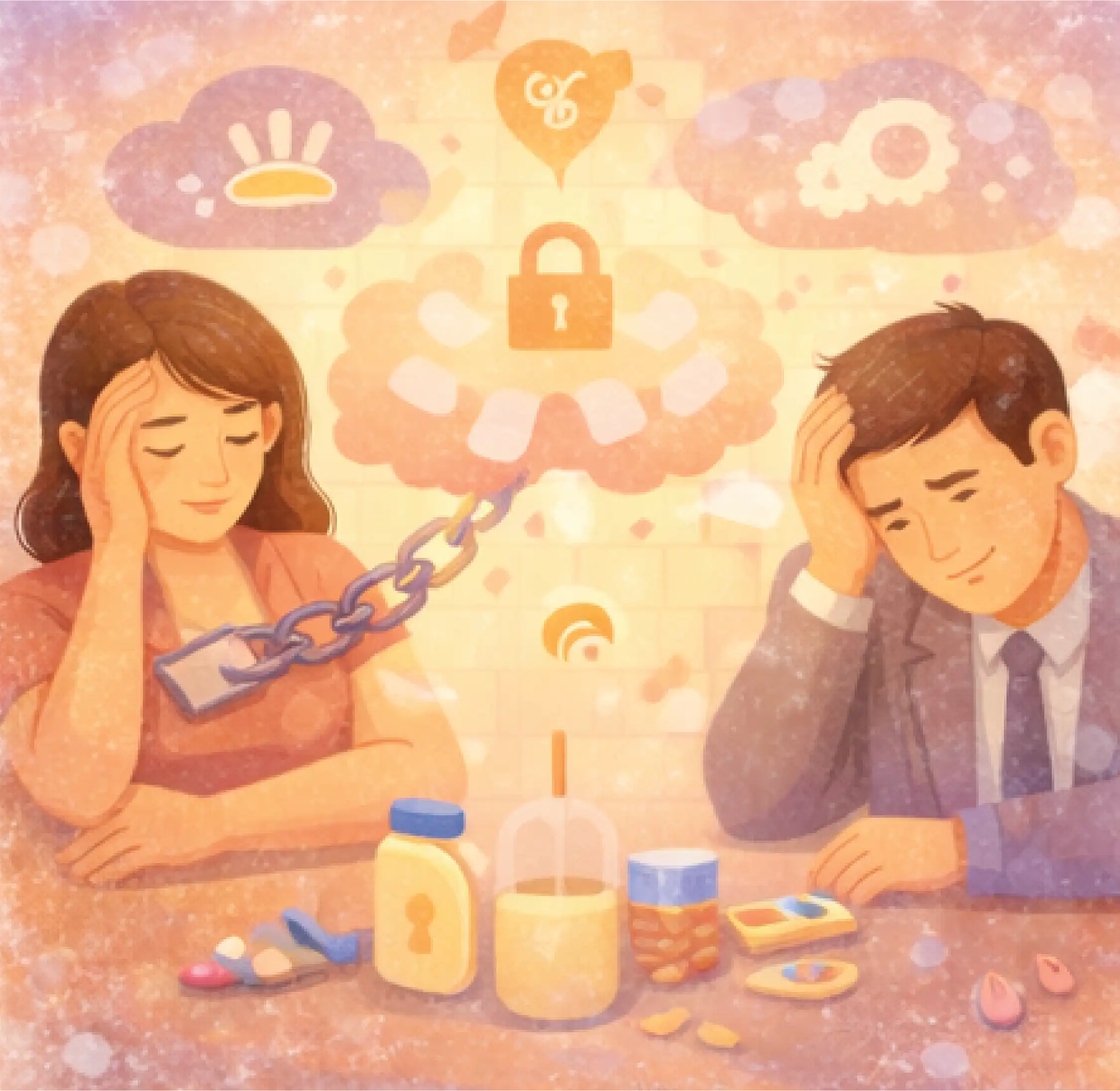
You pick up your phone just to check the time. Thirty-eight minutes later, you’ve scrolled through 2 reels about cats, 1 video about why your zodiac sign is secretly an alien, and suddenly, you’re buying a Bluetooth toothbrush you absolutely don’t need. You weren’t bored. You weren’t even free. But your brain didn’t care — because it was being hijacked. Welcome to the age of the dopamine loop, where your attention is currency, and your brain’s reward system is the most targeted algorithm of all.What Exactly Is Dopamine — And Why Is It Holding Us Hostage?
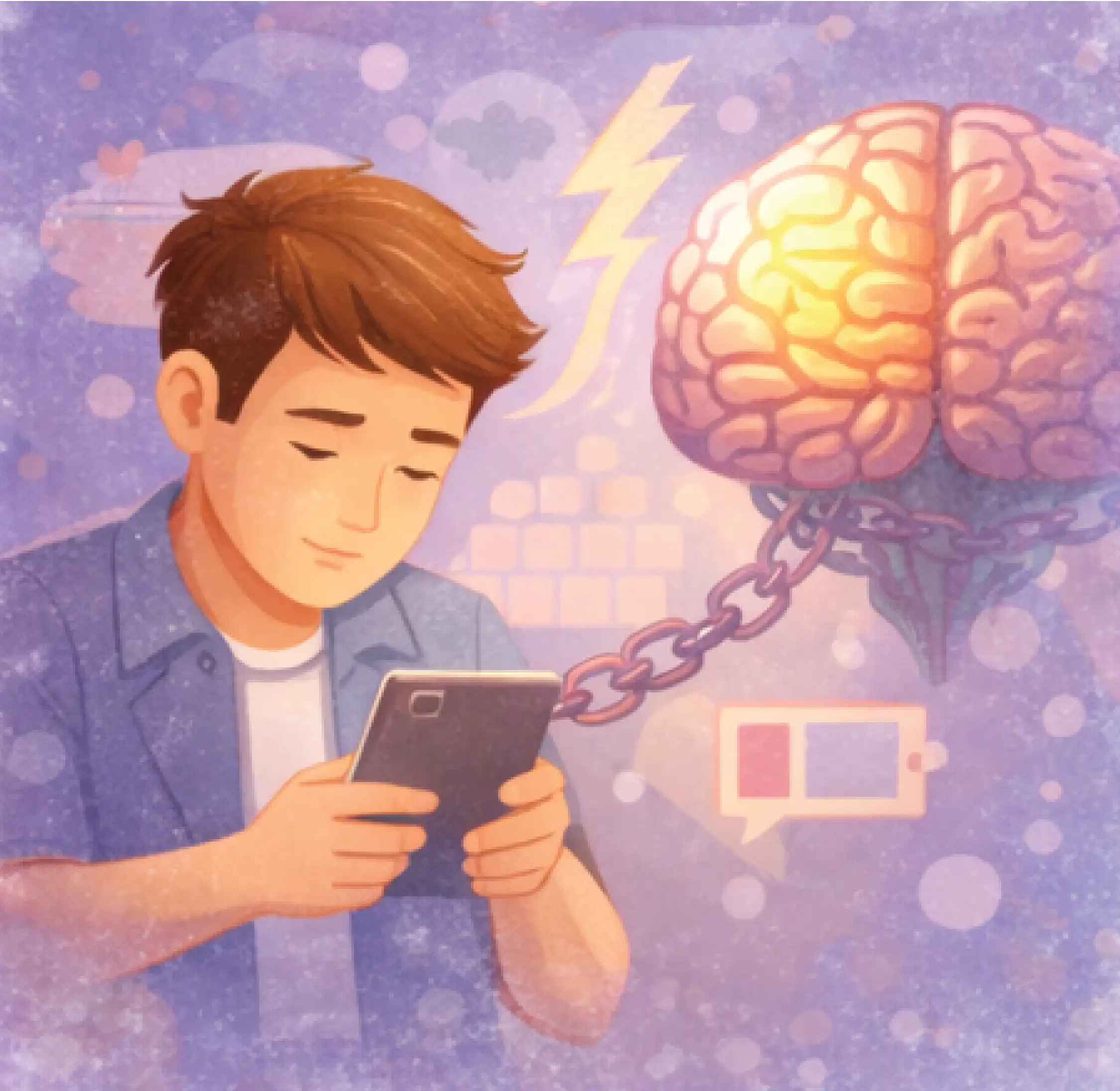
Dopamine is not a “pleasure chemical” as it’s often misrepresented. It’s actually a “motivation and reward signal.” Every time you anticipate something enjoyable (a like, a message, a win), your brain releases dopamine — nudging you to go after it. And once you get it? The dopamine drops… …so you go chasing it again. This chase–reward–crash–repeat cycle is what makes digital addiction less about fun and more about compulsion.Apps Know Your Brain Better Than You Do
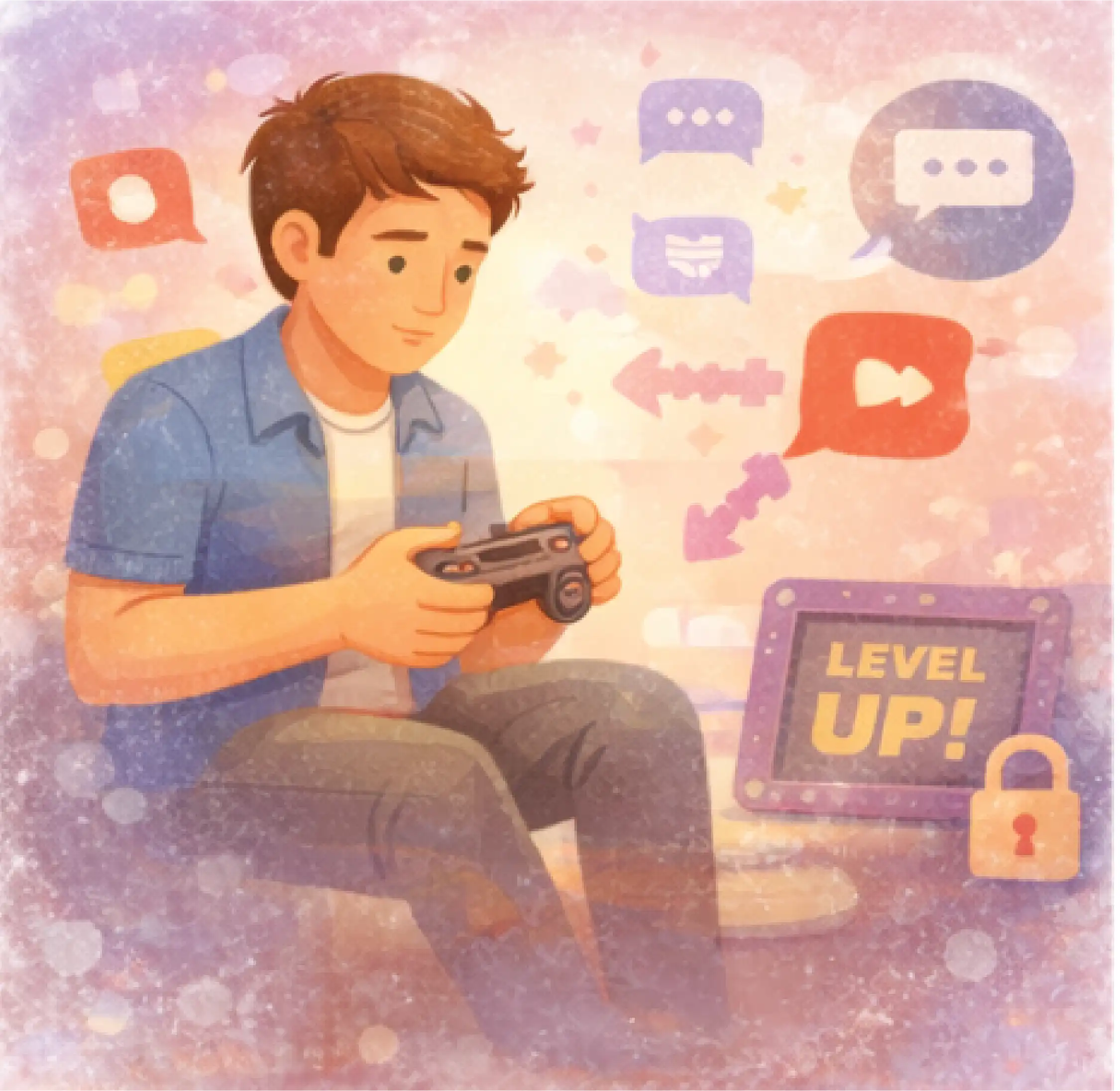
The architecture of social media, gaming apps, and streaming platforms is intentionally designed to keep you trapped in the loop. Here’s how they do it:- Variable Rewards: Just like slot machines, you never know when you’ll see something amazing — so you keep scrolling.
- Infinite Scroll: No end = no brain signal to pause.
- “Likes” & “Streaks”: These trigger micro-dopamine releases, rewarding behaviour and creating emotional dependence.
- Notifications: Designed to break your focus and pull you back — not because something is important, but because you’re leaving the app.
Why Teens Are Especially Vulnerable to Dopamine Hijack
The adolescent brain is still under construction — especially the prefrontal cortex, which controls judgement, impulse control, and decision-making. Meanwhile, their reward system is hypersensitive. So when a teen picks up a phone:- Their impulse control is low
- Their desire for reward is high
- Their sense of self-worth is fragile and easily shaped by online validation
Signs of Digital Dopamine Hijack in Teens (and Adults Too)
- Irritation when offline or without their phone
- Doomscrolling late into the night despite knowing it’s harming them
- Constantly switching apps with no real purpose
- Reduced ability to enjoy offline activities
- Feeling empty or anxious after long periods of scrolling
- Struggling to concentrate on one task for more than a few minutes
What Addiction Science Says: It’s Not About “Willpower”
Psychology no longer treats addiction as “bad habits” or “lack of self-control.” It’s now seen as a neurobiological pattern involving:- Cue → Craving → Response → Reward
- Brain changes in the dopaminergic system
- Diminished natural pleasure (nothing feels fun unless it’s digital)
What Real Solutions Look Like (Backed by Neuroscience)
At Mr. Psyc, our digital addiction support models focus on rewiring, not just removing. Here’s what that looks like:1. Behavioural Awareness
Understanding the why behind the scroll is the first step. We help users track patterns: “When do I scroll?” “What emotion is driving me to the screen?” “What does my body feel like before and after?”2. Controlled Dopamine Fasting
Not a complete cut-off — but a structured reduction plan that includes:- Specific no-screen zones (e.g., morning, bedtime)
- Substitution with physical micro-rewards (exercise, music, creative flow)
- Real-world stimulation (nature, novelty, social connection)
3. Emotional Regulation Techniques
Since digital addiction often masks anxiety or low mood, we teach:- Grounding techniques
- Journaling urges
- Mindful pauses between trigger and response
- Emotional vocabulary building
4. Family Education (Especially for Teens)
No more “Just give me the phone!” Instead, we equip parents with:- Scripts to talk about addiction without shame
- Tools to set boundaries without rebellion
- Awareness of reward triggers within the home (yes, even praise can backfire)
Why You Shouldn’t Wait for “Rock Bottom”
One of the biggest myths in digital addiction is that people will “snap out of it.” But dopamine hijack doesn’t just pause life — it reshapes the brain. Over time, it can lead to:- Social disconnection
- Poor academic or work performance
- Anxiety and depression
- Impaired sleep
- Weakened executive function