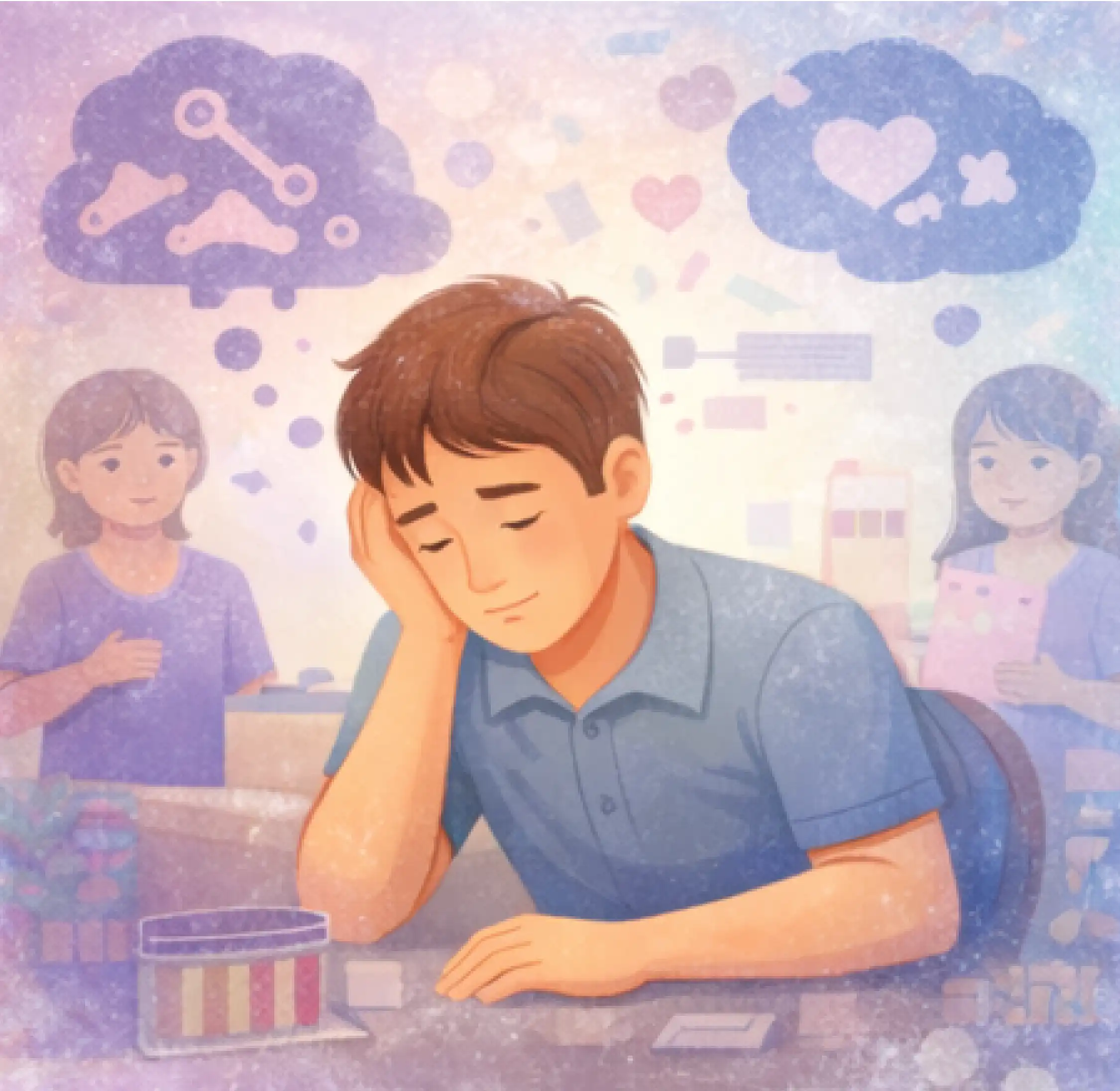
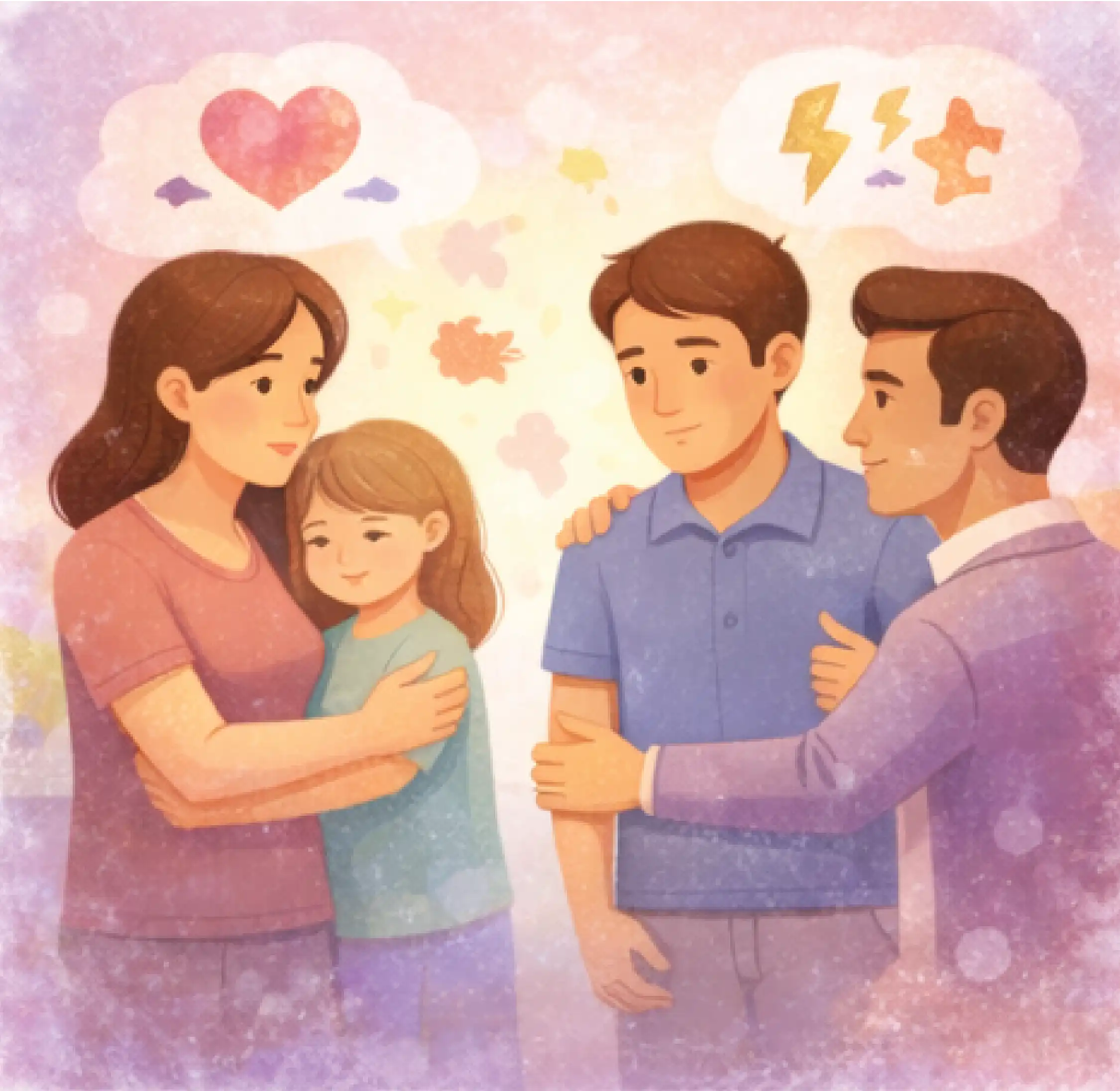
“She’s the problem in this family.”
Is she? Or is she just the symptom of something deeper? In every family therapy room, this line eventually shows up — sometimes spoken directly, sometimes implied. It might be:- “He’s always angry. He needs help.”
- “My son is acting out. Can you fix him?”
- “My mother is toxic. I’ve cut her off.”
The Basics: What Is Family Systems Theory, Really?
Developed by psychiatrist Dr. Murray Bowen, Family Systems Theory says that a family functions as an emotional unit — like a system where each part affects every other. In simpler terms: If one person changes, resists, breaks down, or heals — it will inevitably shift the whole system. The theory believes that:- Individuals don’t operate in isolation
- Emotional patterns repeat across generations
- Roles in a family (like caretaker, rebel, hero, scapegoat) are unconsciously assigned and reinforced
- Dysfunction often comes from the system’s rigidity, not just personal flaws
- Healing often requires changing the system, not just the person
The Classic Roles in Dysfunctional Family Systems
You’ve likely seen these in your own family or someone else’s — even if unconsciously:- The Scapegoat – the one who “acts out” and gets blamed for everything
- The Hero – the overachiever who makes the family look good from the outside
- The Caretaker – usually a parentified child who manages everyone’s emotions
- The Lost Child – stays quiet, avoids conflict, disappears into silence
- The Mascot – uses humour to defuse tension and avoid real talk
- The Enabler – protects the dysfunction by keeping peace or covering up problems
Symptoms Are Signals, Not Villains
Let’s say a teenage boy in the family has started yelling, refusing to go to school, and abusing substances. Everyone thinks “He’s the problem.” But a systems therapist might explore questions like:- What are the unresolved tensions between the parents?
- Has this child become the distraction from adult conflict?
- What’s the emotional climate of the home?
- Is this behaviour a form of protest, avoidance, or emotional roleplay?
How Problems Get Reinforced (Without Anyone Realising)
Here’s a common example: Let’s say a mother is emotionally overwhelmed. The father is emotionally distant. One child becomes “the responsible one” and another becomes “the troublemaker.” Over time:- The responsible child is rewarded, but secretly resents the weight
- The troublemaker is punished, but is the only one expressing emotion
- The parents continue their dynamic, using the kids’ behaviour to avoid addressing their own issues
What Happens in Family Systems Counselling
When a family walks into therapy, here’s what the counsellor doesn’t do:- Blame one person
- Fix one person
- Take sides
- Observe interaction patterns
- Identify emotional cutoffs
- Map out multi-generational dynamics (genograms)
- Uncover unspoken rules like “we don’t talk about sadness” or “failure is weakness”
- Create a safe space to reassign emotional responsibilities
What This Means for Healing in Real Life
Here’s the hard truth: You can’t heal in a system that keeps you sick. That’s why:- A person trying to recover from addiction may relapse if the family doesn’t change
- A depressed person may improve in therapy but feel pulled back by toxic dynamics
- A person learning to set boundaries may face backlash from relatives who benefit from their silence