Family & Relationships · Family Therapy Support
Calm, structured conversations for families dealing with conflict, distance, or repeated misunderstandings—without blame or taking sides.
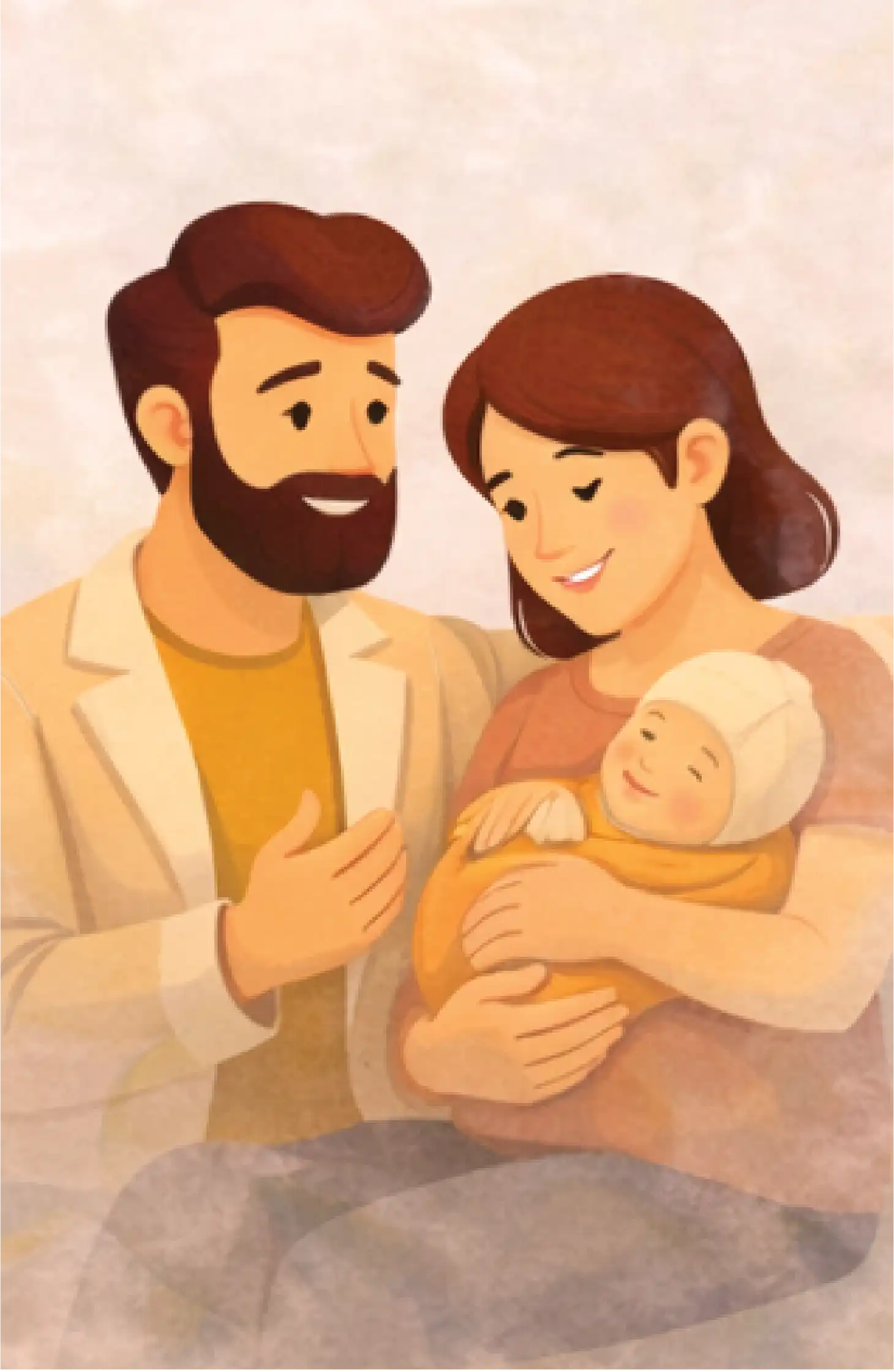
Family Pattern Audit
Understand how your family currently handles stress, decisions, conflict, and emotions.

Conflict & Communication Map
See where conversations get stuck, who withdraws, and who carries the emotional load.
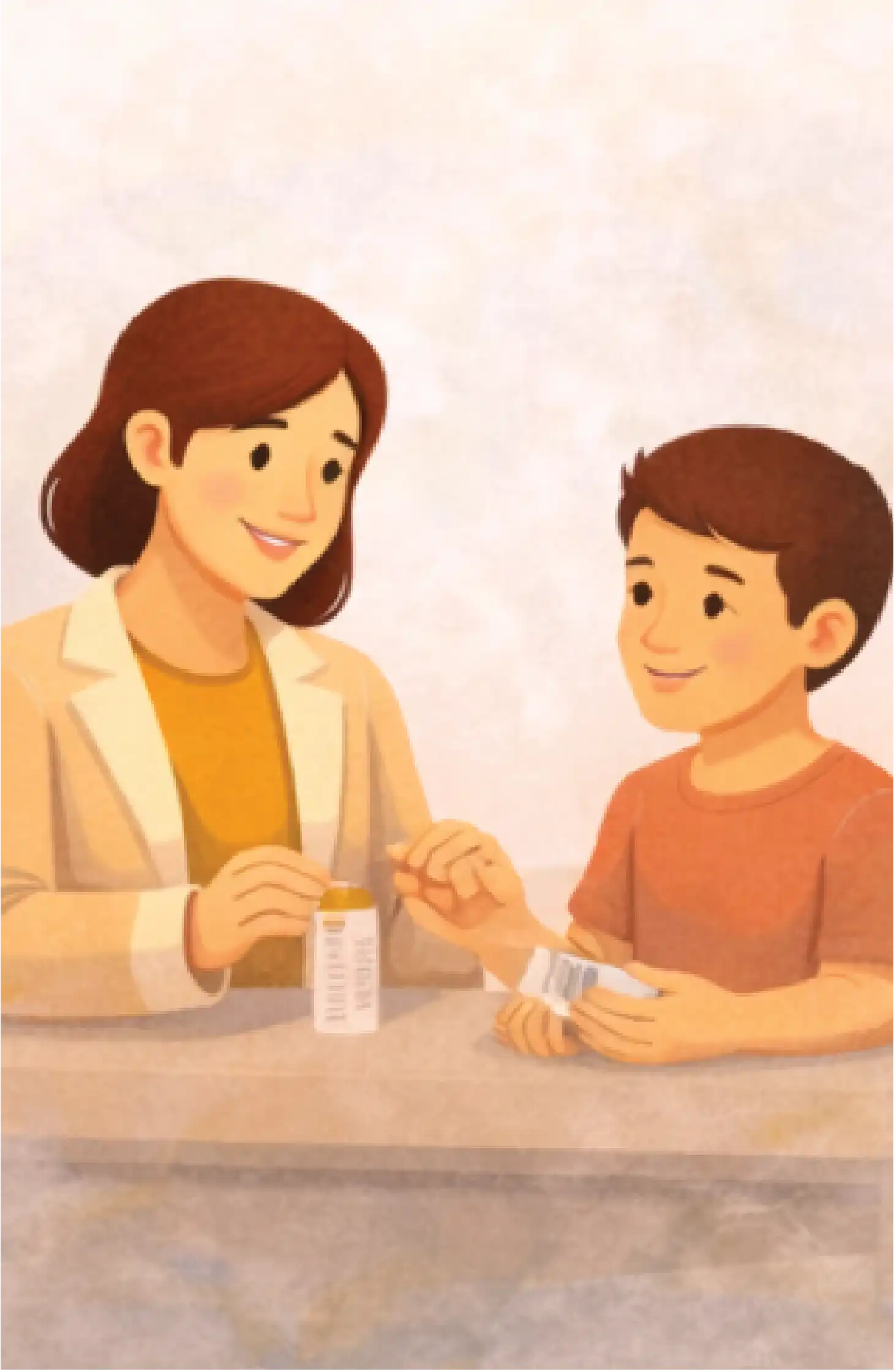
Guided Family Plan
Build calmer routines, ground rules, and repair steps each member can actually follow.


Evidence Snapshot
These are awareness-focused insights, not a diagnosis. They show why structured, calm family conversations can change how home feels.
Home climate matters
Communication patterns stick
Stress affects mental health
Children feel the load
Supportive relationships protect
Family therapy can help
Built for Parents. Couples. Families.
This is not about deciding who is “wrong.” It is about building safer conversations, shared language, and practical agreements so home feels less tense and more predictable for everyone.


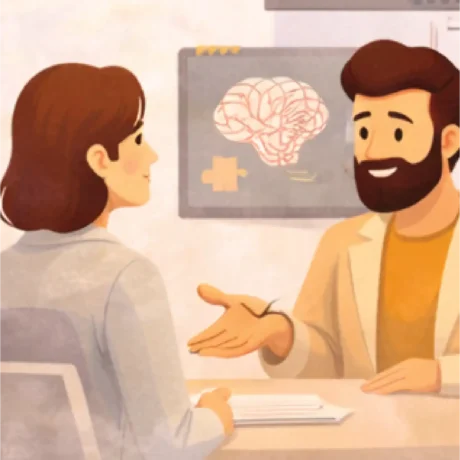

Self-check
Small issues become big fights
Walking on eggshells
Silent distance
Children stuck in the middle
Same fight, different day
Feeling alone in the family
What You Get
From mapping patterns to building new agreements and repair steps—you get a complete, stepwise framework instead of ad-hoc conversations.
Family pattern assessment
Conflict & communication map
Shared ground rules
Repair & apology steps
Listening and validation tools
Relapse & difficult weeks plan
Your Progress Roadmap
Family change is not instant. This roadmap focuses on small, repeatable improvements in safety, communication, and support—session by session.
Screen
Begin with a family pattern assessment (conflict, support, stress).
Map
Identify repeating arguments, roles, and “hot moments” for your family.
Reset
Introduce safer ground rules, repair steps, and calmer conversation formats.
Build
Add shared routines, connection rituals, and clearer division of responsibilities.
Maintain
Track tension, safety, and support levels, using the difficult-weeks plan when needed.
Quick Stats
Families often first notice fewer explosive moments, more honest check-ins, and small acts of care. This program is built for realistic, sustainable change—not perfect harmony overnight.
80%
Communication Safety
Goal: more calm, less fear
75%
Family Connection
Goal: more support, less distance
Free family screening
Personalised family plan
Progress tracking
Worksheet pack
Optional joint sessions
Confidential support

Start free
No blame, no sides
Science-informed
Emotionally safer space
Measurable change
Relapse-aware
Human guidance
Ask Mr. Psyc
No. The focus is on understanding patterns, needs, and safety—rather than deciding who is right or wrong. We work towards shared clarity and agreements that are fair and realistic.
Not always. Sometimes one or two members begin, stabilise patterns, and then others join when it feels safer. The plan is adjusted to what is possible and ethical for your situation.
Change can still begin. We then focus on supporting the members who do attend, building safety, boundaries, and communication skills that indirectly shift the family climate.
No. This is not an emergency, crisis, or legal service. In situations of abuse, severe risk, or legal conflict, appropriate legal, medical, and protection services remain essential. This support can complement, not replace, those services.
Yes, within ethical limits. Information is handled with confidentiality and consent-first care. Any recommendation to involve external support is discussed with you, keeping safety as the priority.
Trusted by families
Most families do not become “perfect.” They simply argue more safely, repair faster, and show care more clearly. That itself is powerful change.

We were stuck in the same fight for years. Having a map and scripts made conversations feel safer and more focused.

Mehta Family
Our teen finally said, “I feel heard.” That one sentence made all the work worth it.
Singh Family
We still disagree, but without shouting. The repair steps helped us come back to each other faster.
R.& A.
Earlier, festivals meant tension. Now, we prepare with a clear plan. The house still gets busy, but it feels lighter.
Sharma Family