
Your Adult Reactions Are Often Echoes of Your Childhood — Even If You Don’t Realize It
Have you ever wondered why certain situations trigger you instantly? Why a tone, a silence, a delay, a disagreement, or even a harmless comment can suddenly make you defensive, anxious, angry, embarrassed, frozen, or withdrawn? Why you react stronger than the situation demands? Why your body jumps into survival mode even when your mind logically knows there’s no danger? You aren’t “too sensitive.” You aren’t “overreacting.” You aren’t “dramatic.” You’re conditioned. Your emotional system learned patterns long before you had the words to describe them. Childhood is where your brain formed its earliest emotional templates — about safety, love, conflict, approval, rejection, belonging, mistakes, and identity. These templates become the unconscious triggers that shape adult behaviour. And the most important truth you’ll read today is this: Your triggers are not personality flaws — they are survival responses created in childhood. Let’s decode how those early experiences silently write the script for your adult reactions.The Childhood Brain: A Learning Machine That Absorbs Everything
A child’s brain is not fully developed; it’s under construction. That means:- They absorb experiences as truth.
- They internalize emotions without filtering.
- They take everything personally.
- They assume everything is “about them.”
- They don’t differentiate between emotions and identity.
The Blueprint: How Childhood Conditioning Shapes Adult Triggers
Your emotional system learned four major patterns in childhood:1. How to Interpret Threats
If criticism, conflict, or shouting felt dangerous as a child, your adult brain will react the same way — even in simple disagreements.2. How to Seek Safety
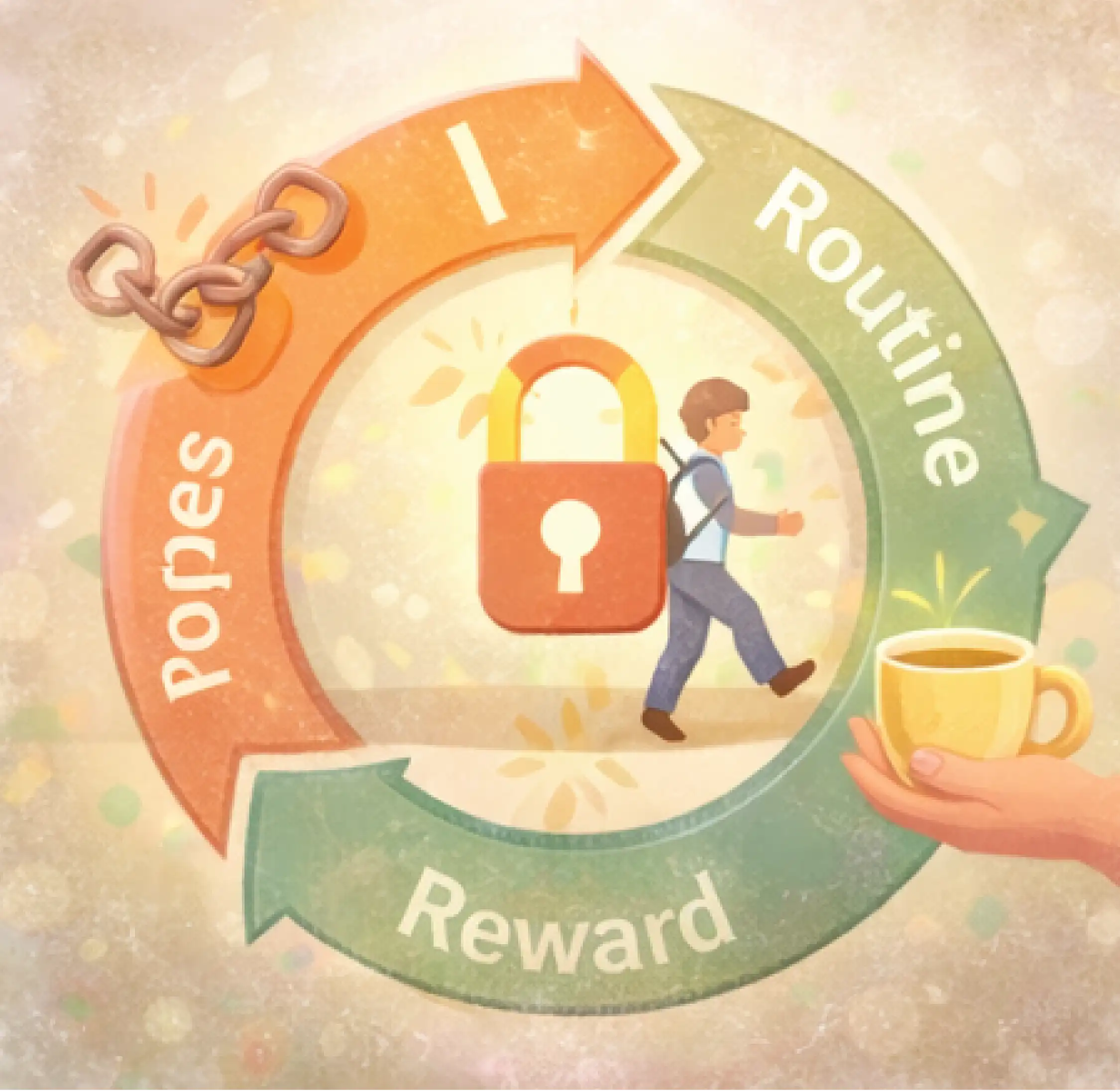
Whatever made you feel safe in childhood (silence, perfection, humour, people-pleasing, withdrawing) becomes your default coping mechanism.3. How to Process Emotions
If expressing emotions was discouraged, you grow into an adult who suppresses feelings, numbs them, or explodes under stress.4. How to Earn Love or Approval
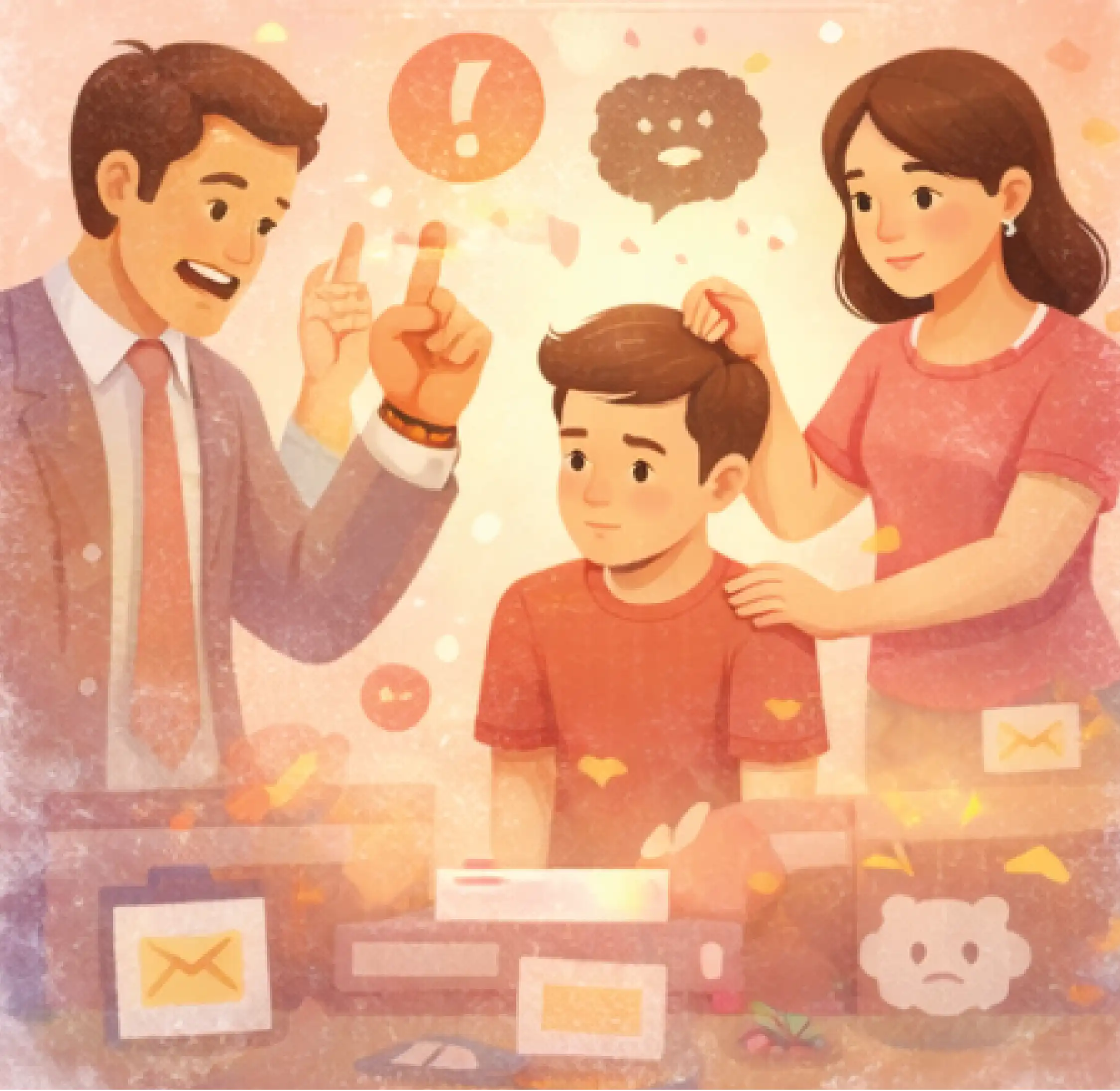
If love or acceptance was conditional (marks, behaviour, obedience), your adult self becomes hyper-sensitive to rejection. These patterns form a lens through which you interpret every interaction — often without knowing it.Common Childhood Conditioning Patterns That Create Adult Triggers
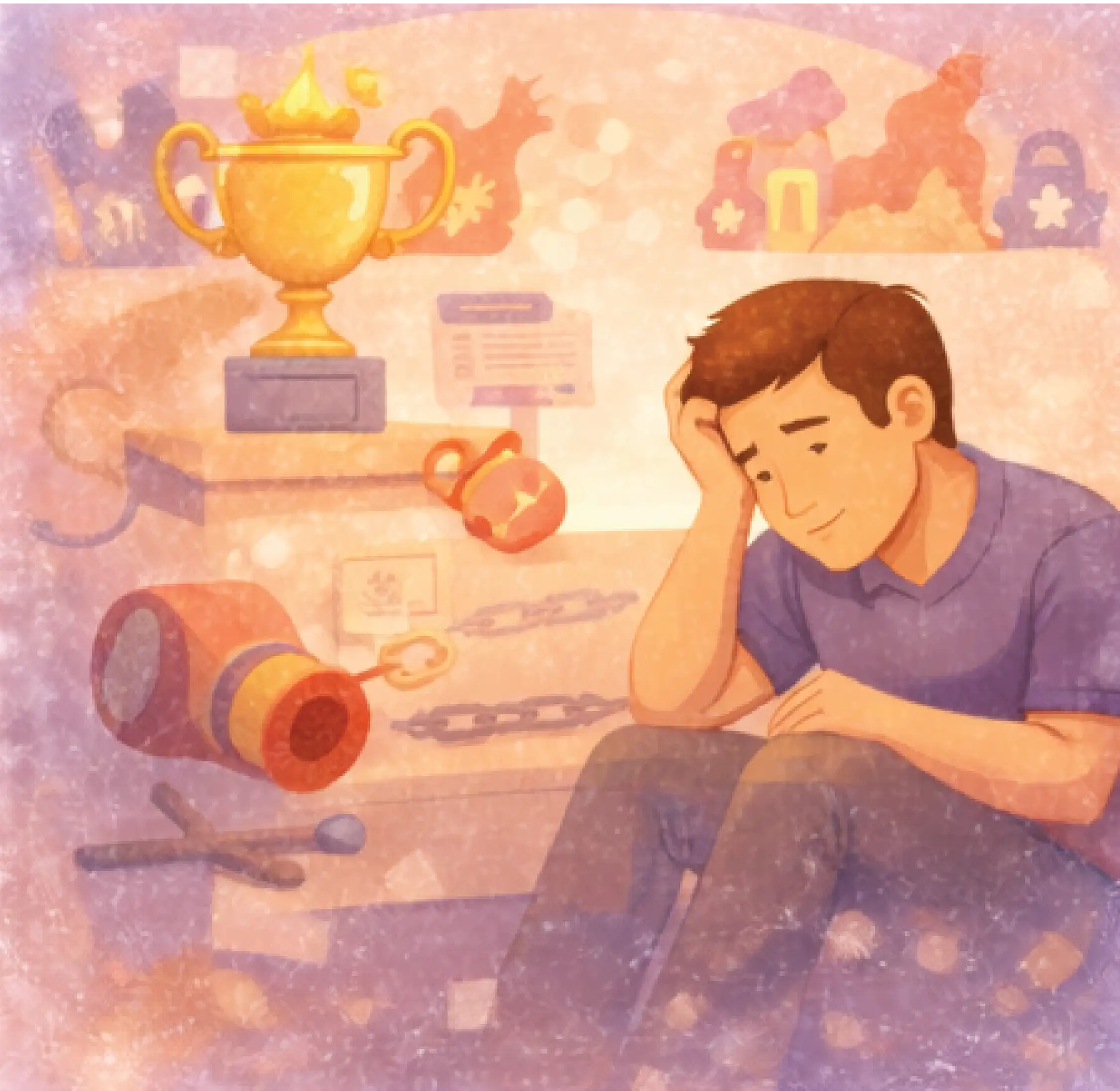
Let’s explore the patterns most counsellors see.1. “Don’t Make Mistakes” Conditioning → Fear of Failure & Perfectionism
If you were scolded for mistakes, compared to others, or rewarded only for achievement, you learned a rule: “Mistakes = danger. Perfection = safety.” As an adult, this becomes:- anxiety before decisions
- procrastination
- panic when someone points out an error
- fear of trying new things
- harsh self-criticism
- burnout from overworking
2. “Stay Quiet” Conditioning → Avoidance of Conflict
If childhood conflict was loud, scary, unpredictable, or emotionally intense, you learned: “Conflict = unsafe.” As an adult, this becomes:- avoiding difficult conversations
- staying silent to maintain peace
- fear of disappointing others
- shutting down when confronted
- extreme discomfort with assertiveness
3. “Be Good” Conditioning → People-Pleasing & Over-Accommodation
Many children grow up hearing: “Be a good kid.” “Don’t upset anyone.” “Don’t talk back.” The child learns: “My worth comes from pleasing others.” Adult triggers include:- anxiety when someone is upset
- inability to say no
- feeling responsible for others’ emotions
- guilt for prioritising yourself
- panic when someone disapproves
4. “Stop Crying” Conditioning → Emotional Suppression & Numbness
If emotional expression was dismissed — “Don’t cry,” “You’re exaggerating,” “Stop being sensitive” — you learned: “Emotions are unacceptable.” As an adult:- you avoid vulnerability
- you cannot express pain
- breakdowns feel shameful
- you emotionally numb out
- you explode suddenly when overloaded
5. “You’re Too Much / Not Enough” Conditioning → Identity-Based Triggers
If you repeatedly heard: “You’re too emotional.” “You’re too talkative.” “You’re not smart enough.” “You’re too sensitive.” Your identity formed around inadequacy or overcompensation. Adult consequences:- fear of judgement
- hyper-sensitivity to feedback
- feeling never good enough
- perfectionism
- extreme self-comparison
- identity confusion
6. “We Don’t Talk About Problems” Conditioning → Avoidance & Emotional Distance
If your family avoided discussing emotions, the child brain learned: “Hiding emotions = normal.” As an adult:- you shut down when overwhelmed
- you avoid deep conversations
- you isolate under stress
- you fear vulnerability
- you stay distracted to avoid thinking
Why Childhood Conditioning Stays So Powerful Into Adulthood
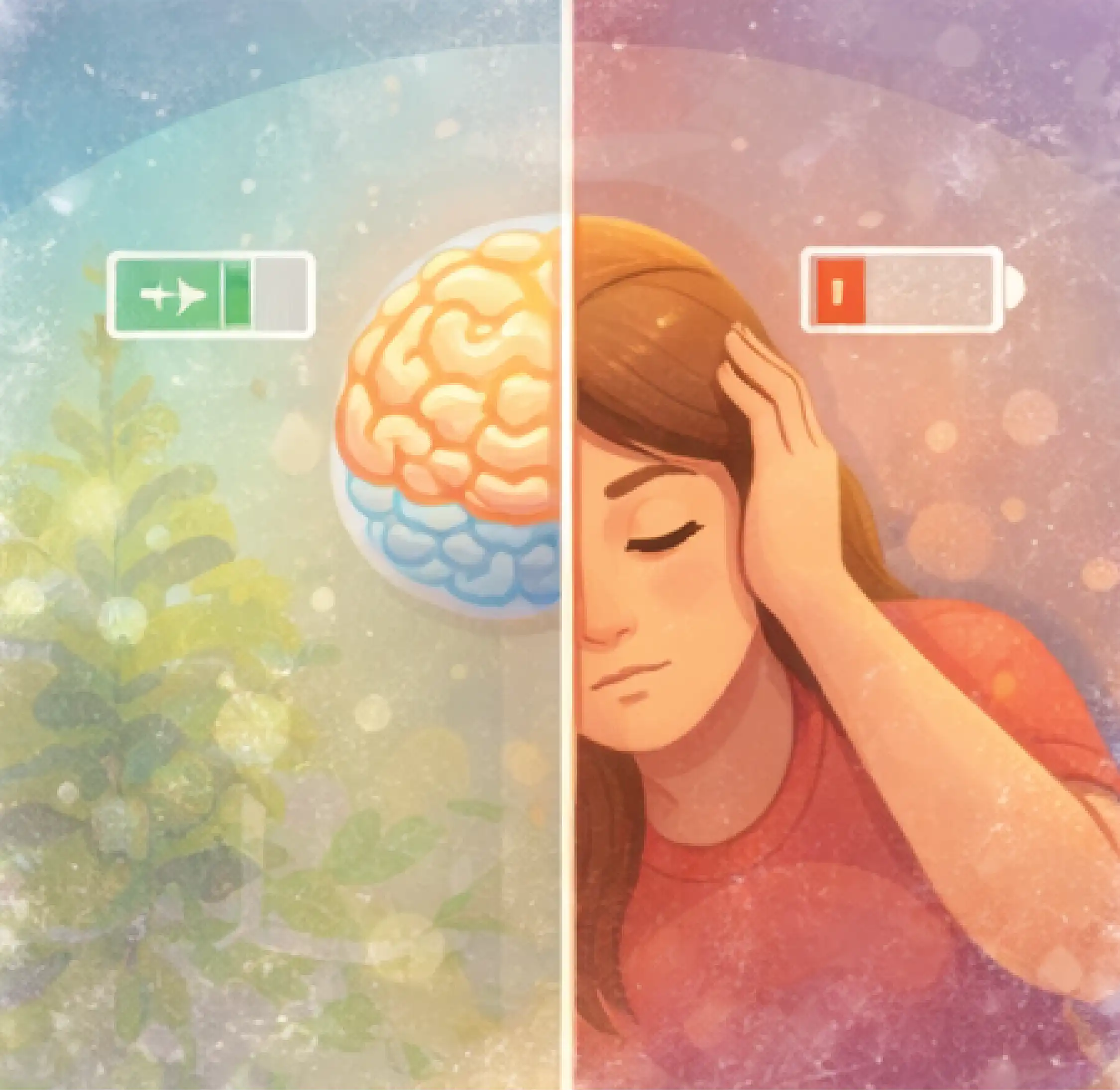
Because the emotional brain matures earlier than the logical brain. The limbic system (fear, emotion, memory) develops first. The prefrontal cortex (logic, reasoning, self-reflection) develops much later. This means emotional memories get stored without context, while logical memories get stored with context. As a child, your emotional brain recorded danger — but your logical brain wasn’t developed enough to understand it. So the body still reacts to childhood fears with adult triggers. A raised voice. A disapproving look. A delay in response. A sudden change in tone. A criticism. A conflict. A misunderstanding. These can activate old neural pathways in milliseconds.How Counsellors Help Decode Childhood Conditioning
Most adults don’t realise their behaviours come from childhood. A counsellor maps it out using:- emotional timeline exploration
- attachment style analysis
- belief mapping
- trigger identification
- cognitive distortion analysis
- inner child work
- behavioural pattern tracing