
“We Keep Fighting About the Same Thing.”
But It’s Never About the Thing, Is It? It’s not about the dishes. Or the phone. Or that one word you said last night. It’s about something deeper. Quieter. Older. That familiar argument — the one that replays like a broken record — isn’t just a disagreement. It’s part of a conflict cycle. And unless you understand how these cycles form, you’ll keep reacting instead of healing. Here’s the truth most couples never hear: Your fights aren’t failures — they’re patterns. And patterns can be decoded. Let’s dive into how counsellors break these loops — not by solving the surface fight, but by going beneath it.The Psychology of Repeating Conflict: Why Do We Get Stuck?
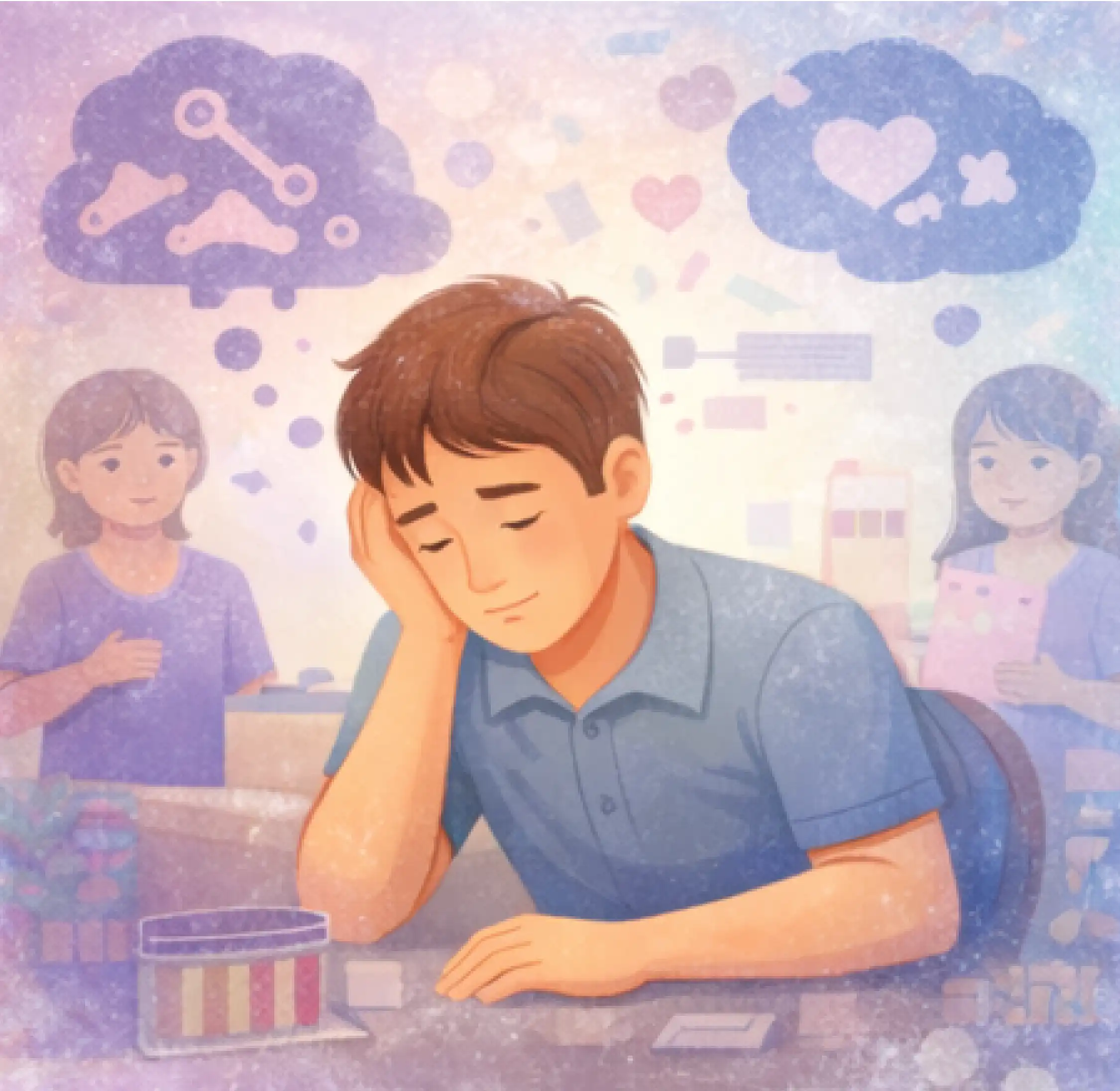
Every relationship has tension. But when the same fights happen over and over — often escalating or ending in emotional withdrawal — you’re not in a disagreement. You’re in a cycle. Conflict cycles often look like this:- One partner feels hurt or unheard
- They protest — by raising their voice, blaming, or shutting down
- The other partner reacts defensively — or emotionally checks out
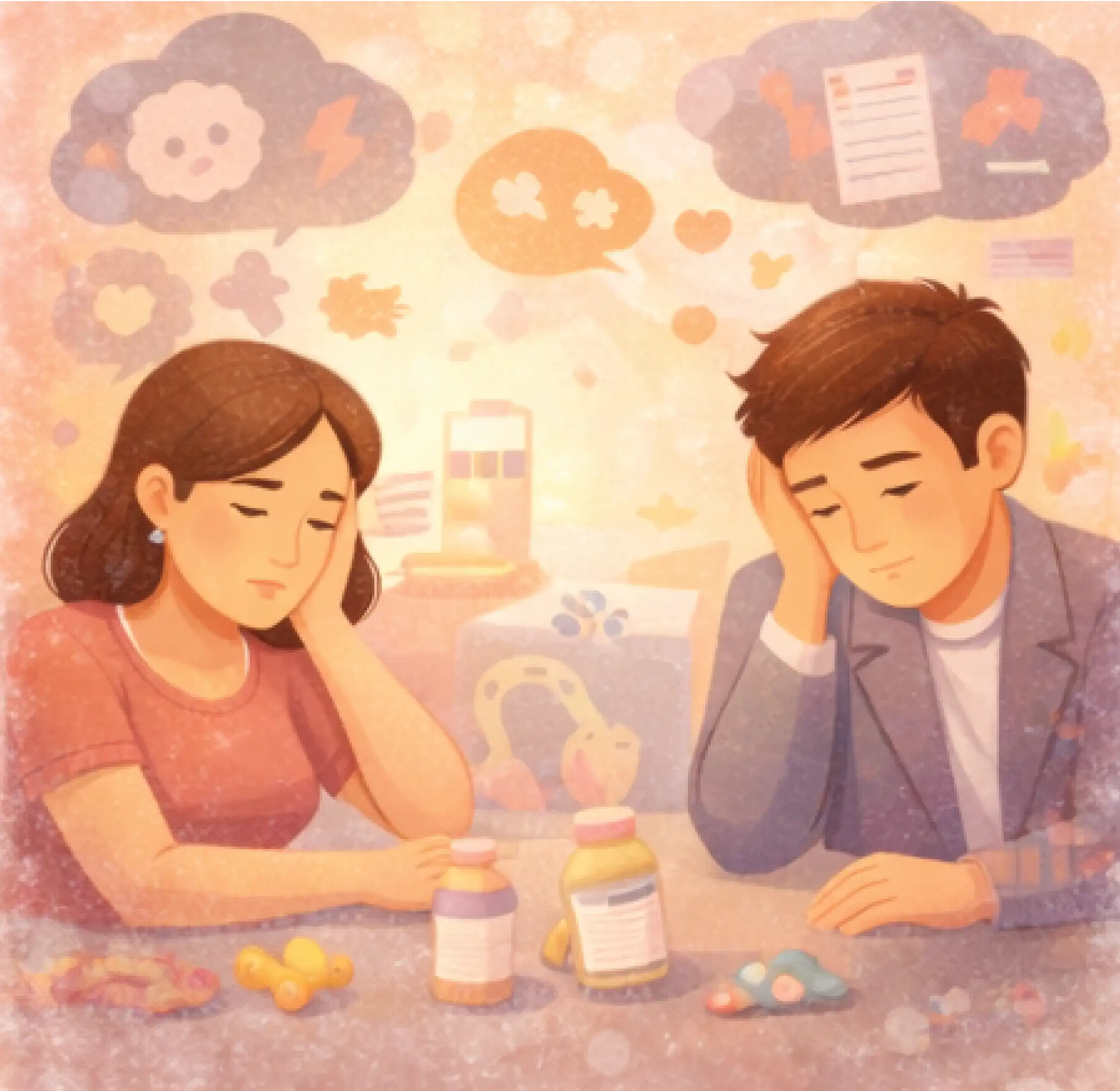
- Both feel misunderstood
- Silence or unresolved anger follows
- A temporary peace forms (until the next trigger starts it all again)
Real-Life Conflict Triggers Are Rarely What They Seem
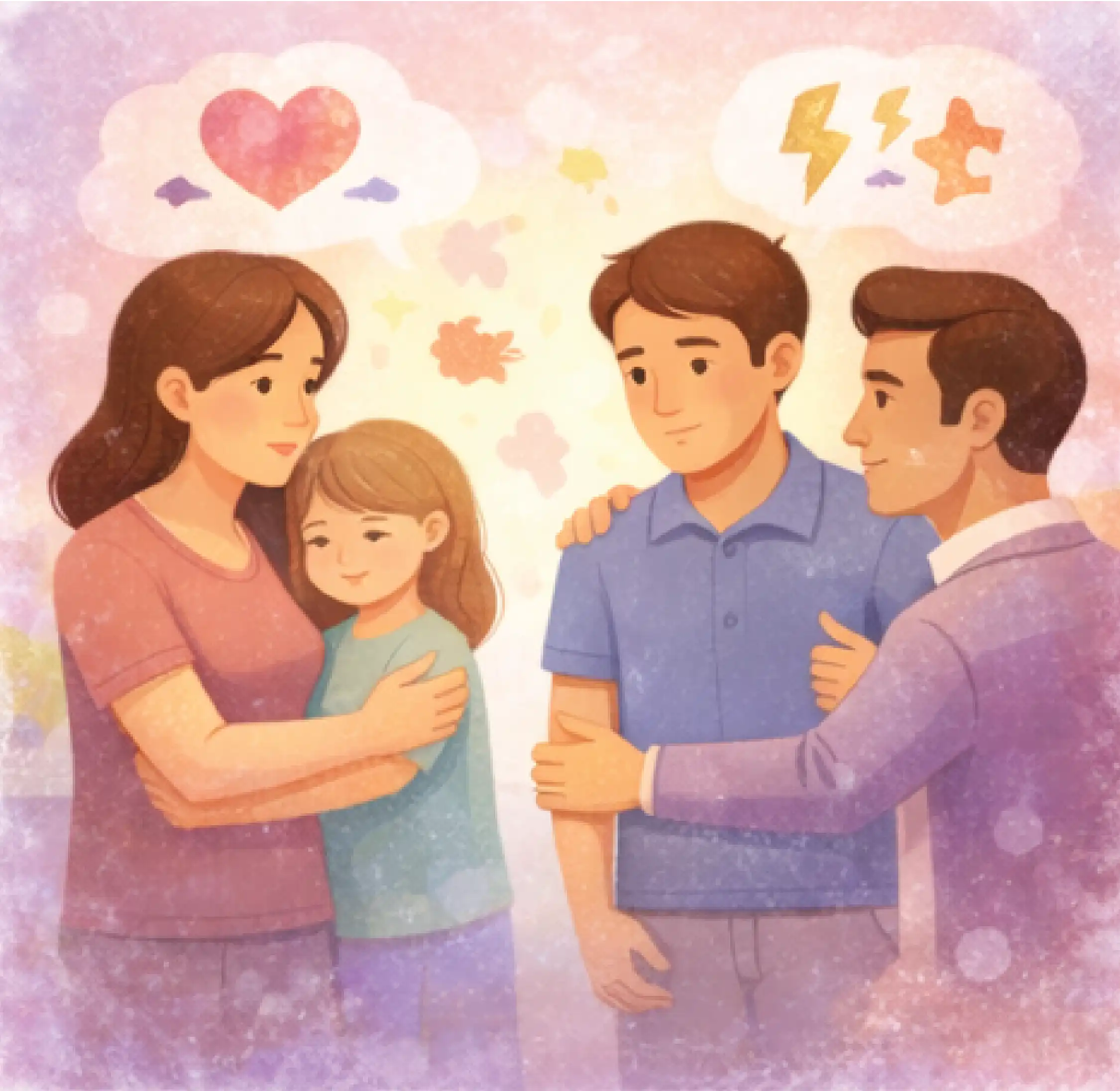
Let’s decode a common couple dynamic: Partner A: “You never listen to me.” Partner B: “You’re always criticising me. I can’t do anything right.” What’s happening underneath?- Partner A may be dealing with emotional abandonment wounds — needing to feel heard to feel safe
- Partner B may carry shame-based defensiveness — interpreting feedback as attack
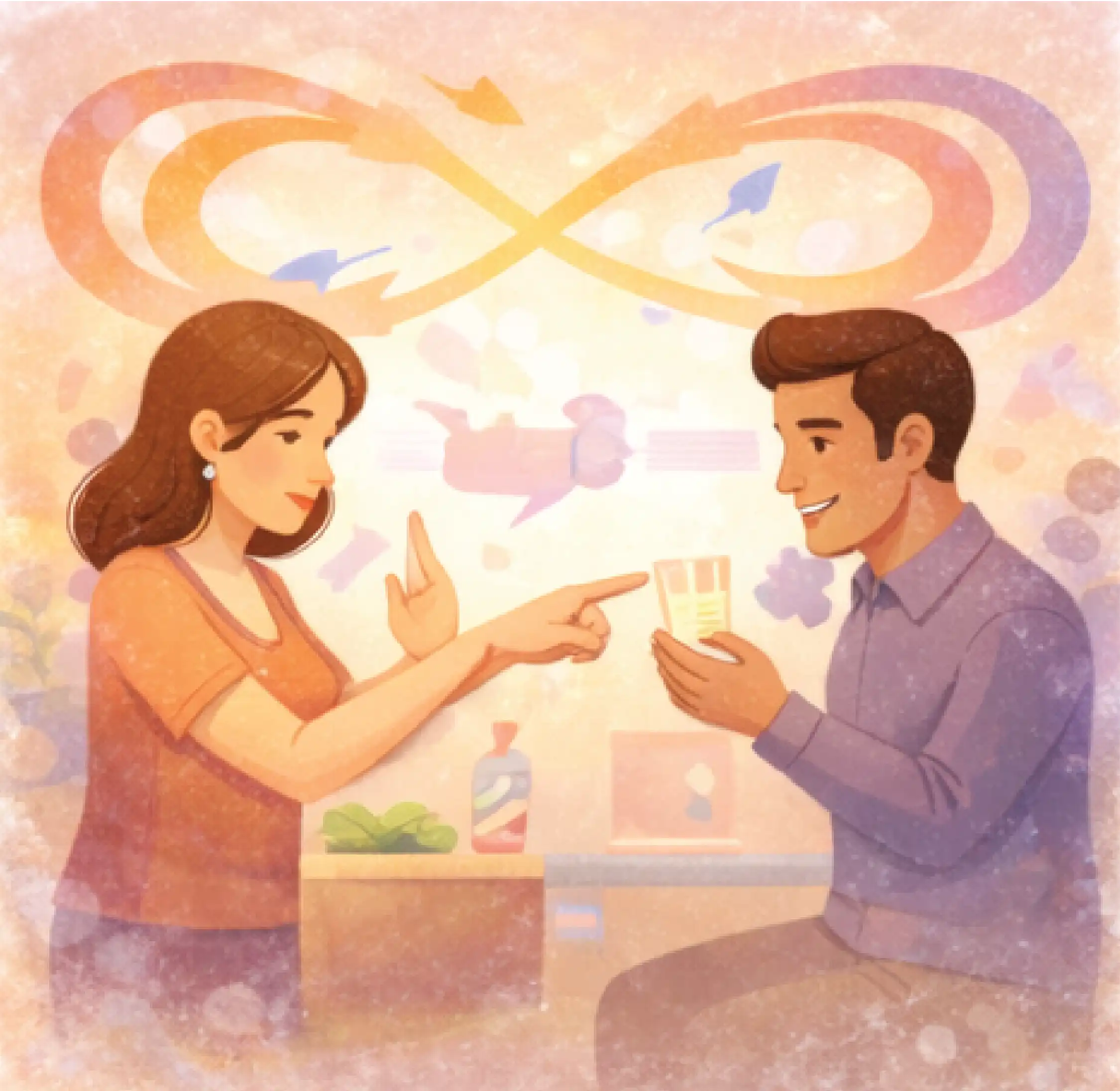
- Protest
- Defense
- Withdrawal
- Repeat
Where Do These Cycles Come From? (Spoiler: Our Past)
Conflict patterns don’t start in relationships — they show up there. Many are shaped by:- Attachment styles developed in childhood
- How emotions were handled in the family (Was anger punished? Was sadness ignored?)
- Whether vulnerability felt safe
- Past relationship wounds (infidelity, abandonment, betrayal)
- Unspoken roles (“I’m the fixer”; “I’m the silent one”)
How Counsellors Help Break the Pattern
A trained relationship counsellor doesn’t just moderate a fight. They help decode the emotional wiring beneath the fight. Here’s how:1. Pattern Mapping
They identify your recurring dynamic (e.g. pursue–withdraw, blame–defend, silence–rage).2. Emotion Labeling
Partners learn to name what’s really happening inside:- “I feel abandoned.”
- “I feel rejected.”
- “I feel powerless.”
3. Attachment Reframing
Partners learn: “I’m not fighting you — I’m reacting from my need to feel safe.” This shifts the mood from conflict to curiosity.4. Communication Rewiring
Counsellors teach skills like:- Soft startup (how to bring up issues without triggering)
- Emotional mirroring (how to reflect rather than react)
- Repair attempts (how to de-escalate early)
5. Repatterning Responses
Over time, couples develop new micro-habits: pausing, breathing, validating, owning feelings — instead of repeating defensive scripts. The result? A new emotional dance, where trust is rebuilt step by step.How to Know If You’re in a Conflict Cycle
Ask yourself:- Do we have the same argument with different words?
- Does it often end in silence or resentment?
- Do small issues turn into emotional explosions?
- Do I feel unheard no matter how I say it?
- Do I assume bad intent before asking questions?