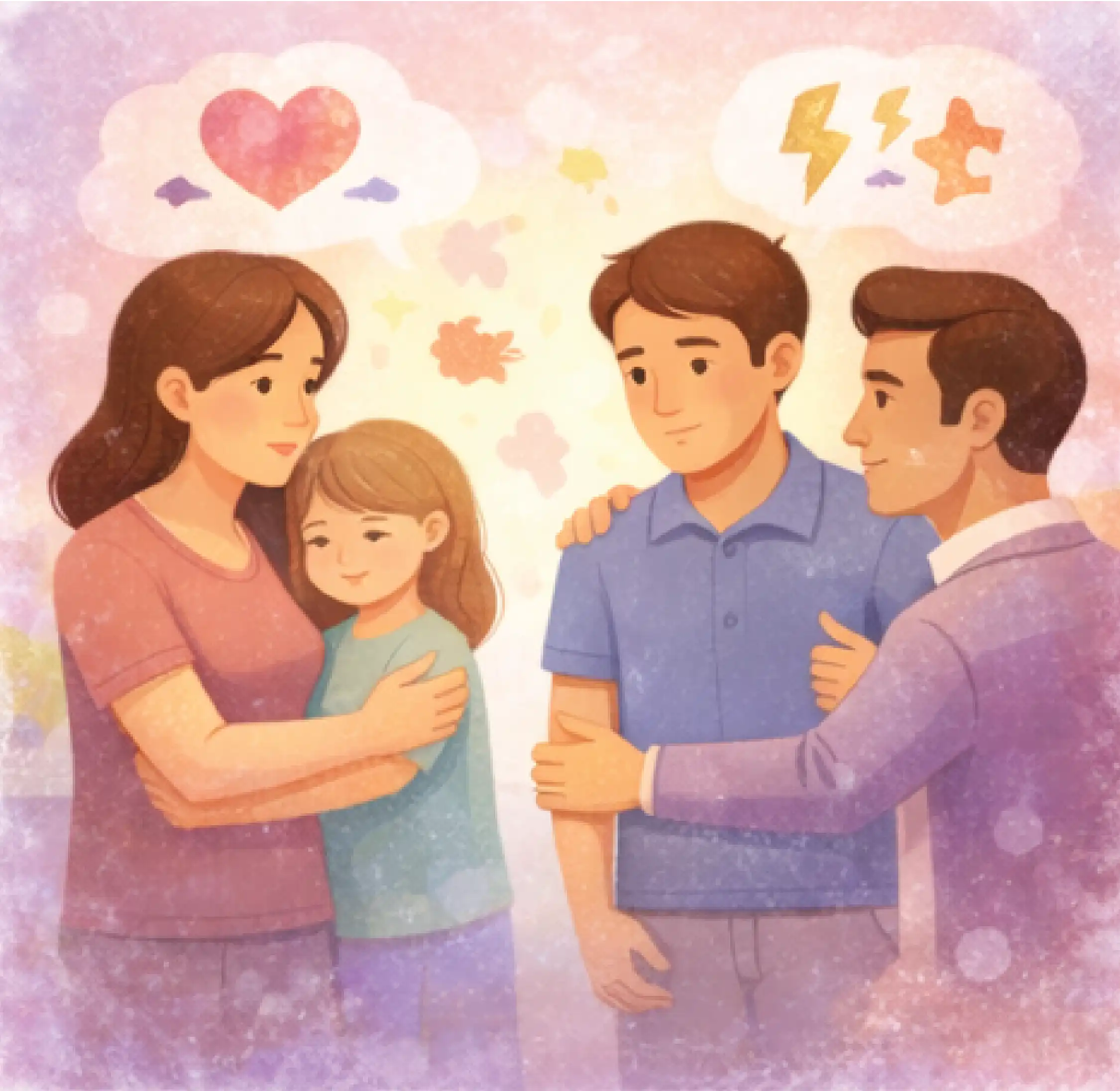

“He’s Always On His Phone. She Doesn’t Talk To Me Anymore.”
But… What If It’s Not Rebellion? What If It’s Attachment? Let’s pause that argument for a second. You’re not a bad parent. They’re not a bad kid. But something between you — quiet, invisible, deep — is shaping the way you relate to each other every day. It’s not attitude. It’s not hormones. It’s attachment. Most parents think attachment ends when a child stops needing to be held. Psychologists know: It never ends. It simply evolves into the emotional blueprint your child will use to interpret love, safety, trust — and even conflict — for the rest of their life. So if your teen is anxious, withdrawn, reactive, or emotionally avoidant… It may not be a “phase.” It might be an echo of early bonding. Let’s unpack the science of attachment styles — and how they predict everything from teen mental health to future relationships.Attachment Styles: The Emotional Blueprints We Build Before We Speak
Attachment theory, pioneered by John Bowlby and expanded by Mary Ainsworth, explains how early interactions with caregivers form the foundation of how we regulate emotions, perceive relationships, and respond to stress. There are four major attachment styles — each one with very real effects on teen behaviour:1. Secure Attachment
The gold standard. Built when a child’s emotional and physical needs are consistently met. These teens:- Trust others easily
- Express emotions openly
- Bounce back from failure
- Are okay being alone and being close
2. Anxious Attachment
Formed when care is inconsistent — sometimes warm, sometimes distant. These teens:- Crave reassurance
- Fear abandonment
- Read too much into silence
- Struggle with self-worth
3. Avoidant Attachment
Develops when care is emotionally cold, overly practical, or dismissive. These teens:- Avoid closeness
- Suppress emotions
- Prefer independence to connection
- Seem “emotionally cold” but are often hurting inside
4. Disorganised Attachment
The most complex — often a result of trauma, neglect, or chaotic caregiving. These teens:- Display unpredictable moods
- Swing between clinging and pushing away
- Often struggle with identity, trust, and emotional control
“But I Love My Child! How Could They Feel Unsafe?”
This is the most common heartbreak for parents. You gave them everything. You did your best. But attachment isn’t built by intent — it’s built by emotional consistency. Love is not the same as emotional attunement. A parent can love their child deeply, but if the child often felt unheard, invalidated, or emotionally alone — attachment security suffers. Examples?- A parent who says “You’ll be fine. Don’t cry.” when the child’s scared.
- A busy parent who listens while scrolling their phone.
- A disciplinarian who uses silence as punishment.
- A well-meaning parent who over-schedules the child but misses their quiet distress.
Teen Mental Health: When Attachment Comes Back in Full Force
Attachment wounds show up quietly in early childhood. But they scream during adolescence. Why? Because teenage years are a time of:- Identity formation
- Increased emotional sensitivity
- Peer bonding pressure
- Academic and performance stress
- Hormonal chaos
- Overattach to romantic partners or friends
- Crave constant validation (anxious style)
- Withdraw emotionally and act cold (avoidant style)
- Display chaotic emotions and impulsive decisions (disorganised style)
- Anxiety disorders
- Social phobia
- Depression
- Panic attacks
- Self-harm urges
How Screening Tools (Like at Mr. Psyc) Help Decode the Hidden Patterns
Modern adolescent mental health platforms, like Mr. Psyc, use psychometric screening to identify patterns rooted in attachment behaviour. These tools assess:- Emotional regulation ability
- Parent-child perception gaps
- Reaction to conflict
- Need for validation or avoidance
- Stress response patterns
- Help parents repair emotional bridges
- Coach teens in new ways to regulate emotions
- Break unhealthy cycles before they turn into adult mental health disorders
- Rewire old scripts with healthier narratives
So… Can Attachment Be Repaired Later?
Yes. Yes. Yes. This isn’t a life sentence. Attachment patterns are adaptable — especially during adolescence and early adulthood. Here’s what helps:- Parents learning to validate instead of fix
- Being emotionally present without being overbearing
- Letting teens express without immediate correction
- Apologising for past emotional misses
- Family counselling sessions that shift dynamics, not just the child