
What If Your Therapy Came With a Progress Bar?
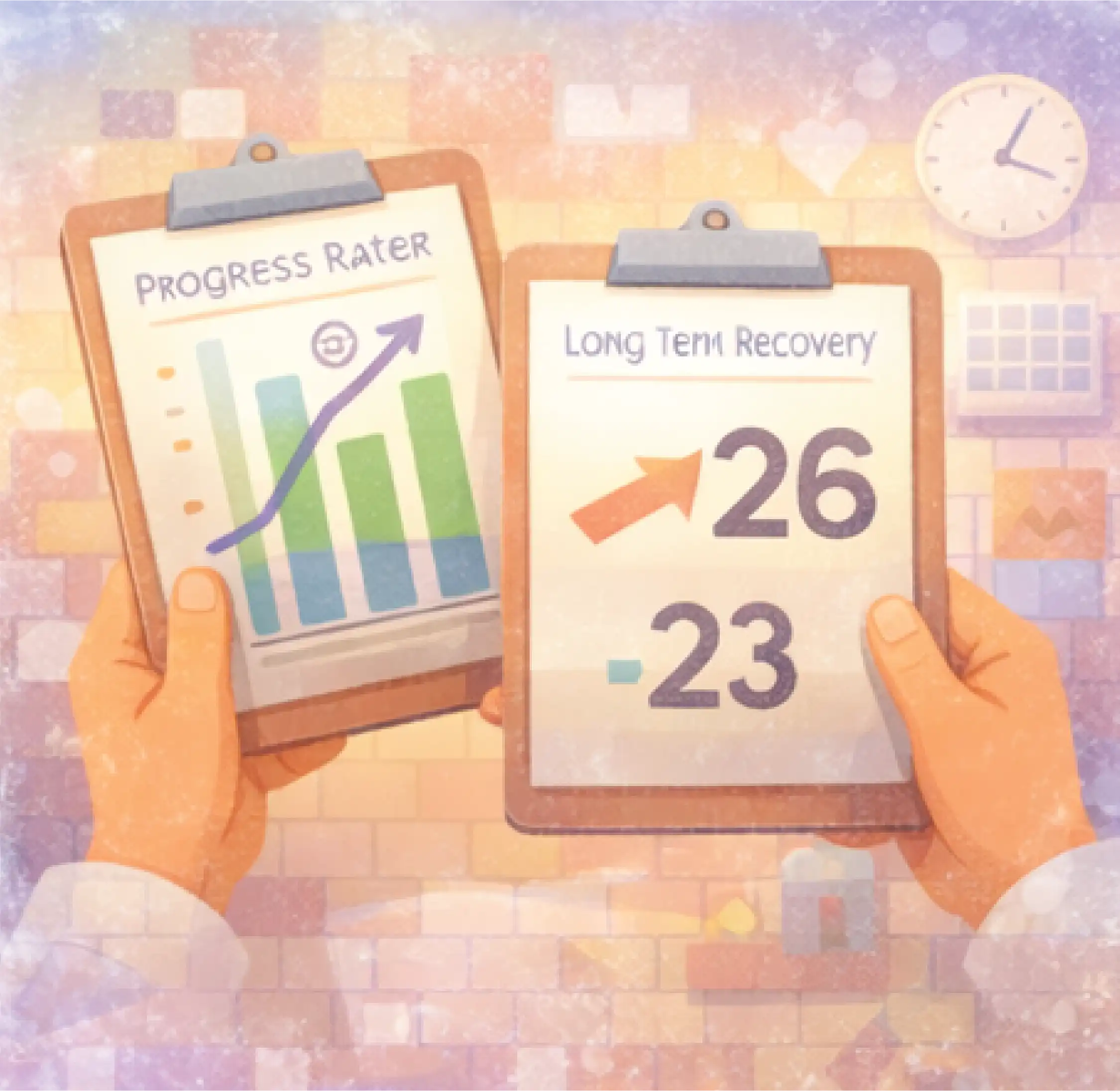
Imagine this: You walk into a counselling session, and instead of the usual “So, how have you been feeling?” your therapist says: “Based on your current data, you’re 62% into your emotional recovery pathway. Anxiety frequency is down, sleep is stabilising, and your coping score has improved by 17% over the last month.” No vague nods. No emotional guesswork. Just clarity, metrics, and real progress tracking — in plain sight. This is not the future. This is Measurement-Based Care — and it’s already here.Therapy 1.0: When It Was All Talk
Traditionally, mental health care was driven by:- Hour-long conversations
- Observational insight
- Therapist intuition
- “How do you feel today?” summaries
What Is Measurement-Based Care (MBC)?
MBC is a clinical approach that involves systematic, ongoing assessment of a client’s progress using standardised tools and data analytics — used to inform and personalise treatment in real-time. In simple terms: It means your therapy doesn’t run on vibes. It runs on validated insight. Every 1–2 sessions, your mental state is measured through:- Psychometric tools
- Behavioural data
- Recovery indices
- Emotional change logs
- Triage red flags
Why This Matters More Than Ever
In the age of teletherapy, workplace wellness programs, and app-based counselling, MBC becomes essential:- Remote therapists need digital visibility into client shifts
- Corporate clients demand ROI on EAP programs
- Schools and colleges want structured care for students
- Clients themselves want to see proof of progress
- Sharper
- Faster
- More accurate
- Emotionally safer
- Clinically more trusted
What MBC Looks Like Inside Mr. Psyc
At Mr. Psyc, MBC isn’t a layer — it’s the framework. Here’s what happens:1. Initial Psychometric Screening
We begin with clinical-grade tools:- PHQ-9, GAD-7, DASS-21, WSAS
- Cognitive reactivity scales
- Sleep, energy, focus, and behavioural patterns
2. Session-by–Session Feedback Loops
Each session ends with short feedback tools from both client and counsellor. We assess:- Emotional regulation
- Symptom intensity
- Functional change
- Coping tool application
- Therapy goal tracking
3. Recovery Dashboard
Clients get periodic updates on:- Progress over time
- Areas still under stress
- Goals achieved vs pending
- Relapse risk indicators
- Recovery Forecast Index
4. Clinical Adjustments in Real–Time
If the data shows stagnation or relapse risks, the counsellor adjusts:- Session frequency
- Therapeutic approach (e.g., CBT vs trauma therapy)
- External referrals if needed (e.g., psychiatry)
- Behavioural homework design
Benefits for Everyone Involved
For Clients:
- See tangible growth
- Trust the process
- Know when to continue or pause
- Get early warnings before crises hit
For Counsellors:
- Avoid bias or emotional misreads
- Adjust plans faster
- Reduce dropout rates
- Improve client satisfaction and outcomes
For Institutions:
- Demonstrate impact with data
- Optimise mental health budgets
- Reduce liability by using clinical tools
- Justify funding and scaling decisions
Why “Measurement” Doesn’t Make Therapy Robotic
Here’s a common fear: “But if you turn therapy into numbers, won’t it feel cold and robotic?” The truth is the opposite. Measurement doesn’t replace human connection — it enhances it. A skilled therapist uses data as a compass, not a calculator. It guides the path — but the journey is still deeply human. Clients feel more understood when their progress is visible. They stay engaged longer. They reflect deeper. They trust more. That’s not cold. That’s precision care with heart.How MBC Protects Against Dropout & Burnout
One of the biggest reasons clients drop out? “I didn’t feel like anything was changing.” One of the biggest reasons counsellors burn out? “I didn’t know if I was helping.” MBC fixes both. It gives clients feedback. It gives counsellors clarity. It gives the system structure.Global Momentum: It’s Not Just Mr. Psyc
Major health systems and therapy providers across the US, UK, Canada, and Australia are adopting MBC as standard. Studies show that MBC:- Improves client outcomes by 30–50%
- Reduces therapy dropouts
- Enhances therapeutic alliance
- Enables early detection of deterioration
- Optimises time-to-recovery
So, What’s the Future of Mental Health?
Not more motivational quotes. Not endless sessions with no visible change. But precision, care, insight, and tracking. Imagine:- Therapy that adjusts in real-time
- Clients empowered by data
- Counsellors making decisions based on science
- Organisations scaling care without scaling burnout