
Why Motivation Isn’t a Switch (It’s a Chemical Process)
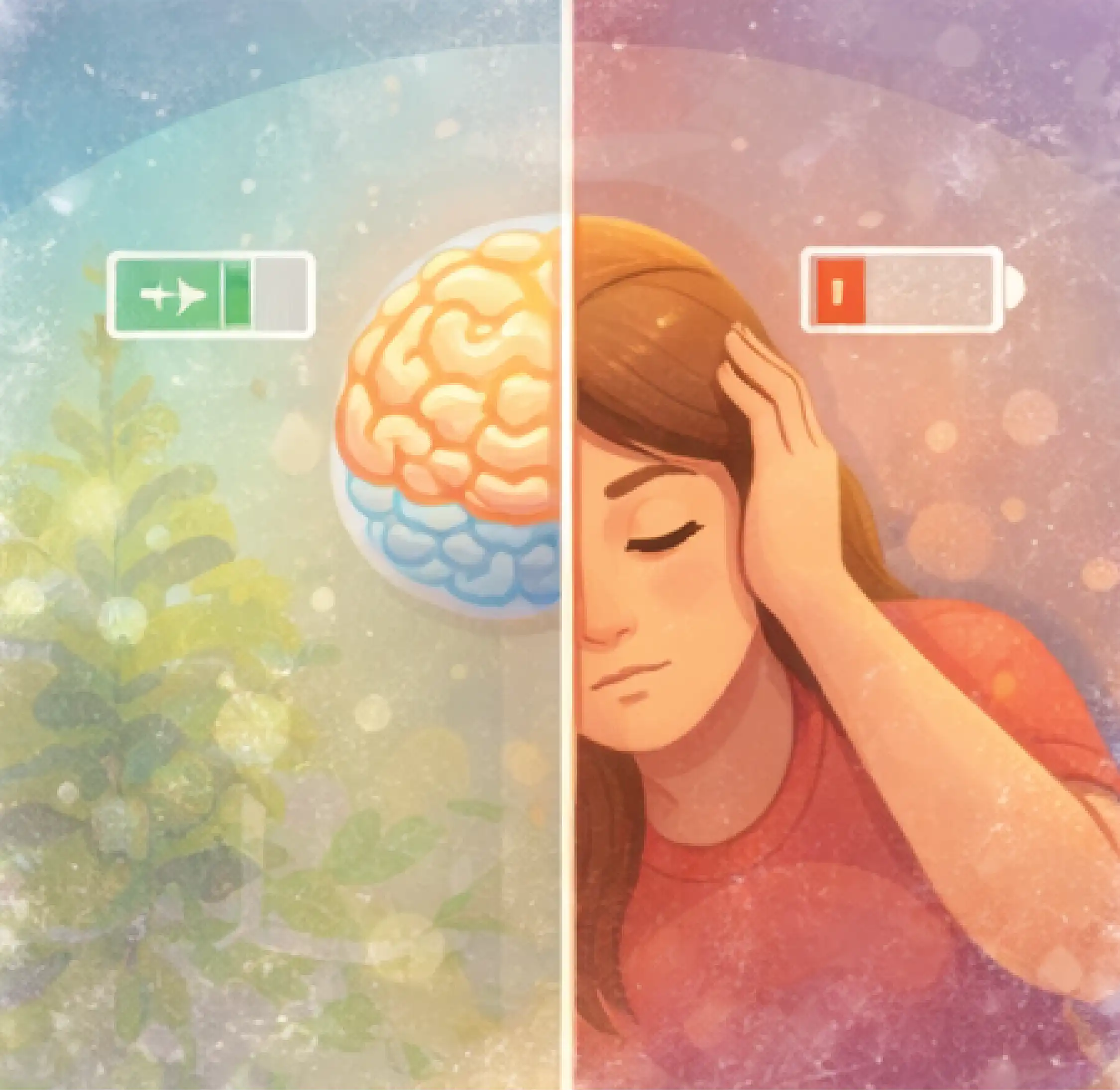
When people say, “I don’t feel motivated,” what they’re really describing is a drop in dopamine—the brain’s “anticipation and reward” chemical. Dopamine is not about happiness; it’s about movement towards something. It makes you feel like doing, pursuing, completing, progressing. The problem is that dopamine is highly sensitive to:- previous failures
- repeated disappointments
- chronic stress
- burnout
- shame and self-criticism
- unrealistic expectations
The Brain Loves Evidence, Not Promises
Your brain doesn’t believe what you tell it; it believes what you prove to it. You can say, “From tomorrow, I’ll change my life,” and your brain quietly responds, “We’ve heard this before.” But if you say nothing and instead complete one small action every day for ten days, the brain begins to update its internal script: “Oh. We are actually doing things now. Maybe change is possible.” Counsellors understand this deeply. They know that:- one small completed action
- is more powerful for motivation
- than a hundred emotional declarations.
What Exactly Is a Micro-Win?
A micro-win is not a random “small task.” It is a strategically chosen, psychologically realistic action that:- Is easy enough that your brain doesn’t resist it.
- Is meaningful enough that your emotions recognise it as progress.
- Is specific enough that you know when it’s “done.”
- Is repeatable so it can form a pattern.
- Instead of “I will fix my sleep,” → “I will put my phone away 15 minutes earlier tonight.”
- Instead of “I will stop overthinking,” → “I will write down my top three worries once a day.”
- Instead of “I will get healthy,” → “I will walk for 10 minutes after lunch.”
- Instead of “I will change my life,” → “I will complete one helpful action before 11 a.m.”
Why Counsellors Start Small on Purpose (Even When You Want Big Change)
When a client comes to counselling, they’re often desperate for change. They want fast relief, big breakthroughs, visible transformation. Their mind says, “Tell me what to do, I’m ready to change everything.” A trained counsellor doesn’t get seduced by that urgency. They know that starting too big is the fastest way to fail. Big goals do one dangerous thing: they trigger your brain’s fear circuits. “I’ll completely stop social media from tomorrow.” Your brain: “That sounds painful. Reject.” “I’ll never lose my temper again.” Your brain: “Impossible. Reject.” “I’ll study 5 hours daily from now on.” Your brain: “We’ve never done that. Reject.” A counsellor deliberately resizes the goal until your nervous system can say, “Hmm. That actually feels doable.” That is the sweet spot where action becomes possible, not just inspiring in theory.The Neuroscience of Micro-Wins: Dopamine, Confidence and Behaviour
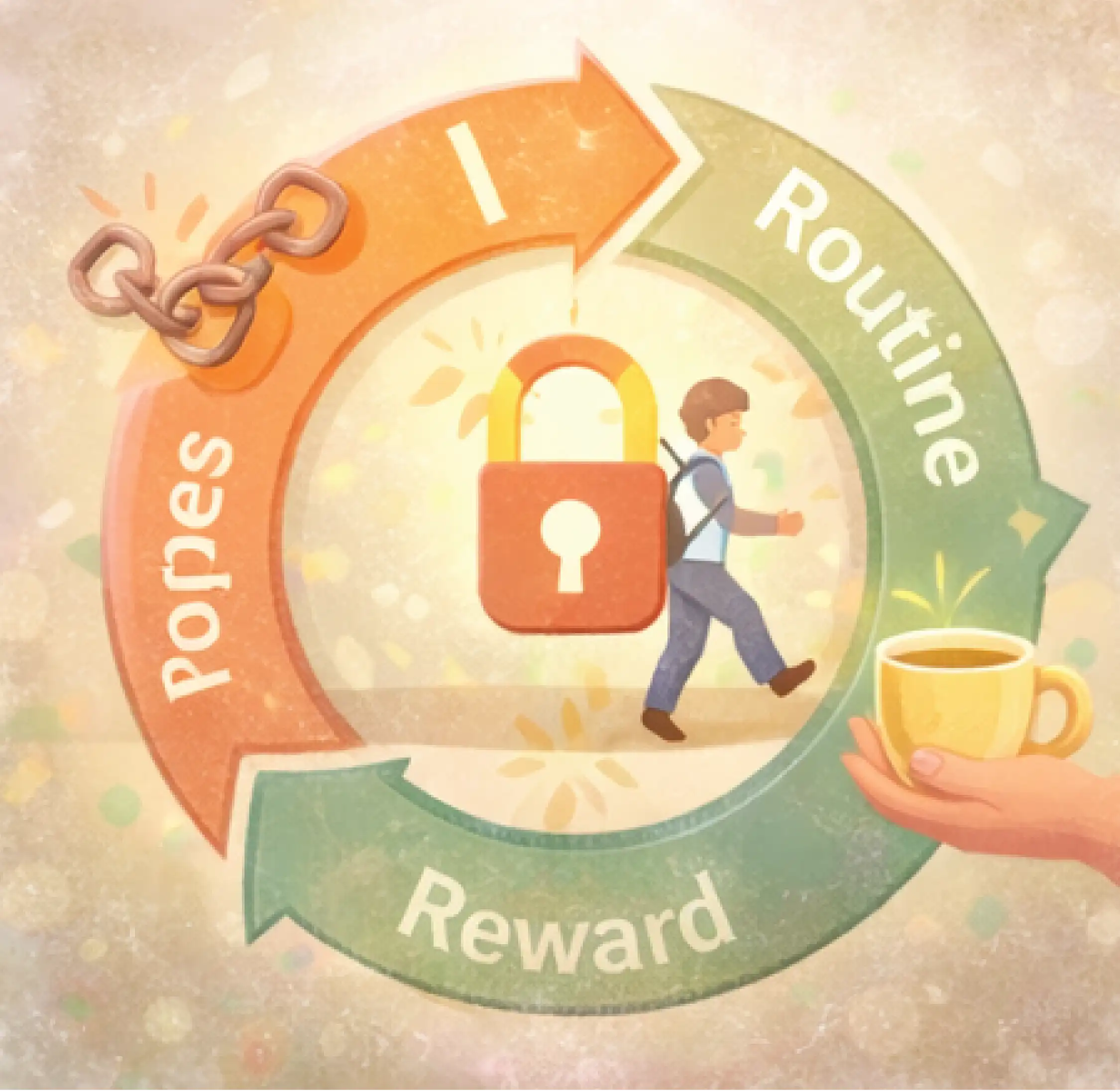
Every time you complete a micro-win, three important things happen in your brain:- Dopamine is released. Not because the task was huge, but because you crossed a clear finish line. The brain loves completion.
- The “I can’t change” belief weakens slightly. The old narrative—“I always give up”—loses evidence. The new one—“I can follow through on small things”—begins to appear.
- Your self-efficacy increases. Self-efficacy is your inner belief: “I can influence my own life.” Research shows that this belief is one of the strongest predictors of long-term change.
Why Big Leaps Fail But Micro-Steps Succeed
Let’s compare two approaches over 30 days. Version A: The Big-Leap Strategy You decide:- “I will meditate 30 minutes daily.”
- “I will completely avoid junk food.”
- “I will sleep by 10 p.m. every day.”
- “I will do 3 minutes of slow breathing once a day.”
- “I will swap one junk snack for something slightly healthier.”
- “I will move my bedtime just 15 minutes earlier.”
How Counsellors Use Micro-Wins Inside Sessions
In professional practice, micro-wins are not random. They are tied to very specific therapeutic goals, such as:- reducing anxiety
- improving emotional regulation
- increasing self-care
- building routines
- stabilising sleep
- reducing avoidance
- increasing communication
- strengthening boundaries
- “This week, instead of forcing yourself to finish everything, your micro-win is: sit with the task for 10 minutes before deciding whether to continue.”
- “Get out of bed and sit near a window for 5 minutes after waking.”
- “Tonight, your only task is: keep the phone out of your hand for the first 10 minutes after waking up.”
The Hidden Benefit: Micro-Wins Reduce Shame
One of the biggest enemies of motivation is shame—the feeling that “something is wrong with me.” Shame crushes the desire to try. When people repeatedly fail big goals, they don’t just lose motivation; they begin to lose respect for themselves. Micro-wins reverse this. When you can say, “I did what I said I would do today,” even if it was small, shame loosens its grip. You are no longer the person who “never follows through.” You’re the person who keeps small promises—and that identity is powerful. Counsellors understand that before they can build big change, they must first rebuild a person’s relationship with themselves. Micro-wins are how that repairing begins.Why Micro-Wins Are Critical in Recovery Journeys
In areas like anxiety, depression, addiction, burnout, or long-term emotional struggle, people often feel like they are starting from minus 20, not zero. Asking them for big habits at that stage is like asking an injured athlete to run a full marathon. Micro-wins acknowledge reality:- Energy is low.
- Confidence is damaged.
- Hope is fragile.
- The nervous system is overloaded.