
The Dangerous Confidence of “Google Psychology”
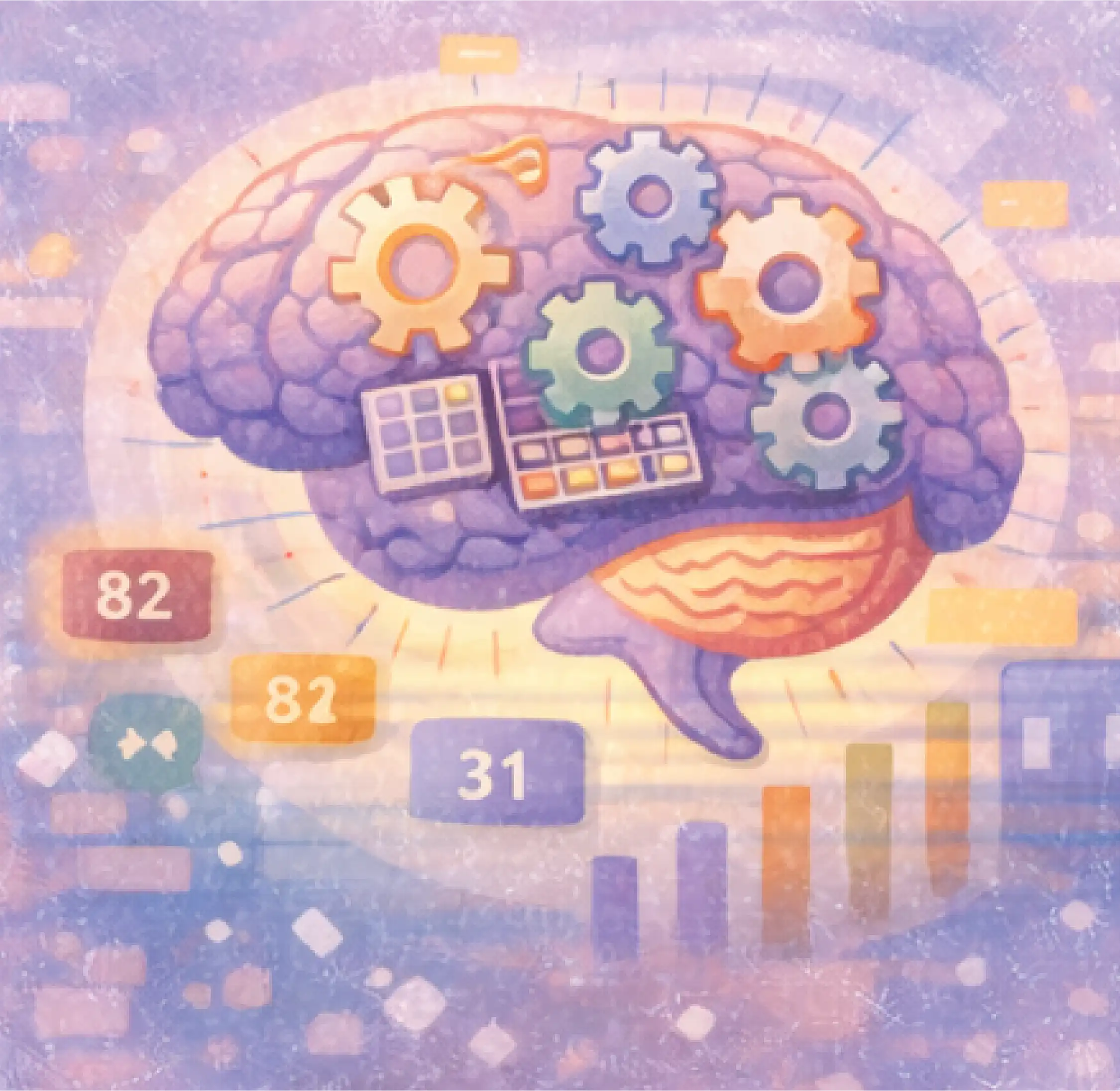
Somewhere between midnight and our third cup of over-boiled chai, we’ve all done it—typed a vague emotional symptom into Google and ended up diagnosing ourselves with all possible mental disorders known to mankind. Feeling tired? → “Could be depression.” Can’t concentrate? → “Maybe ADHD.” Heart racing? → “Might be anxiety.” Feeling blank for a day? → “Is it burnout?” Can’t sleep? → “Possibly trauma.” And let’s be honest… After two minutes of reading, every symptom somehow applies to us. Welcome to the age where self-diagnosis is more common than headaches, and internet psychology has turned every second person into a part-time therapist. But here’s the truth: Self-diagnosis is often inaccurate, misleading, emotionally damaging, and sometimes flat-out dangerous. Not because people are weak or overthinking—but because the mind is far too complex to evaluate without structured tools. This blog will show you why your brain can’t reliably diagnose itself, and why structured screening is the intelligent, scientifically-backed alternative.Why Your Brain Cannot Judge Your Brain (The Psychology of Blind Spots)
Imagine asking a mirror to tell you whether it’s dirty. It can’t—because the thing being inspected is the same thing doing the inspection. That’s exactly how self-diagnosis works. Your brain cannot judge your emotional condition objectively because:- You analyse using the same thoughts that are currently imbalanced
- You evaluate your emotions while inside the emotional storm
- You rely on memory, which is biased under stress
- You underestimate symptoms that have slowly grown
- You overestimate problems when overwhelmed
- You compare yourself with others who are equally confused
- You mistake personality quirks for patterns
- You interpret physical symptoms as emotional ones and vice-versa
Symptoms Lie. Patterns Don’t.
Most people diagnose based on symptoms: “I can’t sleep. I must be anxious.” “I don’t feel interested today. I might be depressed.” “I’m tired. Maybe I’m burned out.” But psychology doesn’t work like that. The same symptom can come from different emotional origins:1. Poor sleep
→ Could be anxiety, depression, lifestyle misalignment, digital fatigue, or caffeine.2. Low motivation
→ Could be early depression, burnout, boredom, or hormonal changes.3. Irritability
→ Could be stress, emotional overload, lack of rest, or frustration.4. Feeling blank
→ Could be emotional numbness, exhaustion, or internal withdrawal.5. Difficulty concentrating
→ Could be anxiety, overwhelm, distraction, overthinking, or nutritional issues. A single symptom means nothing in isolation. Structured screening looks for patterns—not random symptoms. Patterns reveal the truth.The Problem With “Feeling-Based Diagnosis”
People rely on how they feel while diagnosing themselves. But feelings are:- Temporary
- Dramatic under stress
- Fainter during emotional numbness
- Influenced by caffeine, lack of sleep, hormones, and environment
The Illusion of Clarity: Why Google Makes Everything Look Like a Disorder
Search any emotional symptom and Google will show you the worst-case scenario. Because:- Algorithms prioritise dramatic answers
- People click the scariest results
- Content creators magnify symptoms for attention
- Mental disorders have overlapping descriptions
What Structured Psychometric Screening Does Differently
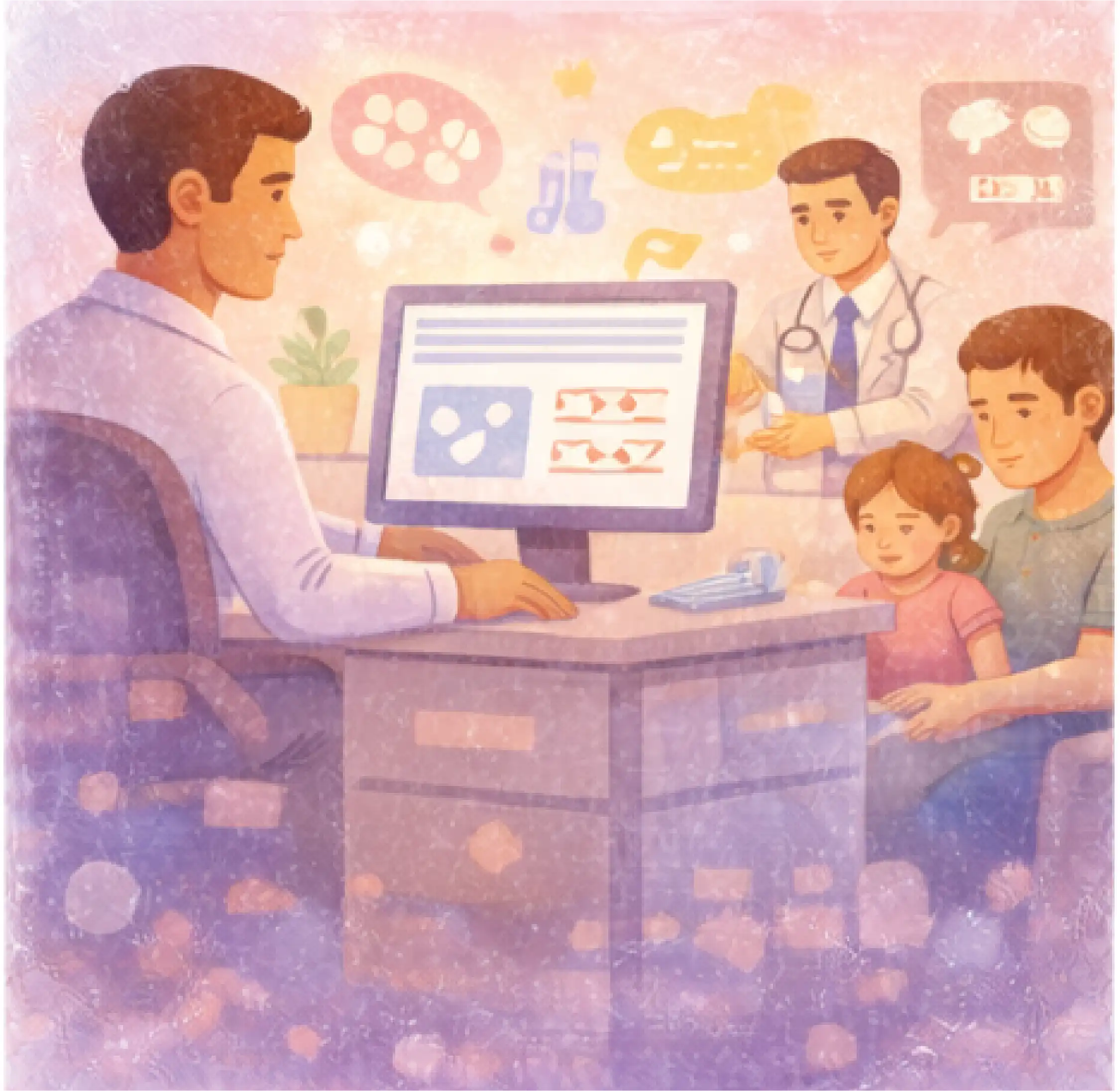
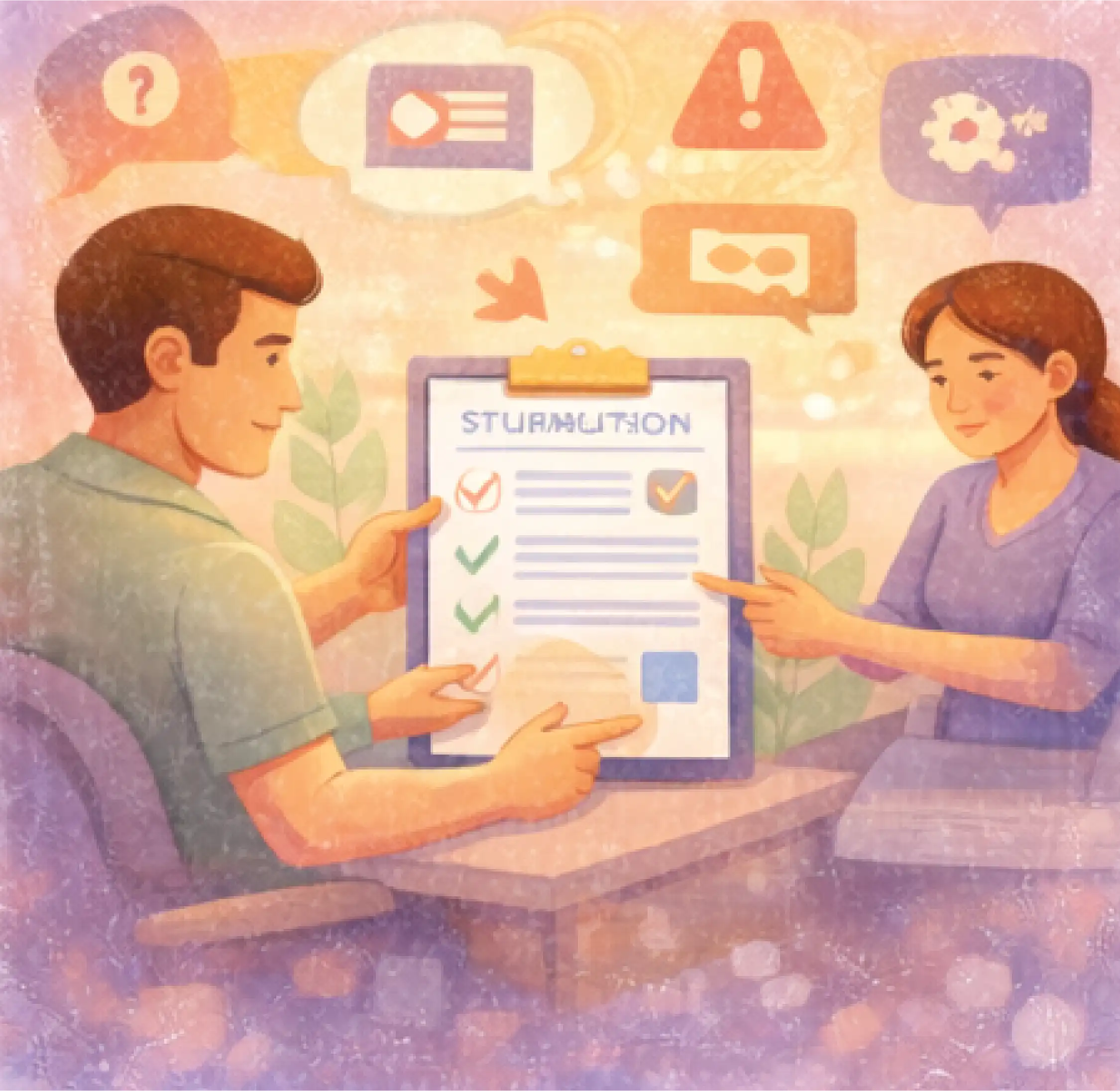
Psychometric tools aren’t emotional guesswork—they are mathematically calibrated psychological instruments. Every question is tied to a behavioural marker. Every score corresponds to a validated emotional scale. Here’s what screening does that self-diagnosis never can:✔ Measures multiple indicators together
Not just one symptom.✔ Analyses patterns across emotional domains
Mood, behaviour, thought style, coping, stress tolerance.✔ Compares your responses with scientific norms
Not with random online opinions.✔ Reduces emotional bias
Because the assessment model is objective.✔ Identifies early-risk indicators
Things people usually overlook.✔ Creates a triage pathway
Tells you whether you need:- Basic guidance
- A counsellor
- A senior counsellor
- A psychiatrist
- A behaviour-change plan
✔ Gives clarity without panic
The goal is understanding, not fear.Why People Misdiagnose Themselves (Real-Life Scenarios)
Let’s look at how easily self-diagnosis goes wrong. Case 1: The High-Functioning Professional Feels tired & unfocused → “I think I’m depressed.” Screening reveals → Burnout, not depression. Case 2: The Overthinker Feels restless & worried → “Maybe I have anxiety disorder.” Screening reveals → Cognitive overload, not clinical anxiety. Case 3: The Teenager Feels withdrawn → “Something is wrong with me.” Screening reveals → Digital overstimulation & emotional exhaustion, not depression. Case 4: The Mother Feels irritated often → “I’m losing control.” Screening reveals → Parental fatigue, not anxiety. Case 5: The Student Can’t concentrate → “Do I have ADHD?” Screening reveals → Heavy digital fatigue, not ADHD. Self-diagnosis scares you. Screening educates you.Why Your Brain Is Too Close to the Problem
This is a simple psychological truth: You cannot think your way out of emotional confusion while using the same thoughts that caused it. It’s like trying to fix a messy room while blindfolded. You might hit something, you might guess correctly, but you will never clean it thoroughly. Psychometric screening removes the blindfold. It shows you exactly:- what’s happening
- where the imbalance lies
- what the emotional pattern looks like
- how severe (or mild) it is
- what the next step should be
How Mr. Psyc Uses Screening to Guide You Properly
Mr. Psyc’s approach is built on a simple but powerful principle: Clarity first. Intervention next. The platform uses structured screening to determine:- the emotional domain affected
- the risk level
- the appropriate support tier
- whether counselling or psychiatry is needed
- what nurturing program fits your pattern
- what behaviour changes are required
The Real Purpose of Screening:
Understanding Yourself Without Fear Self-diagnosis leads to confusion. Confusion leads to paralysis. Paralysis leads to emotional decline. But structured screening leads to:- awareness
- understanding
- relief
- clarity
- correct support
- faster healing
- emotional confidence